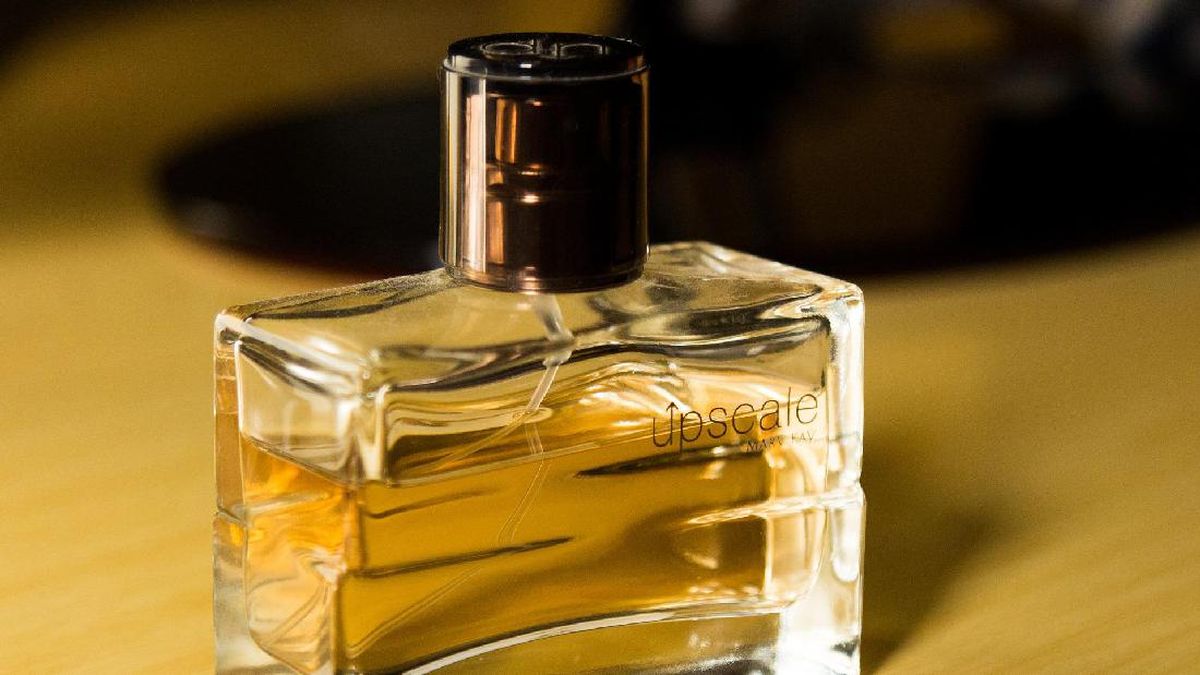
Leaving perfume to sit for weeks or months will not necessarily make it smell better. Perfume experts cited by CNN Indonesia, drawing on Marie Claire, say chemical changes can alter a fragrance over time, but perfumes are not always designed to improve with prolonged storage.
Two terms often used interchangeably describe different stages. Maceration involves mixing fragrance ingredients with perfumer's alcohol and allowing the components to blend before the product is packaged and sold. A similar process can also occur when perfume oil, alcohol and water are mixed at the time of purchase; customers are sometimes advised to wait about two weeks before using the blend.
British perfume expert Aamna Lone, who has a background in chemistry, said allowing a formula to rest gives further chemical reactions time to take place. This can help the scent become more cohesive and soften the sharp impression of alcohol when the perfume is first sprayed.
Maturation refers instead to changes in fragrance after a product has been made and kept in its bottle for months or years. Amber, woody and resinous scents generally withstand aging better, while fragrances dominated by vanilla can develop a deeper character over time.
But oxidation, a reaction between a compound and oxygen, can also change a perfume's character. Fresh citrus, fruit and aromatic notes may fade or take on a more spicy character. A noticeable color change or a new metallic or vinegar-like smell can signal deterioration. Perfume showing those signs should not be used, according to the report, because damaged fragrance can cause skin irritation, including rashes and contact dermatitis.