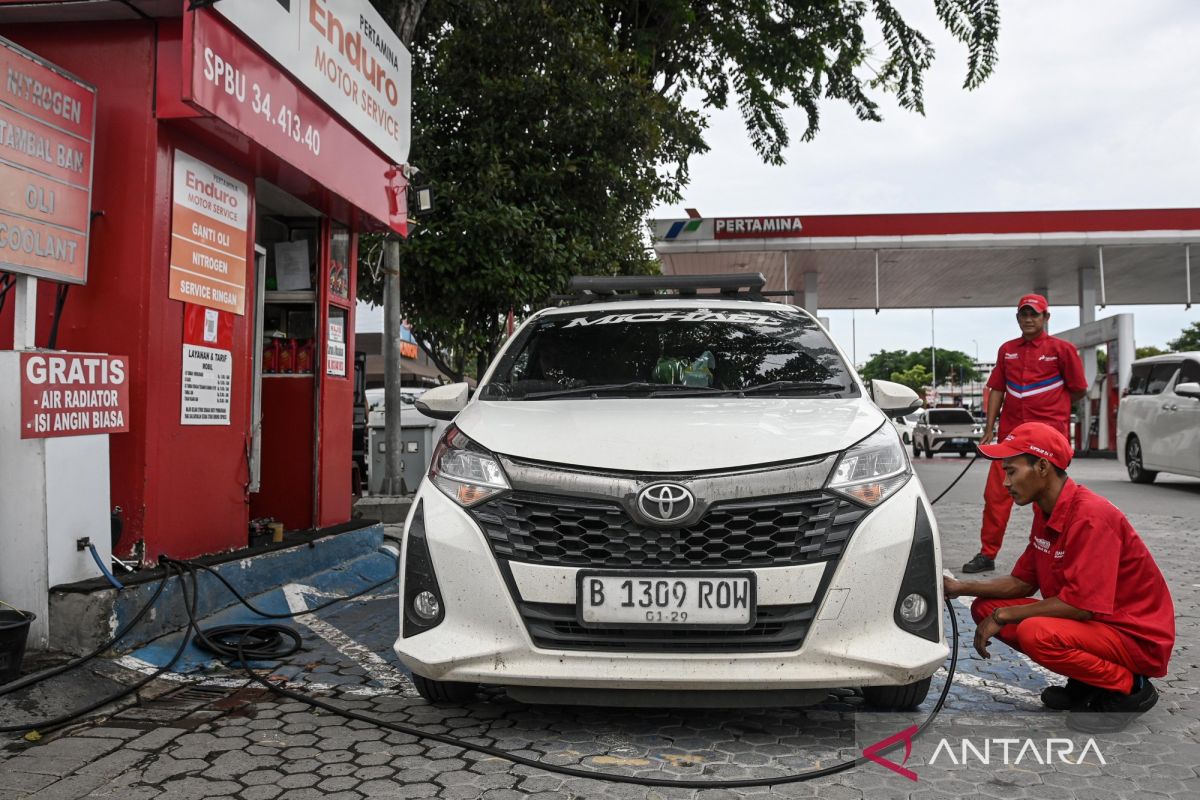
Low tire pressure is not always obvious from a tire’s appearance. Drivers may notice a change in how their car feels or a dashboard warning before spotting visible deflation. Underinflation can reduce comfort, increase fuel consumption and compromise safety. According to Michelin, it accelerates wear, increases rolling resistance and generates excess heat, raising the risk of tire damage.
The first two signs are a flatter appearance where the tire meets the road and heavier steering during turns or maneuvers. Small pressure losses can be difficult to see, so visual inspections should be accompanied by measurements using a tire pressure gauge. Heavy steering can also indicate problems with the steering system or other vehicle components.
A third sign is reduced stability when cornering, driving over uneven roads or changing lanes. A fourth is increased fuel consumption despite similar mileage and driving habits, as greater rolling resistance requires more engine effort. If handling becomes unstable, gradually reduce speed and inspect the vehicle somewhere safe before attempting a long journey.
The fifth and sixth signs are faster wear along the tire shoulders and excessive heat after driving. Uneven wear can also result from wheel alignment, balance or suspension problems. Underinflated tires deform more as they rotate, generating additional heat, particularly during long journeys or at high speeds. Avoid touching hot tire surfaces directly.
The seventh sign is an illuminated Tire Pressure Monitoring System, or TPMS, warning. Not every car has this feature, and an unlit warning does not guarantee correct pressure. Check all tires, including the spare, at least monthly and before long journeys while they are cold. Follow the manufacturer’s guidance on the driver’s door sticker or in the manual. Persistent pressure loss after inflation warrants checks for leaks in the tire, valve or rim.