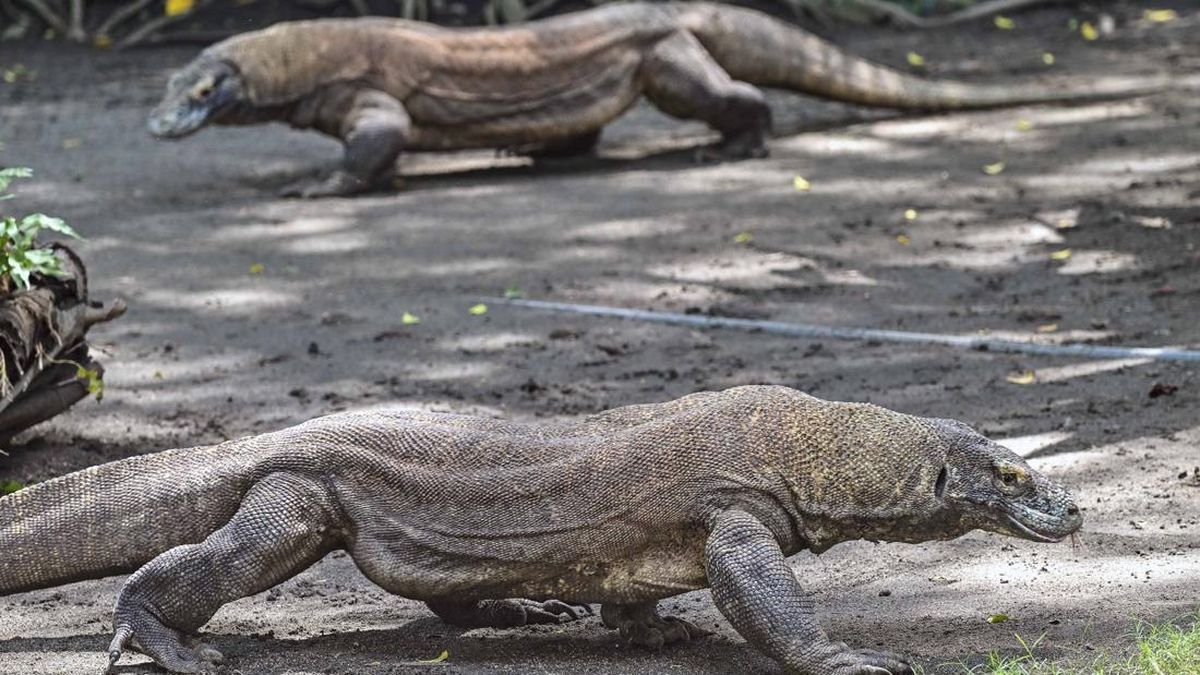
SHIZUOKAA pair of Komodo dragons from Surabaya Zoo (KBS), named Ariru and Aichan, have become a headline attraction at the iZoo reptile park in Kawazu, Shizuoka Prefecture, Japan. First unveiled to visitors on Oct. 31, 2026, the arrival of Indonesia's iconic endemic reptiles caps an 11-year negotiation process led by iZoo director Tsuyoshi Shirawa with Indonesian authorities.
How big are Ariru and Aichan, and how did Japanese visitors react?
Queues formed outside iZoo before opening hours on debut day as visitors arrived on the earliest morning trains to see the world's largest lizards in person. According to Shizuoka television reports aired via FNN, guests marveled at the size of 12-year-old male Ariru, measuring 2.84 meters and weighing 86.4 kilograms, alongside 12-year-old female Aichan at 2.37 meters and 48.6 kilograms.
The transfer operates under a five-year animal breeding loan aligned with CITES wildlife rules and Indonesia's Green Diplomacy initiative. It builds on a conservation memorandum signed on March 28, 2026 by Indonesian Forestry Minister Raja Juli Antoni and Shizuoka Governor Yasutomo Suzuki, followed by an institutional agreement between Surabaya Zoo and iZoo on April 29, 2026.
Who retains legal ownership of the Komodo dragons and any offspring?
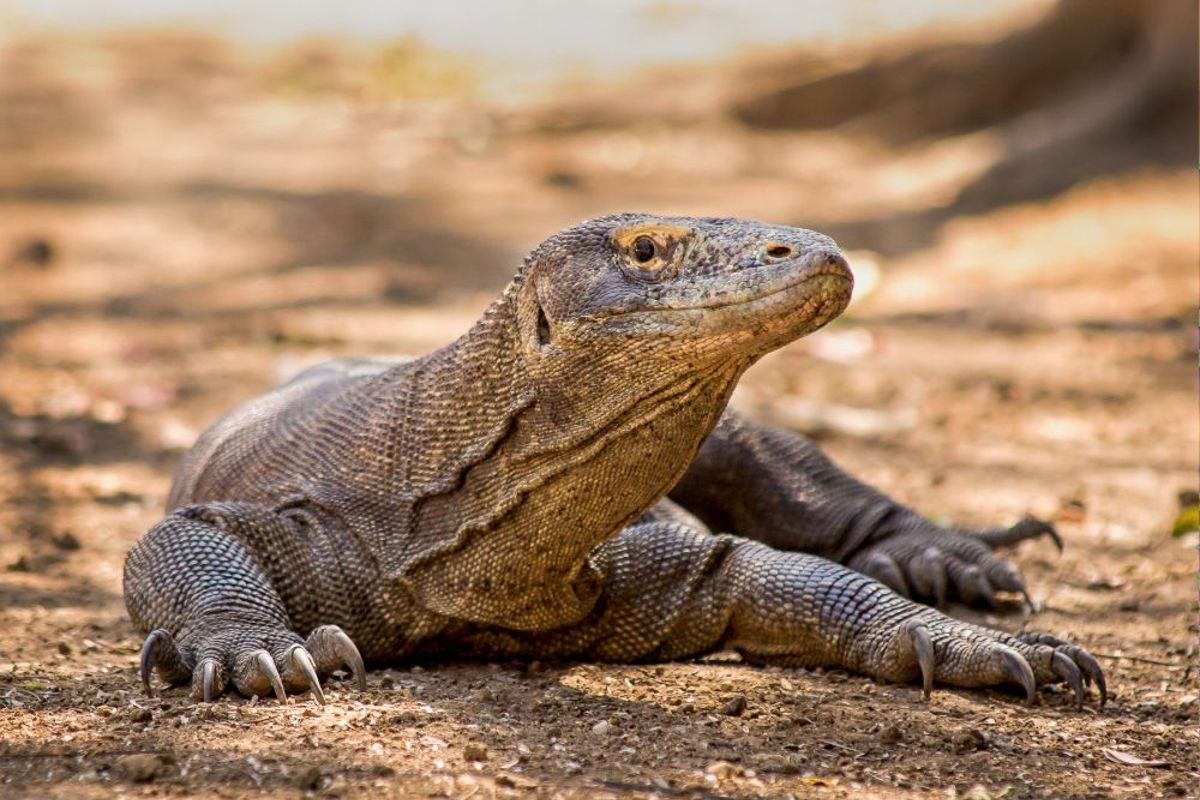
Under the agreement, Indonesia retains full legal ownership of both dragons as well as any offspring hatched during the five-year stay, since the animals were loaned rather than sold. In return, iZoo will supply Surabaya Zoo with species including red pandas, giraffes, Japanese macaques, and Aldabra giant tortoises to enrich educational collections in East Java.
Preparations at iZoo spanned nearly a decade and included a 20-billion-yen enclosure engineered to mirror Indonesia's natural Komodo habitat. Keepers plan to pair Ariru and Aichan together during the spring 2027 breeding window, aiming for egg-laying by September 2027 under regular joint veterinary monitoring with Surabaya Zoo.

Conservation Benefits and Animal Exchange for Surabaya Zoo
For Indonesia, the ex-situ conservation partnership safeguards genetic diversity for an endangered endemic species while raising global awareness of Indonesian wildlife tourism. Technical exchanges on reptile breeding and animal welfare also bring new expertise and international collections back to Surabaya Zoo.