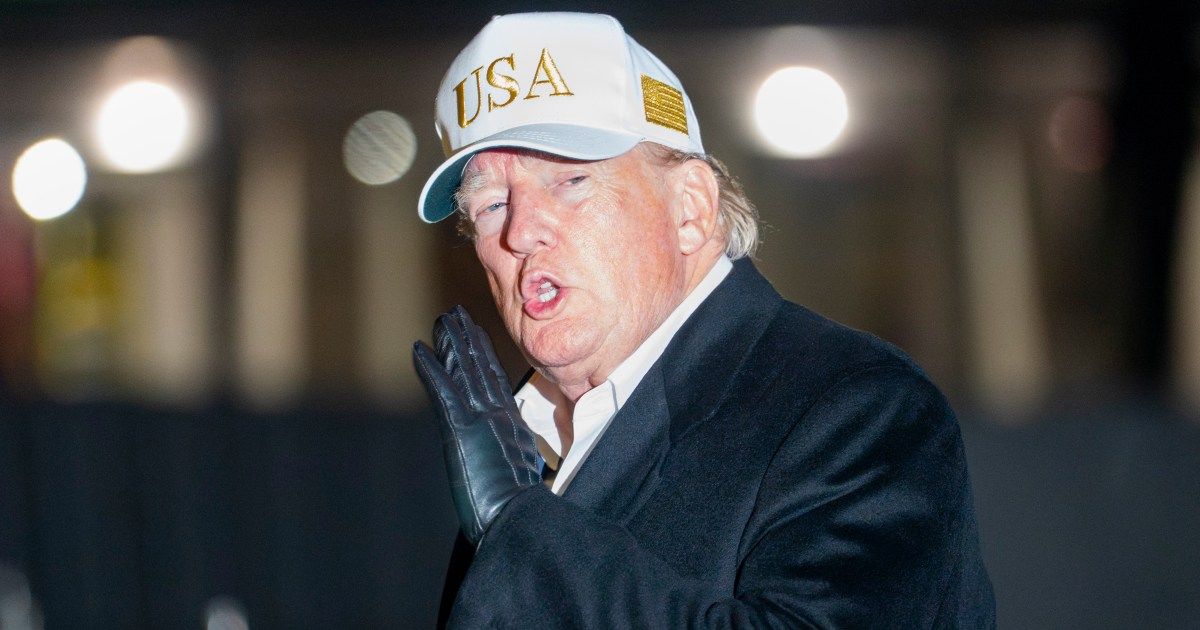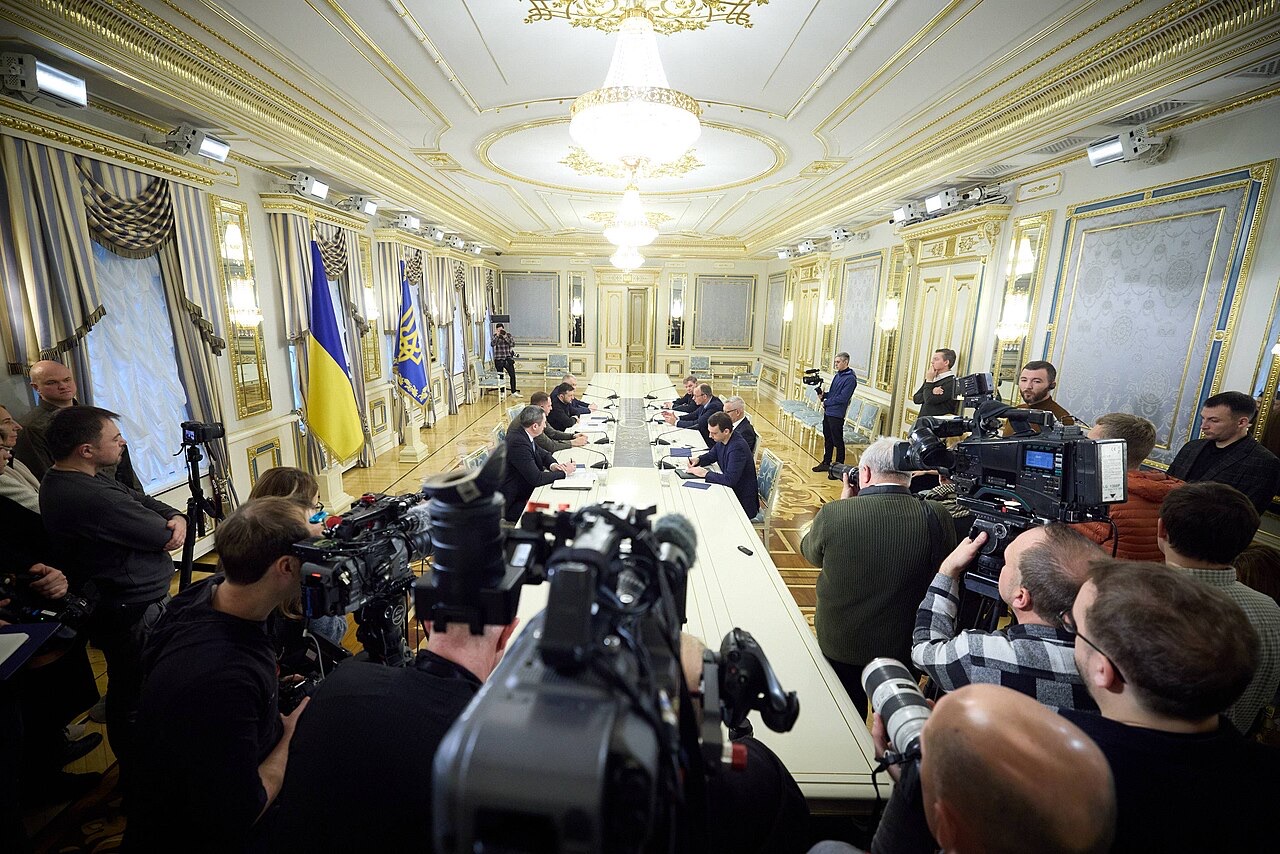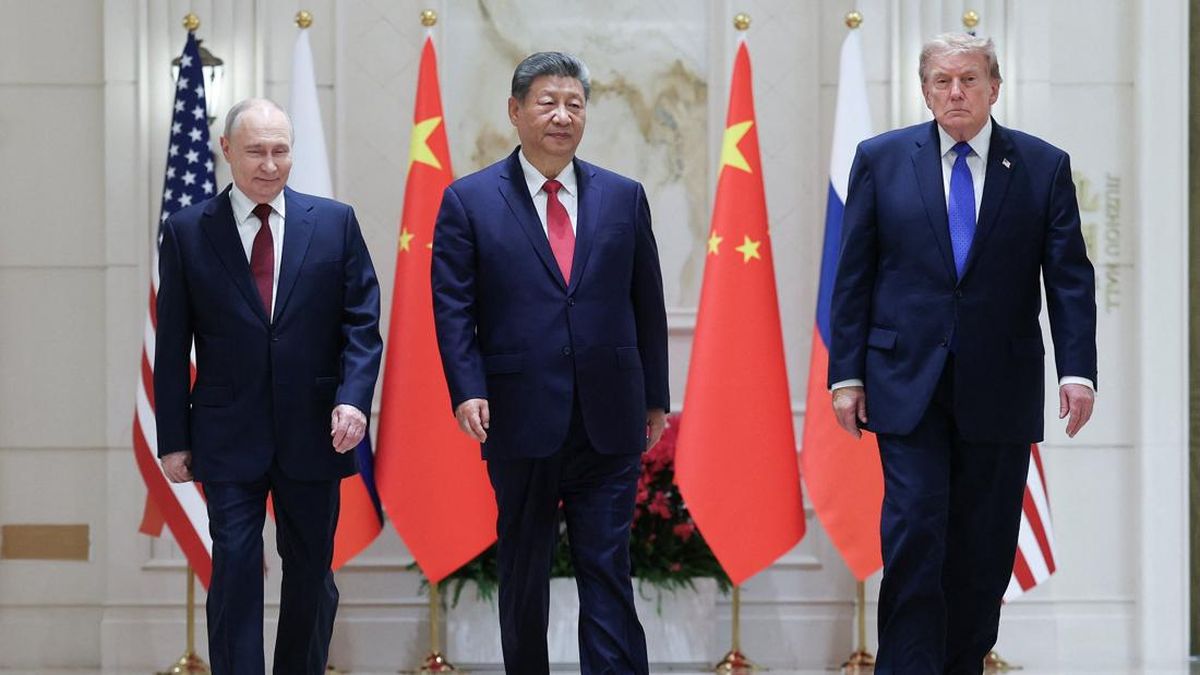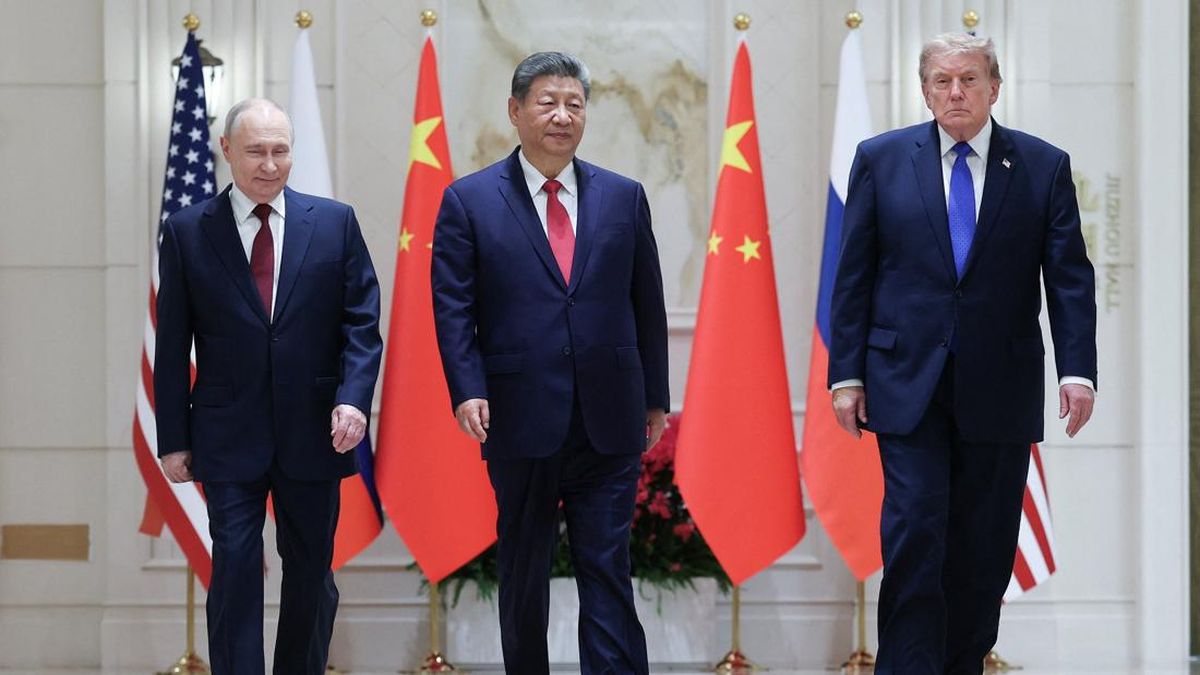
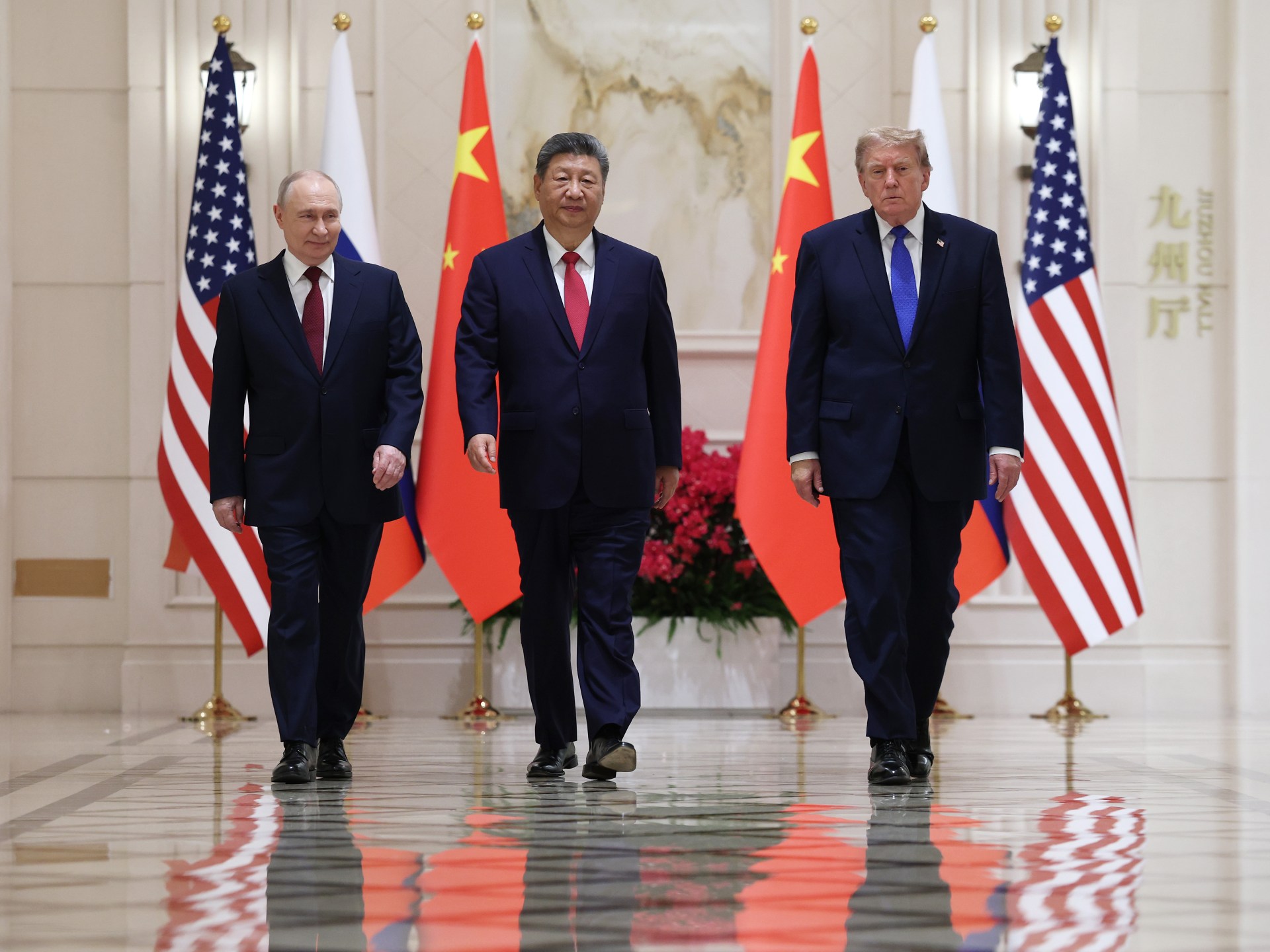
SHENZHENUnited States President Donald Trump, Russian President Vladimir Putin, and Chinese President Xi Jinping released a joint peace declaration on Thursday, November 19, 2026, after holding an unprecedented trilateral summit on the sidelines of the 33rd Asia-Pacific Economic Cooperation (APEC) gathering in Shenzhen, China. Chaired by Xi Jinping and lasting more than an hour, the talks brought together the leaders of the world's three largest nuclear arsenals as Russia's war in Ukraine continues to weigh on global markets.
What did Trump, Putin, and Xi agree to in their APEC declaration?
The declaration commits the three permanent members of the United Nations Security Council to reform the UN, expand production and supply of refined petroleum products to stabilize global energy flows, and prevent nuclear weapons proliferation. According to the joint text released by Russian state media, all three heads of state reaffirmed that a nuclear war cannot be won and must never be fought, pledging structured dialogue to reduce strategic nuclear risks.
What happened during the Trump-Putin bilateral talks on Ukraine?
Prior to the three-way session, Trump and Putin conducted a direct bilateral meeting focused on the Ukraine war and bilateral ties between Washington and Moscow. Kremlin presidential aide Yuri Ushakov told Russian news agency TASS that the conversation was candid, informative, and mutually beneficial, noting that Putin left the bilateral talks in high spirits following an equally productive session with President Xi earlier in the day.
Why did the three leaders criticize the International Criminal Court?
The Shenzhen declaration also underscored state consent and sovereign immunity for sitting government officials, explicitly warning that the International Criminal Court (ICC) and similar bodies must not abuse their authority. That provision directly reflects Moscow's pushback against the arrest warrant issued by the ICC for Putin on March 17, 2023, over alleged unlawful deportation of Ukrainian children following Russia's 2022 invasion.

In his opening remarks at the summit, Trump declared that the three nations were making history and argued that lasting peace is never achieved by refusing dialogue with rival leaders. Xi urged the powers to abandon a Cold War mentality in favor of cooperative stability, a position echoed by Putin as the three leaders framed their joint pledge as a mechanism to ease international security crises.
Why it matters for Indonesia: the joint pledge by the US, China, and Russia at APEC Shenzhen to boost refined petroleum supply and pursue dialogue over the Ukraine war directly supports energy and food price stability for Indonesia. Easing geopolitical risk across Asia-Pacific trade lanes helps shield Jakarta's APBN fuel (BBM) subsidy budget, steadies the Rupiah exchange rate against external shocks, and reinforces supply chains for Indonesian fertilizer and commodity imports.