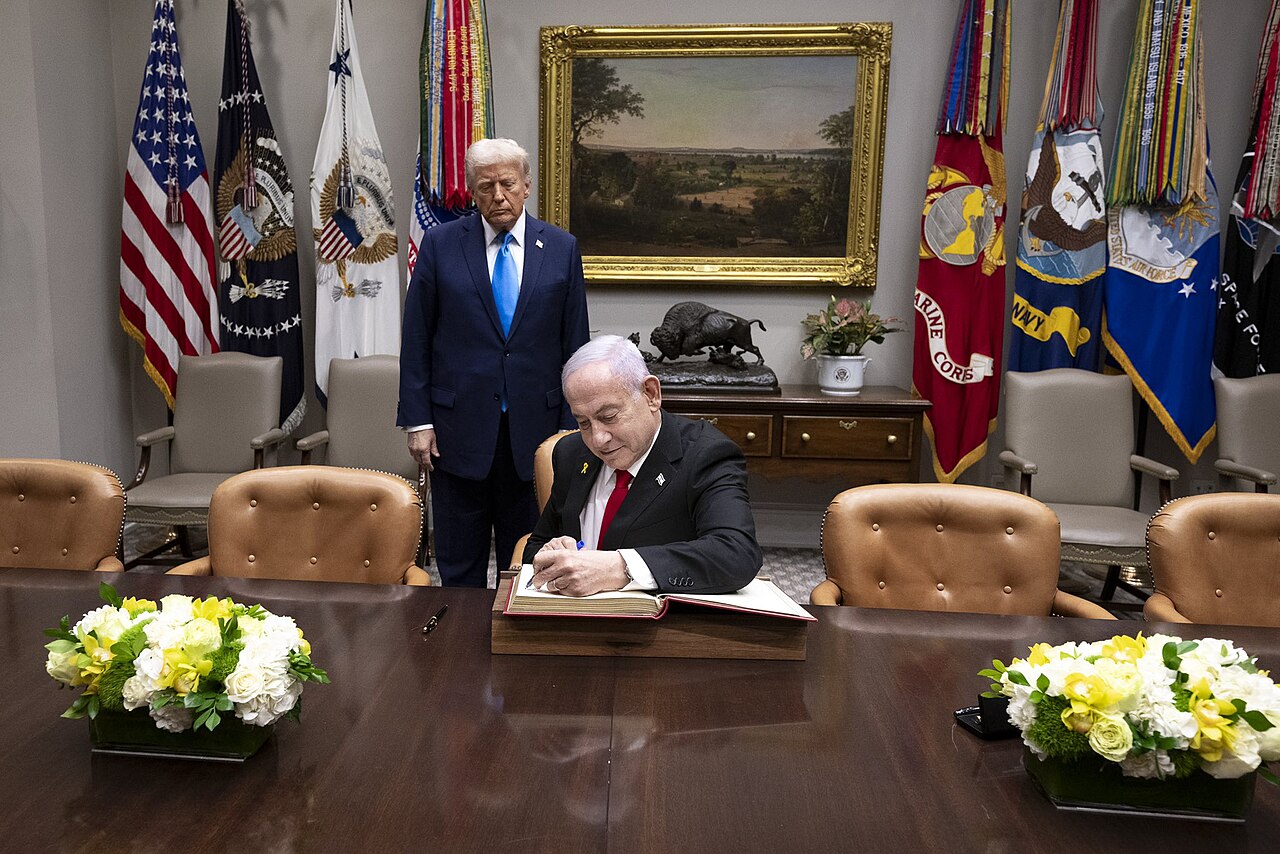
WASHINGTONUnited States President Donald Trump has warned Washington could resume military strikes against Iran after the New Year if indirect diplomatic talks fail to yield an agreement. Speaking to Fox News, Trump dismissed Tehran's negotiators for stalling without progress and cautioned that US naval forces would open fire on and sink any Iranian ships attempting to run Washington's blockade of Iranian ports.
Why did Brent crude dip to $92.29 despite Strait of Hormuz risks?
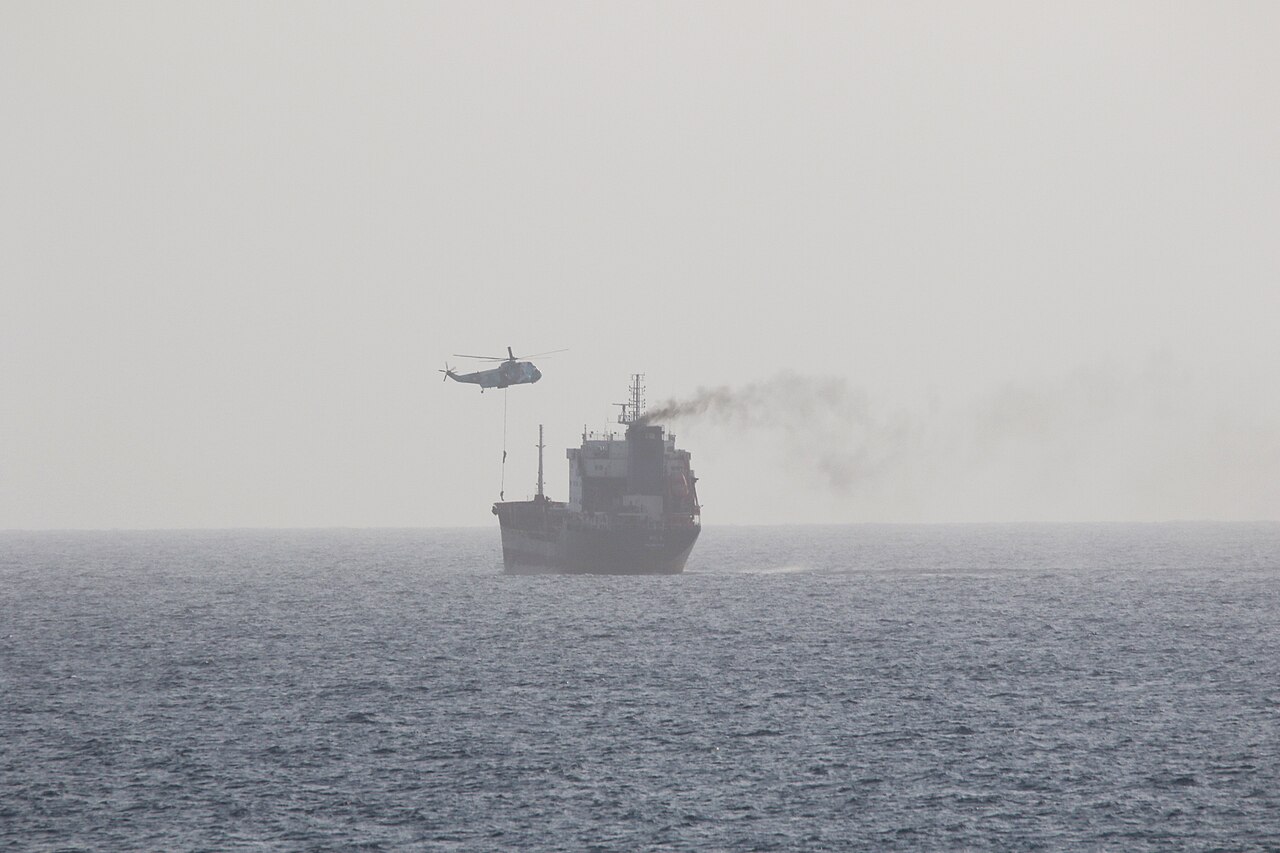
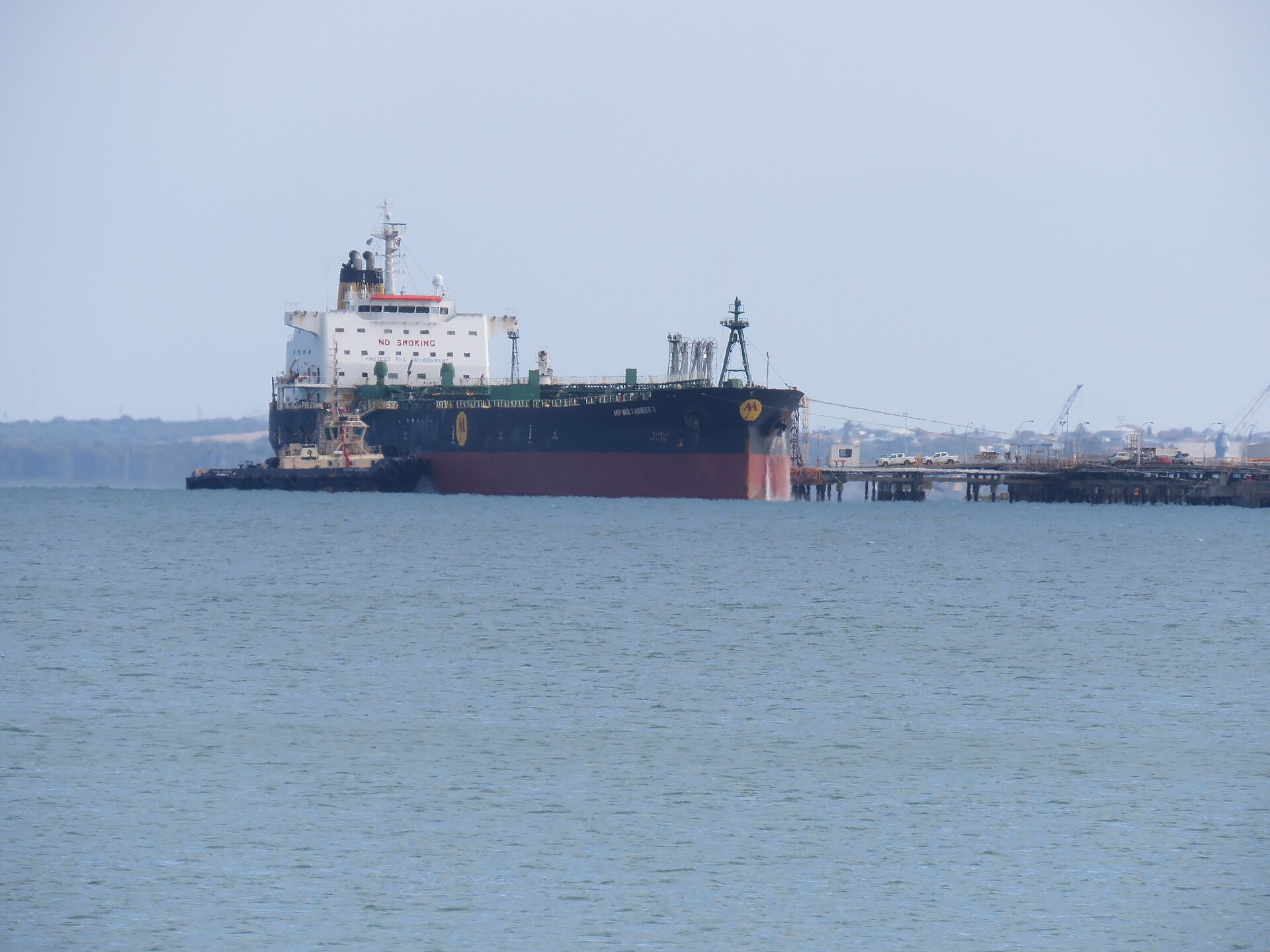
Even as fresh attacks hit commercial tankers near the Strait of Hormuz and targeted American personnel in Bahrain, global crude futures dipped modestly on Monday morning, November 23, 2026. According to Reuters data at 09:16 WIB, benchmark Brent fell 28 cents, or 0.30 percent, to US$92.29 per barrel while US West Texas Intermediate (WTI) eased 15 cents, or 0.18 percent, to US$83.26 per barrel.
The third consecutive weekly slide reflects broader global equity sell-offs linked to artificial intelligence market jitters after steep Nasdaq losses spilled into Asian trading across South Korea, China, Hong Kong, and Australia. Still, XAnalysts chief oil analyst Mukesh Sahdev noted that renewed shipping strikes in the Persian Gulf and Sunday's Houthi claim against a Saudi oil refinery prevented deeper crude price declines.
How much is Indonesia spending to hold Pertalite and Biosolar prices?
In Jakarta, Indonesia has kept subsidized pump prices frozen despite nearly eight months of Middle East conflict that briefly pushed crude past US$115 per barrel in late October before easing around 20 percent to US$93.14 on November 17. Coordinating Economy Minister Airlangga Hartarto emphasized that the state budget acts as a shock absorber holding Pertalite at Rp10,000 per liter and Biosolar at Rp6,800, far below Finance Ministry economic benchmarks of Rp18,102 and Rp21,457.

Because Indonesia's 2026 state budget (APBN) assumed an Indonesian Crude Price of only US$70 per barrel, actual energy subsidy and compensation disbursements hit Rp415.8 trillion by October 31—93 percent of the initial budget and up 32 percent year-on-year. To prevent supply disruptions, the government moved to expand total 2026 energy subsidy and compensation allocations from Rp338 trillion to Rp500 trillion.
What do the World Bank and INDEF warn about Indonesia's subsidy burden?
The World Bank warned in its June 2026 Indonesia Economic Prospects report that volatile energy subsidies representing 1.6 percent of GDP could erode fiscal buffers if another conflict spiral drives Brent toward US$120 per barrel. Both the World Bank and think tank INDEF further noted mistargeting risks, finding that higher-spending households in deciles 5 to 10 consume 63.1 percent of subsidized Pertalite compared with 36.9 percent for the poorest four deciles.