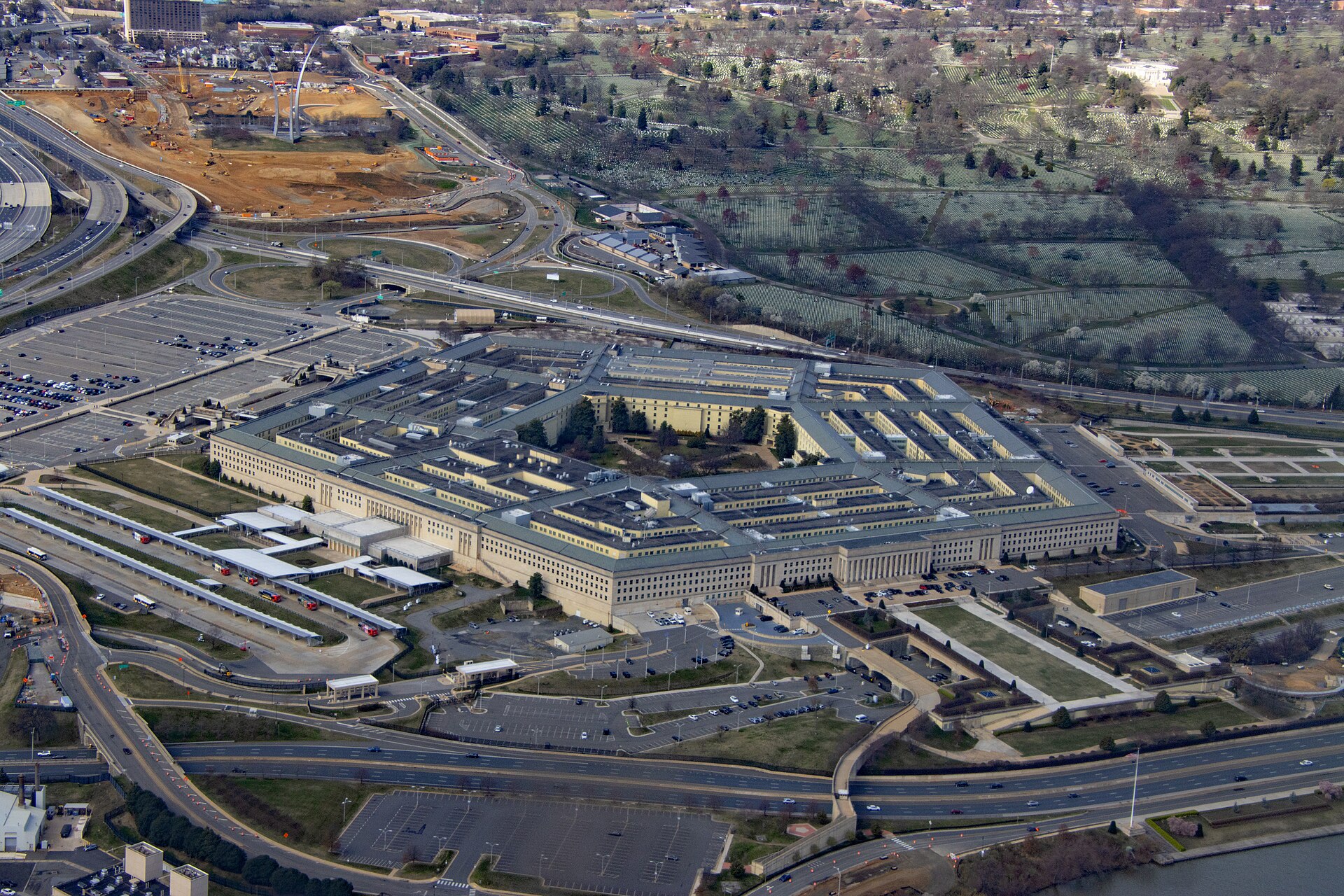
WASHINGTONPentagon budget nominee Arthur F.D. Miller testified before the US Senate Armed Services Committee on November 19, 2026, that direct American military outlays in the war against Iran reached US$48.3 billion as of November 13. Launched through joint US and Israeli strikes on February 28, 2026, the prolonged conflict continues to drive up Washington's defense spending and rattle financial markets across the Persian Gulf.
Why have US war expenses against Iran surged past July estimates?
The US$48.3 billion tally covers munitions, equipment replacement, and operational costs, marking an increase of US$10.8 billion—nearly 29 percent—above the US$37.5 billion figure Defense Secretary Pete Hegseth gave Congress in July 2026 across a different accounting period. Miller's testimony, reported by AFP and Republika, highlighted that Washington has yet to calculate total repair expenses for US regional bases struck by Iranian missiles and drones.
At the same time, Israeli Defense Forces (IDF) intelligence officials cautioned Prime Minister Benjamin Netanyahu during a closed-door briefing last week that a proposed three-to-five-day operation targeting Iran could ignite a multi-front war. Israeli broadcasters Channel 12 and KAN reported the draft plan had been discussed with Mossad chief Roman Goffman outside standard military channels, prompting opposition figure Avigdor Liberman to slam the push as politically motivated.
How are Red Sea strikes and missile interceptions hitting Gulf markets?
Regional spillover widened on Sunday, November 22, 2026, when Saudi-led forces intercepted missiles aimed at western Saudi Arabia while Yemen's Iran-aligned Houthi movement claimed a strike on the Red Sea oil refinery in Rabigh. Although damage at the refinery could not be independently verified, Reuters reported that Saudi equities tumbled roughly 2 percent and Qatar's benchmark stock index fell around 1.6 percent.

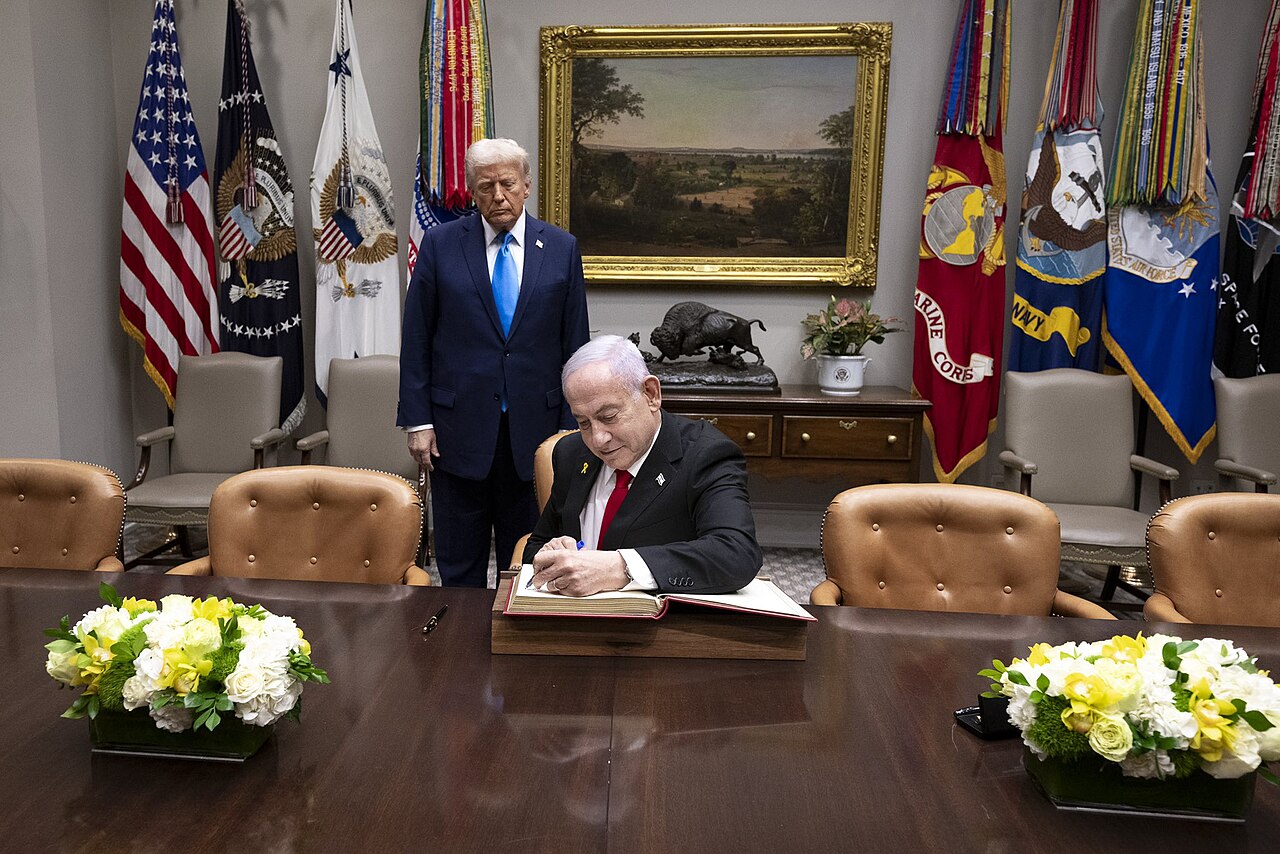
According to KAN, Netanyahu has urged US President Donald Trump to authorize fresh strikes against Iran after earlier February bombings killed Supreme Leader Ayatollah Ali Khamenei and senior commanders. Yet aides inside the White House reportedly remain reluctant to restart direct bombardment, favoring additional time for sweeping economic sanctions to take effect inside Iran.
What does Middle East instability mean for Indonesian fuel prices today?
For Indonesia, Gulf energy security risks coincide with major downstream retail consolidation following the recent exits of Shell Indonesia in late October, BP Indonesia in early November, and PT Vivo Energi Indonesia's mid-November sale to PT Aneka Petroindo Raya (APR) under the BP-AKR banner. CNBC Indonesia checks on November 23, 2026, confirmed domestic pump prices held flat, with subsidized Pertalite at Rp10,000 per liter, Solar at Rp6,800, Pertamax at Rp15,950, Pertamax Turbo at Rp19,600, BP 92 at Rp16,130, and Shell V-Power Nitro+ at Rp19,600.