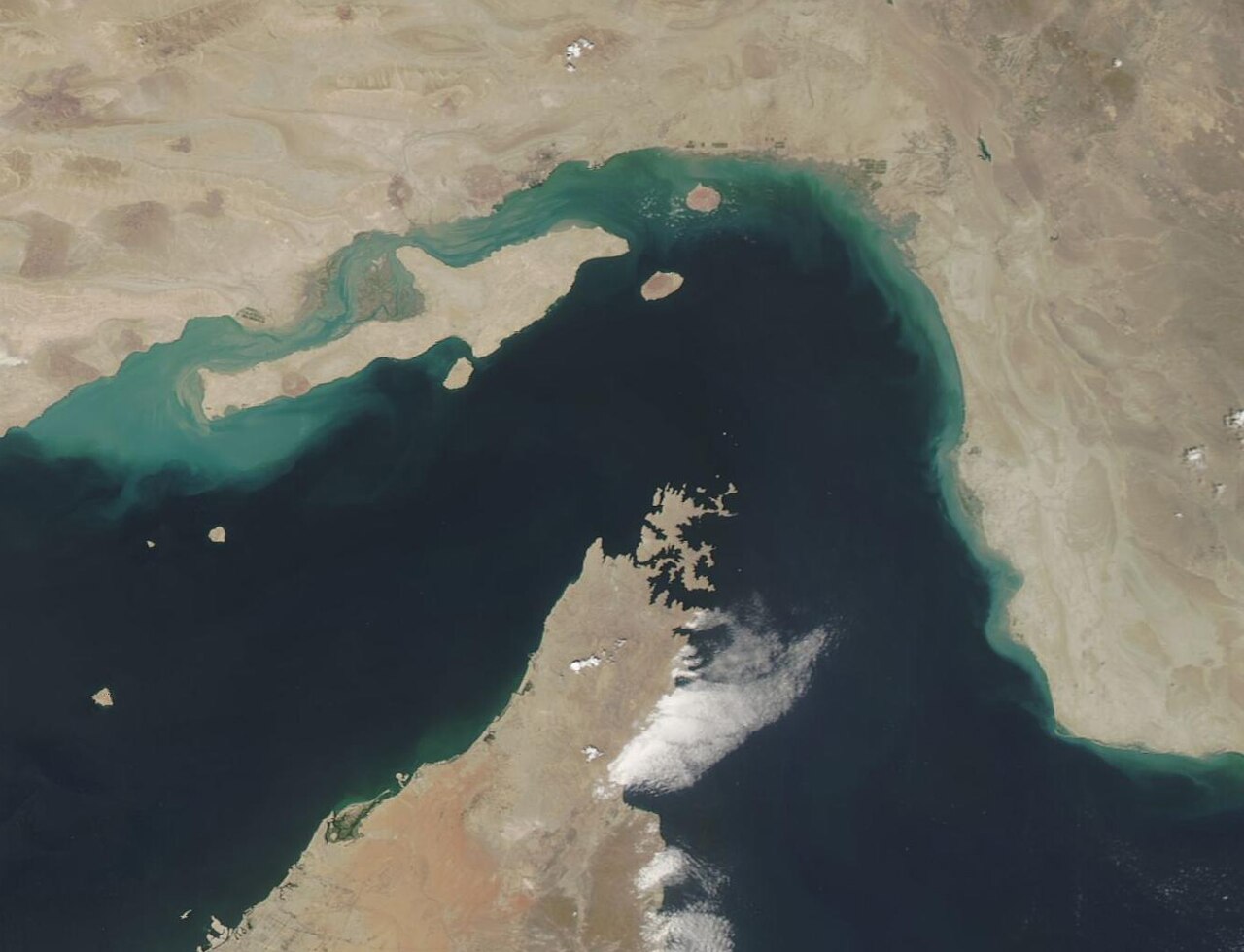
TEHRANUnited States fighter jets carried out precision airstrikes against an Islamic Revolutionary Guard Corps (IRGC) missile launch facility on Qeshm Island in southern Iran, positioned inside the strategic Strait of Hormuz. The strike along the chokepoint carrying one-fifth of global oil supplies coincided with warnings from Israeli Defense Minister Israel Katz that Israel will hold and potentially expand military security zones across Gaza, Lebanon, and Syria.
Why did US fighter jets strike Qeshm Island in Hormuz?
A US military official stated that American warplanes targeted the Qeshm Island missile site in self-defense following Iranian attacks on US personnel and regional assets. Earlier that day, the IRGC's Sepah news outlet announced that Iranian combat drones had struck a US-operated radar system at Sheikh Isa Air Base in Bahrain in retaliation for repeated violations of Iranian airspace by American military drones.
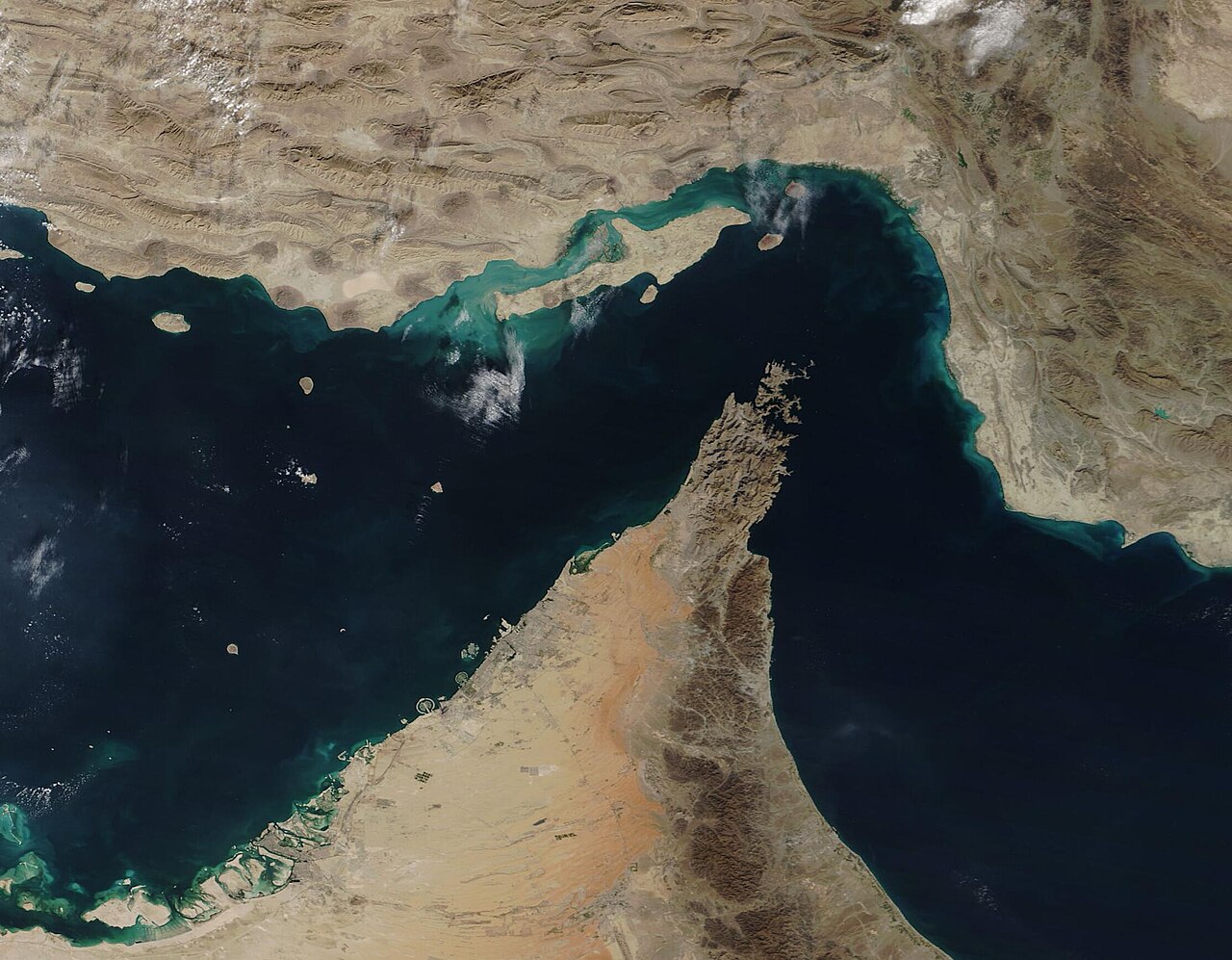
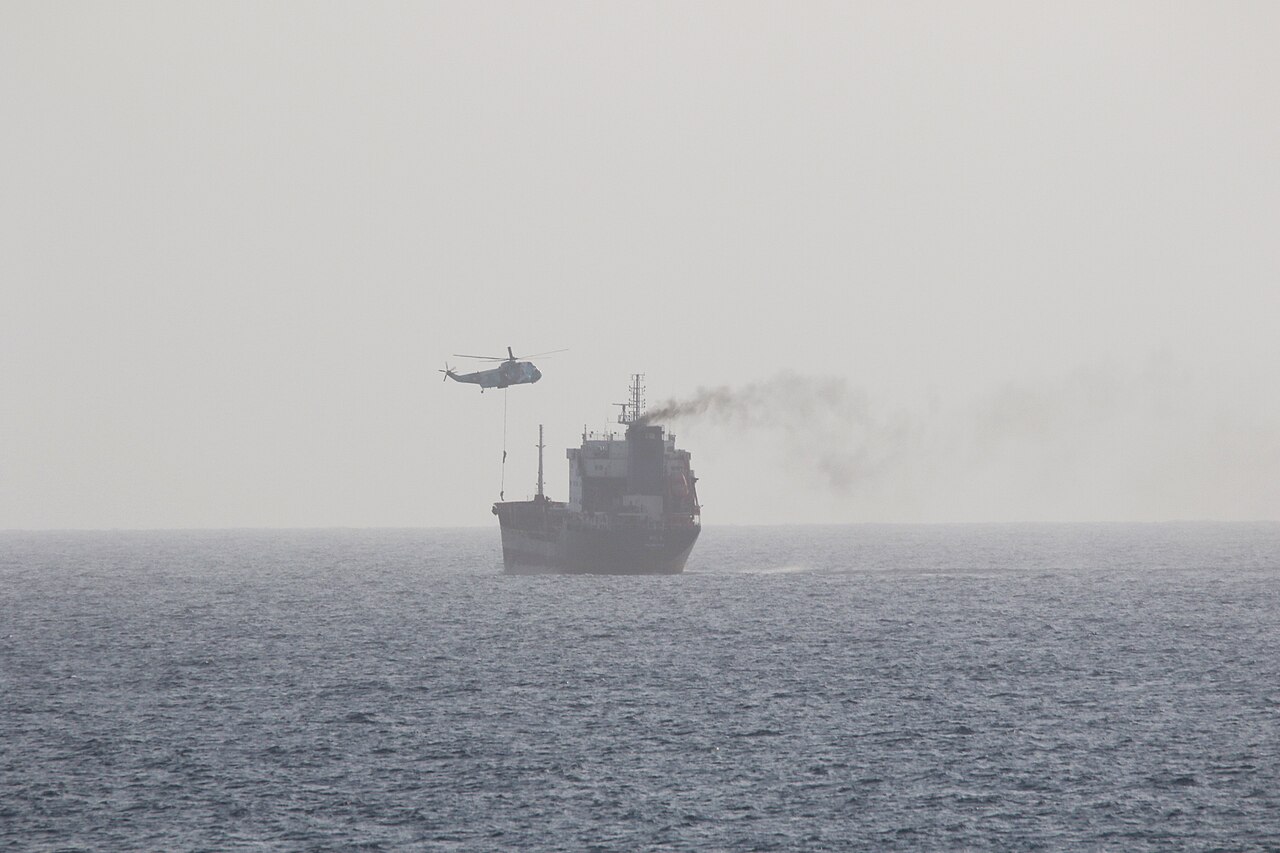
Iran's official IRNA news agency reported five to six evening explosions across Qeshm Island, though Hormozgan Deputy Governor Ahmad Nafisi denied any damage to residential or commercial infrastructure and attributed the blasts to disposal of unexploded ordnance. Maritime risks in Hormuz intensified as Iranian forces claimed three oil tankers struck naval mines, whereas US Central Command (CENTCOM) maintained it had cleared mines from main shipping lanes and escorted 1.5 billion barrels of Gulf oil exports since summer.
What did Israel Katz threaten across Gaza, Lebanon, and Syria?
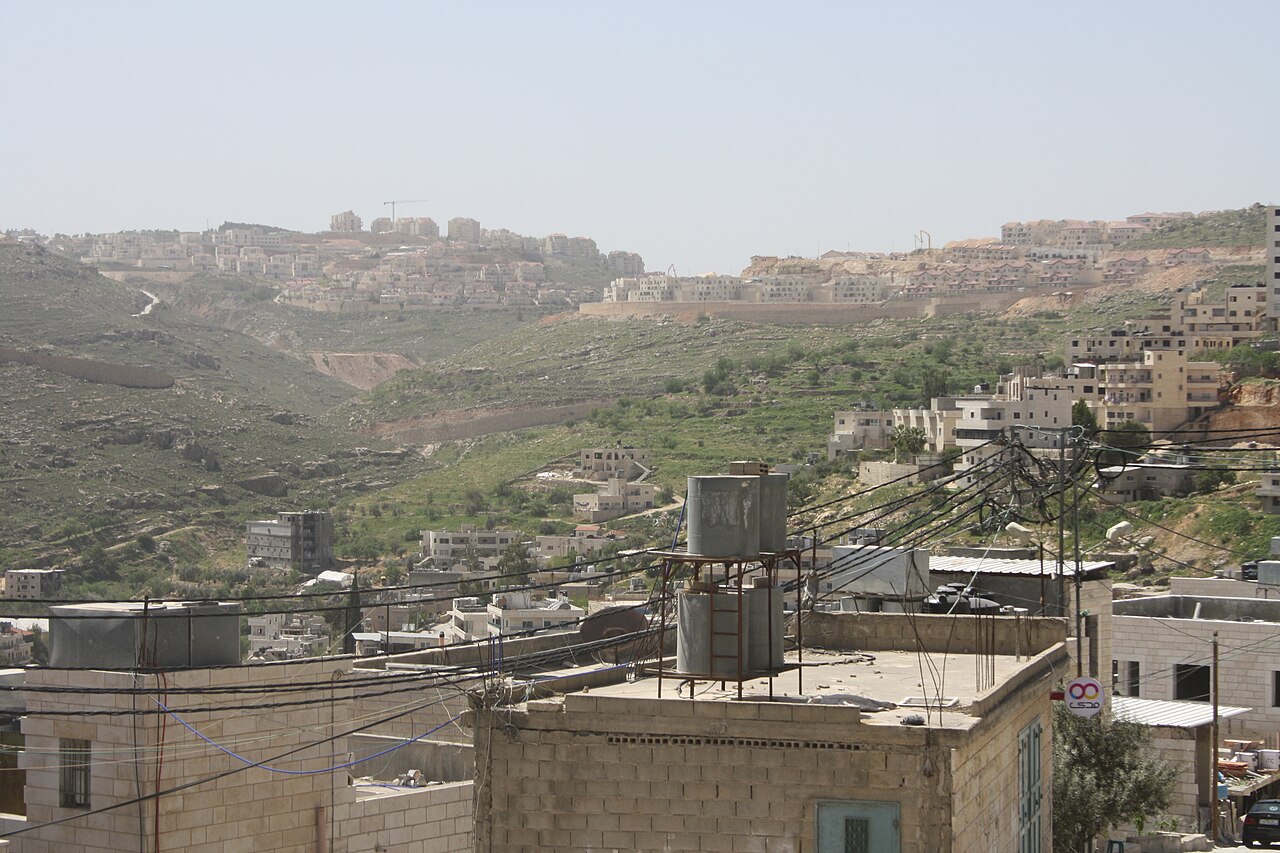
Across the Levant, Israeli Defense Minister Israel Katz declared that the Israel Defense Forces (IDF) will indefinitely retain security zones in the Gaza Strip—where Israeli troops occupy roughly 70 percent of the territory—alongside buffer zones in southern Lebanon and southern Syria. Katz warned that if multi-front fighting escalates amid renewed conflict with Iran, Israel is ready to seize additional territory as far north as Nabatiya in Lebanon, displace local residents, and incorporate those areas into a permanent security perimeter.

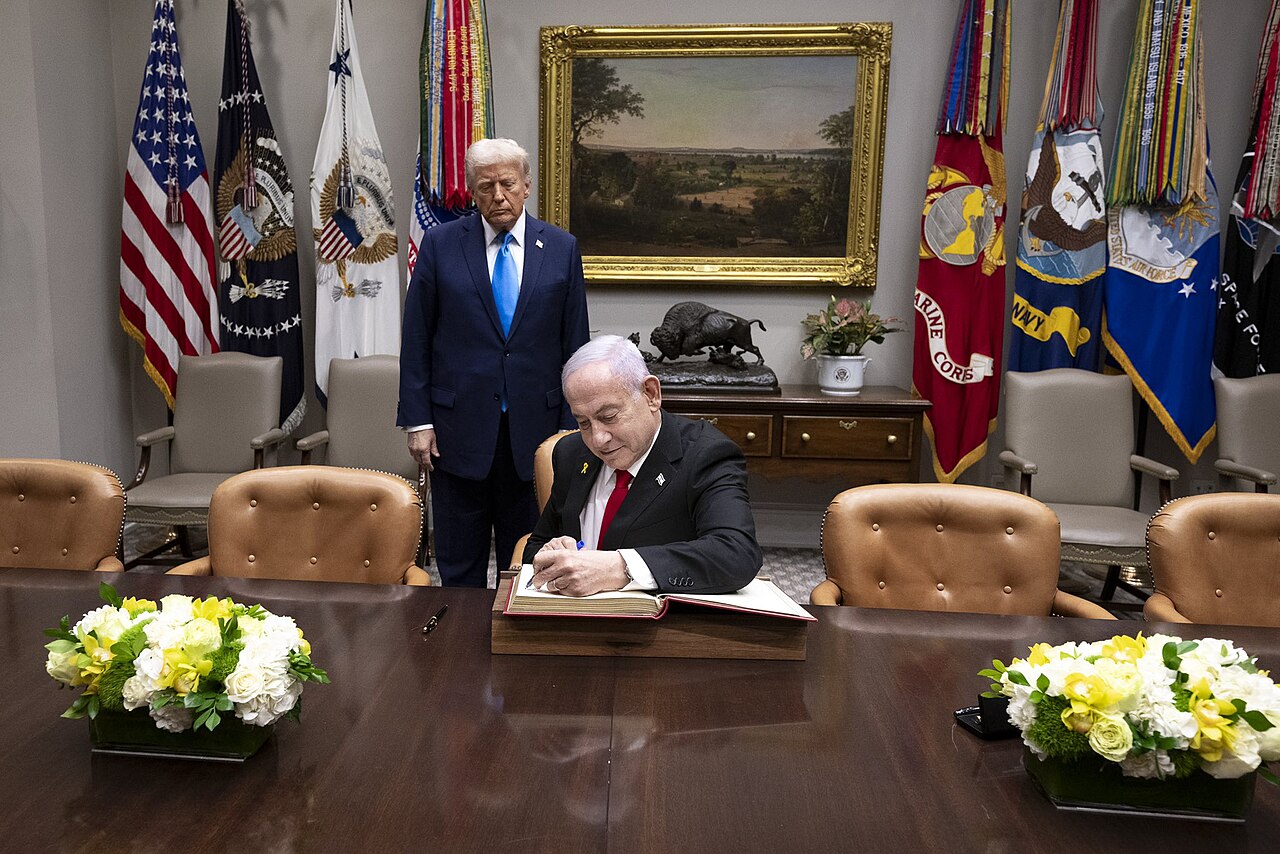
Katz's refusal to withdraw comes amid pressure at the UN Security Council over delays in fulfilling the October 2025 Gaza ceasefire and French steps to deploy peacekeepers to southern Lebanon. Inside Israel, opposition bloc leader Gadi Eisenkot warned that caretaker Prime Minister Benjamin Netanyahu—on trial for corruption and subject to a 2024 International Criminal Court warrant—is pushing for renewed war with Iran to impose a state of emergency.
Impact on Indonesia's fuel subsidy, Rupiah, and peacekeepers
For Indonesia, direct US strikes on Qeshm Island and mine incidents involving three tankers in Hormuz carry immediate economic and security stakes by keeping Brent crude near $92 per barrel, raising Pertamina's import and shipping insurance costs while straining the Rupiah and state fuel subsidies. Previously, AIGOS News reported that roughly 25 tankers had been attacked in Hormuz alongside Iran's staging of 14 tankers at Kharg Island, while Israel's threatened push in southern Lebanon heightens vigilance for Indonesian citizens and TNI peacekeepers in Lebanon.