JAKARTAA new Global Anti-Scam Alliance (GASA) study, State of Scams in Indonesia 2026, estimates that Indonesian adults lost Rp104.3 trillion to digital fraud over the past year. Analysts calculated the national figure by projecting an average loss of Rp4.89 million per victim across an estimated 21.3 million affected adults across Southeast Asia's largest digital economy.
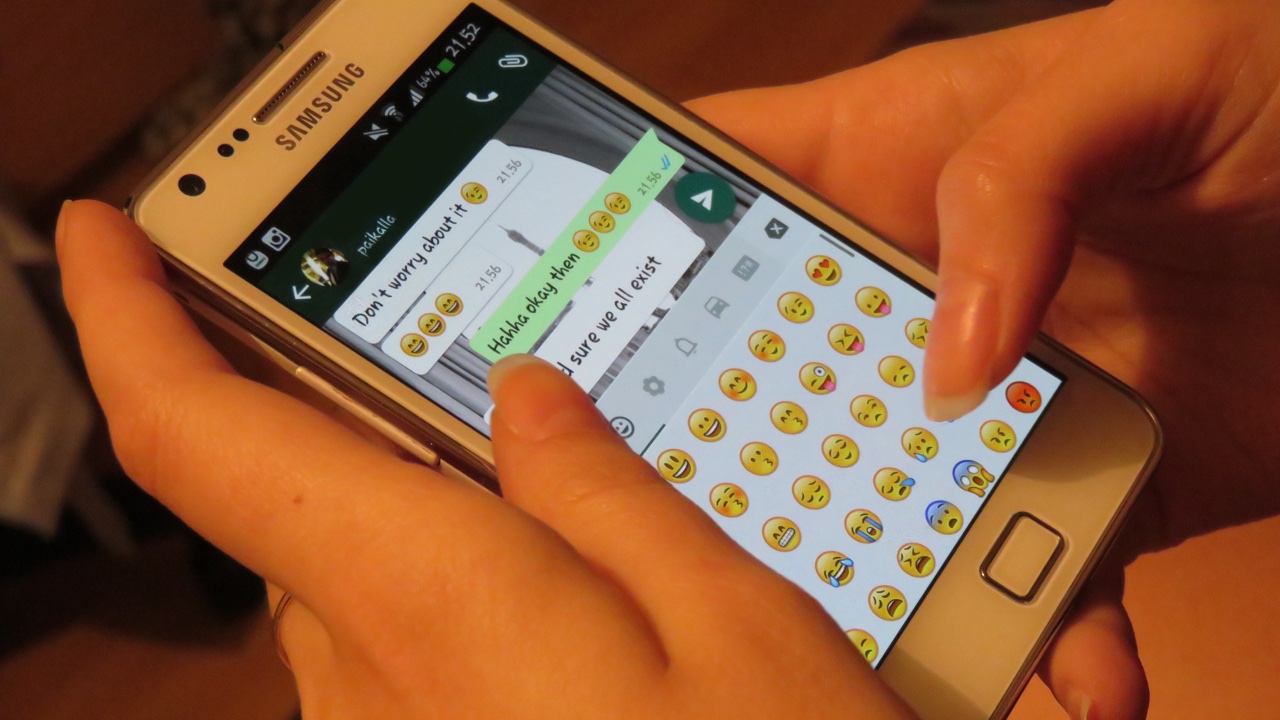
Based on an online survey of 1,160 respondents aged 18 and older conducted between March 16 and April 13, 2026, 70 percent of Indonesian adults encountered a scam attempt in the past 12 months, up from 66 percent in 2025. Citizens faced an average of 63 attempts annually, with WhatsApp serving as the primary vector in 73 percent of cases, ahead of Facebook at 32 percent, Telegram at 28 percent, Gmail at 26 percent, and Instagram at 15 percent.
Why do messaging-app scams succeed so often in Indonesia?
Scams on WhatsApp and everyday messaging apps succeed largely because criminals exploit the trust users place in familiar personal communication channels to craft convincing interactions and fake prize or investment offers. GASA found that 35 percent of respondents engaged with scammers, and 42 percent of those who interacted—or 10 percent overall—ultimately lost money or personal data.
Speaking at the report launch in Jakarta on Tuesday (Nov. 17, 2026), GASA Asia-Pacific Director Brian D. Hanley noted that 47 percent of victims were defrauded more than once within a single year, averaging 1.9 incidents each. Hanley cited one entrepreneur who lost Rp250 million in a WhatsApp crypto investment scheme estimated to have collected over Rp1 trillion after initially letting targets withdraw a 20 percent return.

How are Indonesian regulators responding to digital fraud?
Indonesia's Financial Services Authority (OJK) and central bank Bank Indonesia are accelerating cross-agency account freezes through the Indonesia Anti-Scam Center (IASC) and illegal-finance task force Satgas PASTI. Official OJK data shows the IASC has blocked 607,210 out of 1,179,881 reported bank accounts, freezing roughly Rp724.1 billion in suspect funds and returning Rp204.3 billion to victims.
Although the IASC has logged over 700,000 complaints since opening in November 2024, Satgas PASTI Secretariat Head Hudiyanto warned that 80 percent of victims report incidents more than 12 hours after transferring funds, when money has already moved across multiple accounts. Between January and July 2026, the task force also recorded 25,875 illegal-entity complaints, led by 22,529 unlicensed online lenders.
Why Indonesia's scam surge matters beyond borders
With losses reaching Rp104.3 trillion alongside regional police crackdowns on mule accounts, the scale of social-engineering fraud threatens household finances and confidence in Indonesia's fast-growing digital payments infrastructure. Bank Indonesia Payment System Surveillance Director Diana Yumanita stressed that safeguarding the ecosystem demands tighter industry rules alongside a simple consumer habit of pausing to verify before acting when in doubt.