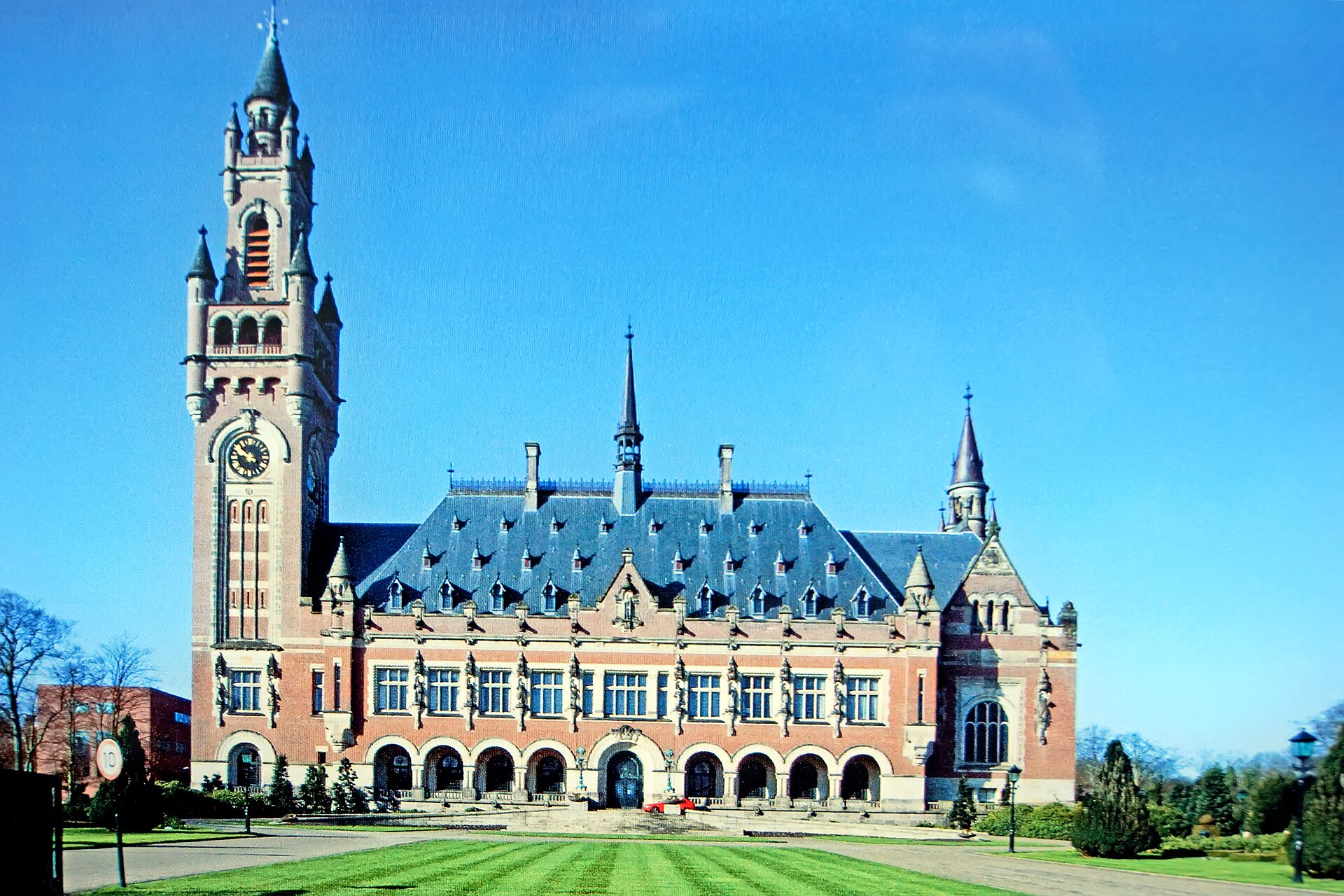
The HagueThe International Court of Justice (ICJ), the United Nations' top judicial body, is set to deliver a landmark final verdict today, November 19, 2026, in the seven-year genocide lawsuit against Myanmar over atrocities committed against the Rohingya minority. Judges at the Peace Palace in The Hague will begin reading the judgment at 10:00 local time (09:00 GMT) in a session expected to last up to 90 minutes.
Why could the ICJ verdict set a historic UN legal precedent?
The judgment could set unprecedented international legal history because no state has ever been held responsible for committing genocide by an international court since the 1948 Genocide Convention was signed. In its landmark 2007 ruling on the 1995 Srebrenica massacre of more than 8,000 Bosnian Muslim men and boys, the ICJ found that Serbia had failed to prevent genocide rather than carrying it out directly.
The Gambia filed the case in November 2019 with backing from the Organisation of Islamic Cooperation after a brutal 2017 Myanmar military offensive in Rakhine State drove at least 730,000 mostly Muslim Rohingya into neighboring Bangladesh. A 2018 UN fact-finding mission documented mass killings, rape, and village burnings as grossly disproportionate, leaving the state-level ICJ as the primary avenue because Myanmar is not a party to the International Criminal Court.
How has Myanmar defended itself against genocide allegations?
Myanmar has consistently denied allegations of genocide and ethnic cleansing, maintaining that its security forces conducted legitimate counter-insurgency operations without intent to destroy the Rohingya population. Nobel laureate Aung San Suu Kyi personally led Myanmar's initial defense in 2019 before being ousted in the 2021 military coup, after which a legal team appointed by junta chief Min Aung Hlaing took over arguments against the court's high evidentiary bar.
Lead counsel Arsalan Suleman argued that decades of institutional discrimination—including Myanmar's restrictive 1982 citizenship law and state rhetoric—establish genocidal intent behind the 2017 clearance campaign. While ICJ rulings are final with no right of appeal, the court lacks direct enforcement powers beyond referring non-compliance to the UN Security Council, even as legal observers watch potential spillover for South Africa's Gaza genocide case against Israel.

What the ruling means for 1.2 million Rohingya refugees
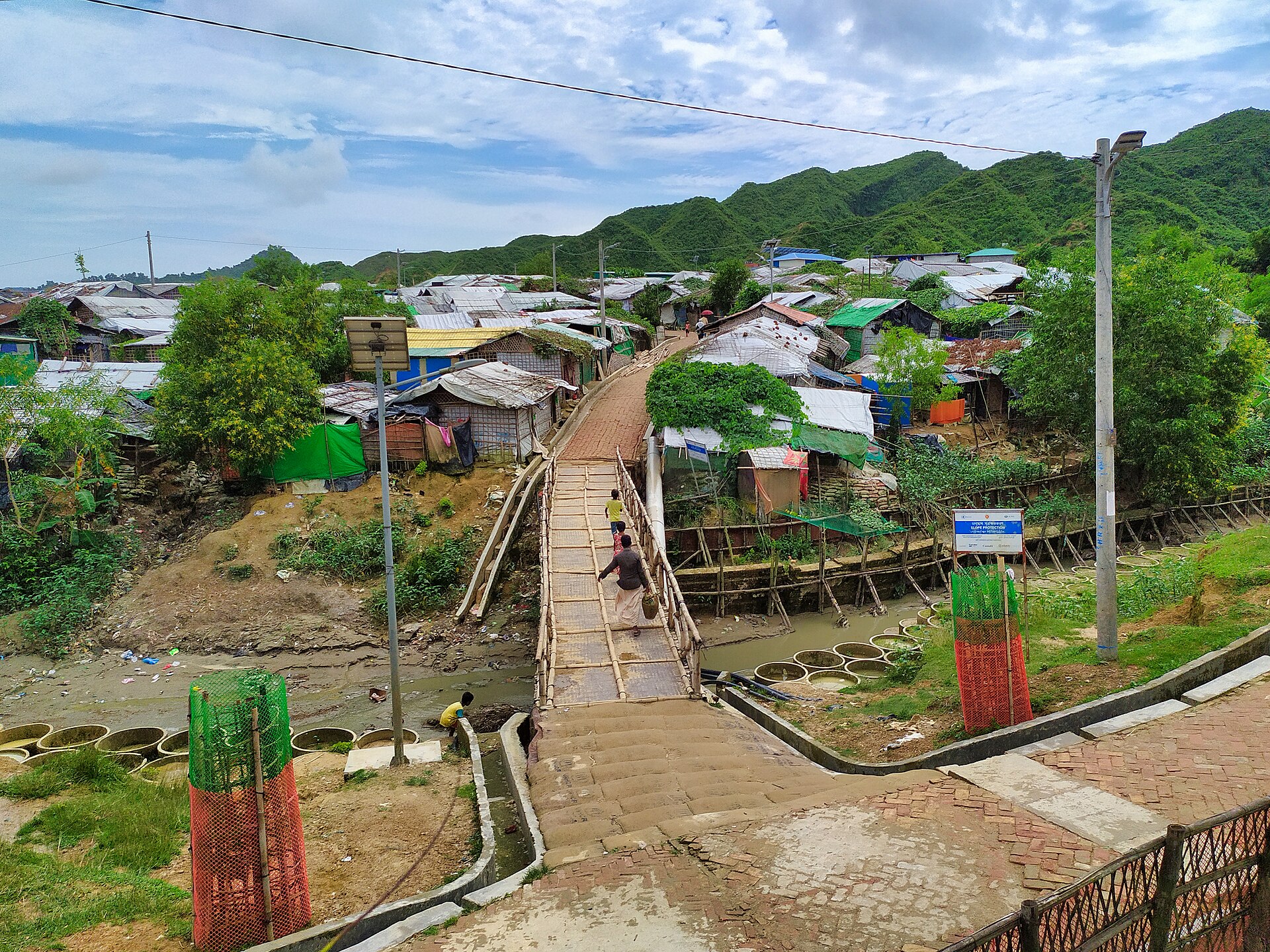
Roughly 1.2 million Rohingya now live in overcrowded camps around Cox's Bazar, Bangladesh, alongside an estimated 550,000 remaining inside Myanmar under severe movement and livelihood restrictions. For survivors such as diaspora activist Mohammed Nowkim, a ruling for The Gambia offers vital formal recognition, though ongoing fighting between Myanmar's junta and the Arakan Army—alongside waning aid—still blocks any swift safe return.