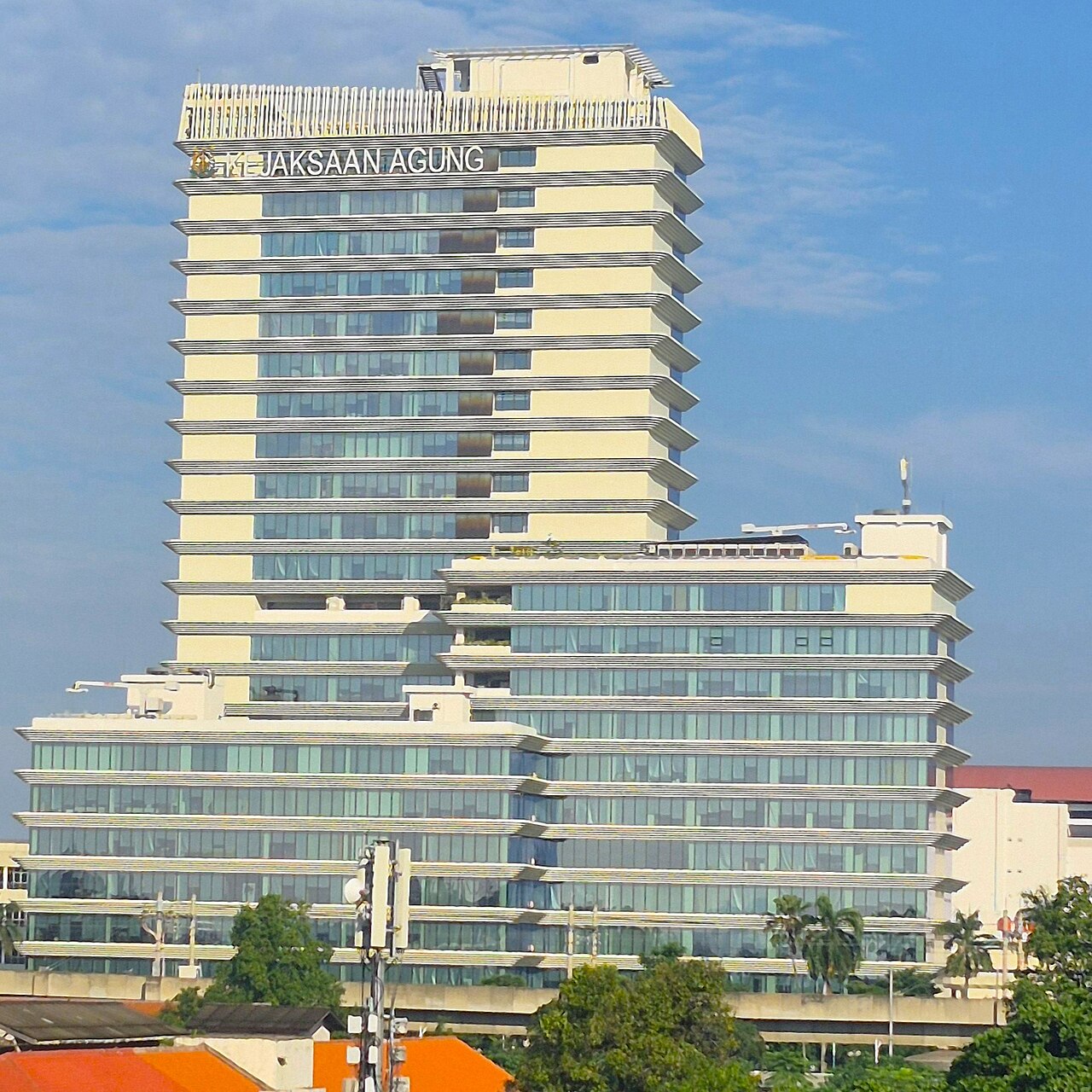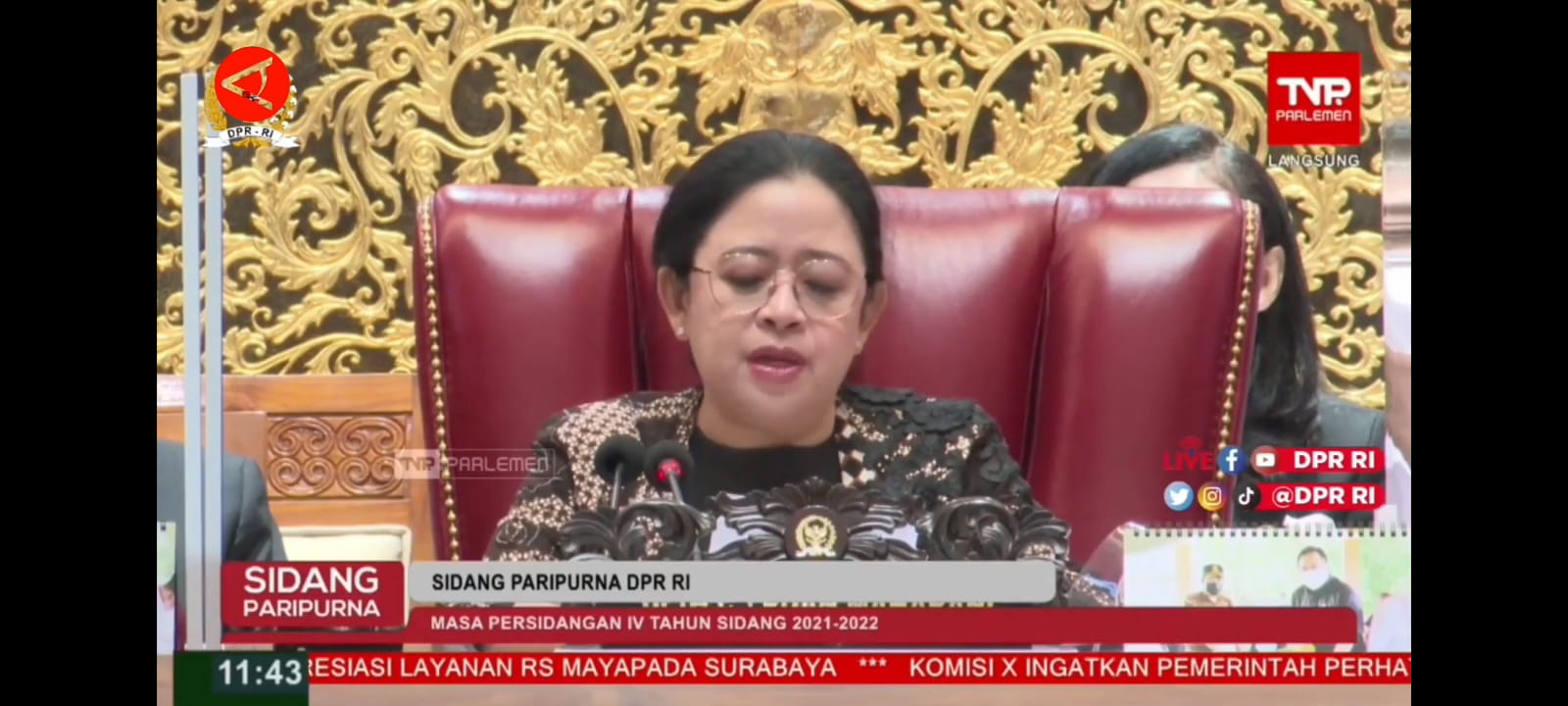
JAKARTAIndonesia's House of Representatives (DPR) enacted the long-awaited Asset Forfeiture Law on Thursday, November 19, 2026, without a provision criminalizing unexplained wealth or illicit enrichment among public officials. As anti-graft researchers criticized the omission, National Economic Council (Dekonas) Chair Luhut Binsar Pandjaitan on Saturday, November 21, called for artificial intelligence deployment across state enterprises to curb corruption.
Zaenul Rohman, a researcher at Gadjah Mada University's Center for Anti-Corruption Studies (PUKAT UGM), warned that omitting illicit-enrichment rules prevents prosecutors from seizing officials' assets that exceed their lawful income. Under the enacted draft, non-conviction asset forfeiture applies only when a suspect has died, fled, suffered permanent illness, or disappeared, and only after investigators establish an underlying predicate crime.
Why did parliament omit illicit enrichment from the Asset Forfeiture Law?
Lawmakers excluded the unexplained-wealth clause by citing human rights protections, the presumption of innocence, and the separation between procedural and substantive criminal law. House Commission III Chair Habiburokhman and Hasanuddin University legal scholar Said Karim pointed to constitutional precedents in the United States, Germany, and Portugal, whereas World Bank and UNODC data show 98 jurisdictions enforce illicit-enrichment statutes aligned with the UN Convention against Corruption.
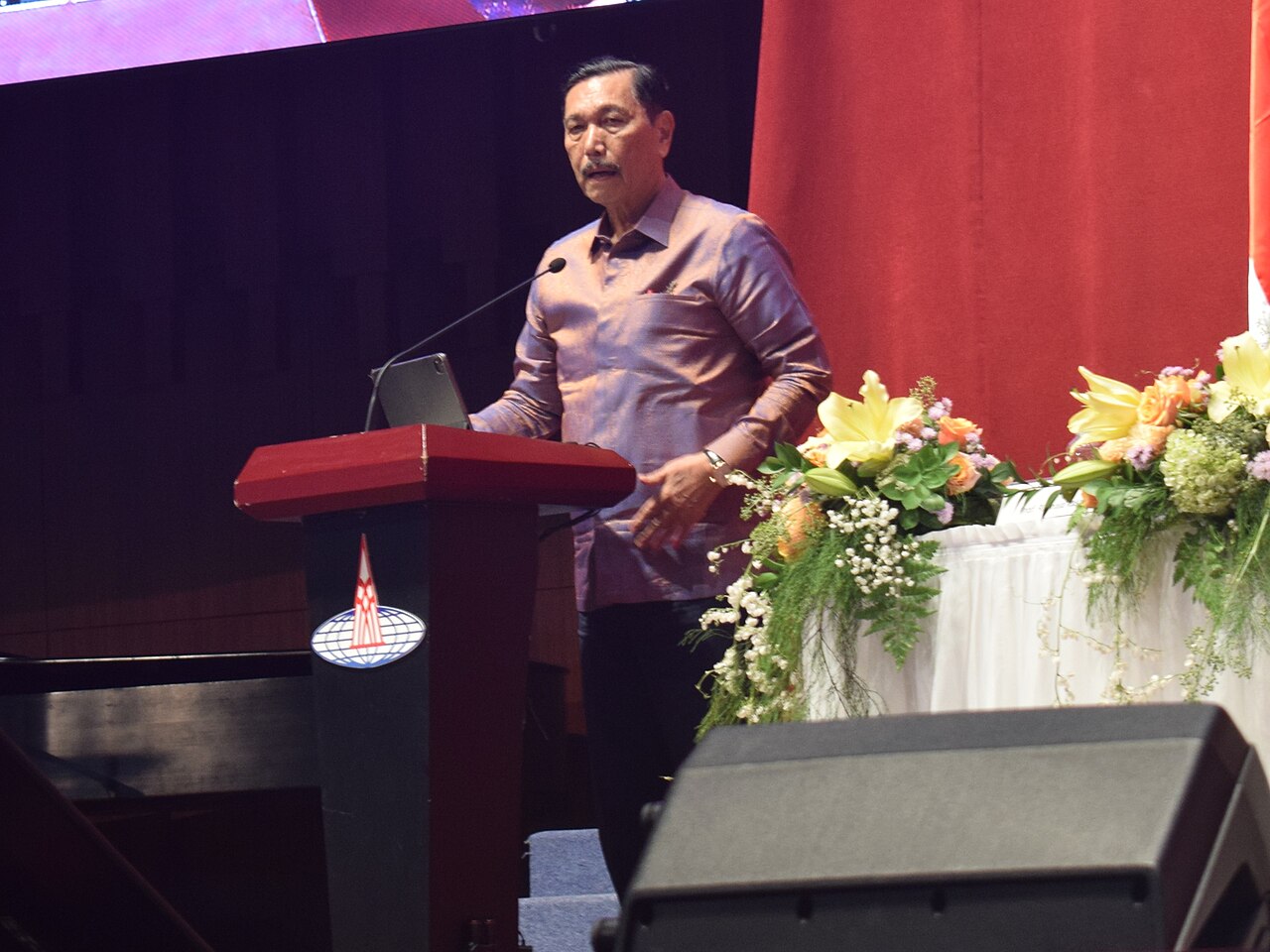
Addressing the 2026 Conference on Indonesian Foreign Policy (CIFP) in Jakarta on Saturday, Luhut argued that anti-corruption efforts cannot rely on oaths of office and must instead rely on digital systems that make theft impossible. He said embedding AI across major state-owned enterprises (BUMN) such as state utility PT PLN and energy giant PT Pertamina would sharply reduce direct human contact in procurement and operations.

How does Luhut plan to use AI to curb corruption in state enterprises?
Beyond energy utilities, Luhut noted that Dekonas is working with the Financial Services Authority (OJK) to deploy AI surveillance across financial institutions and capital markets, complementing the national AI roadmap outlined by Deputy Minister of Communication and Digital Nezar Patria. Separately, Jakarta's Information Commission underscored that public agencies and regional enterprises must strengthen verified data governance in the AI era.
Why it matters for Indonesia: intense domestic search interest around the Asset Forfeiture Law highlights public demand for stronger recovery of stolen state funds. With statutory wealth-verification powers constrained by parliament, deploying automated AI auditing across PLN, Pertamina, and OJK will be an important test of whether digital governance can close procurement loopholes.