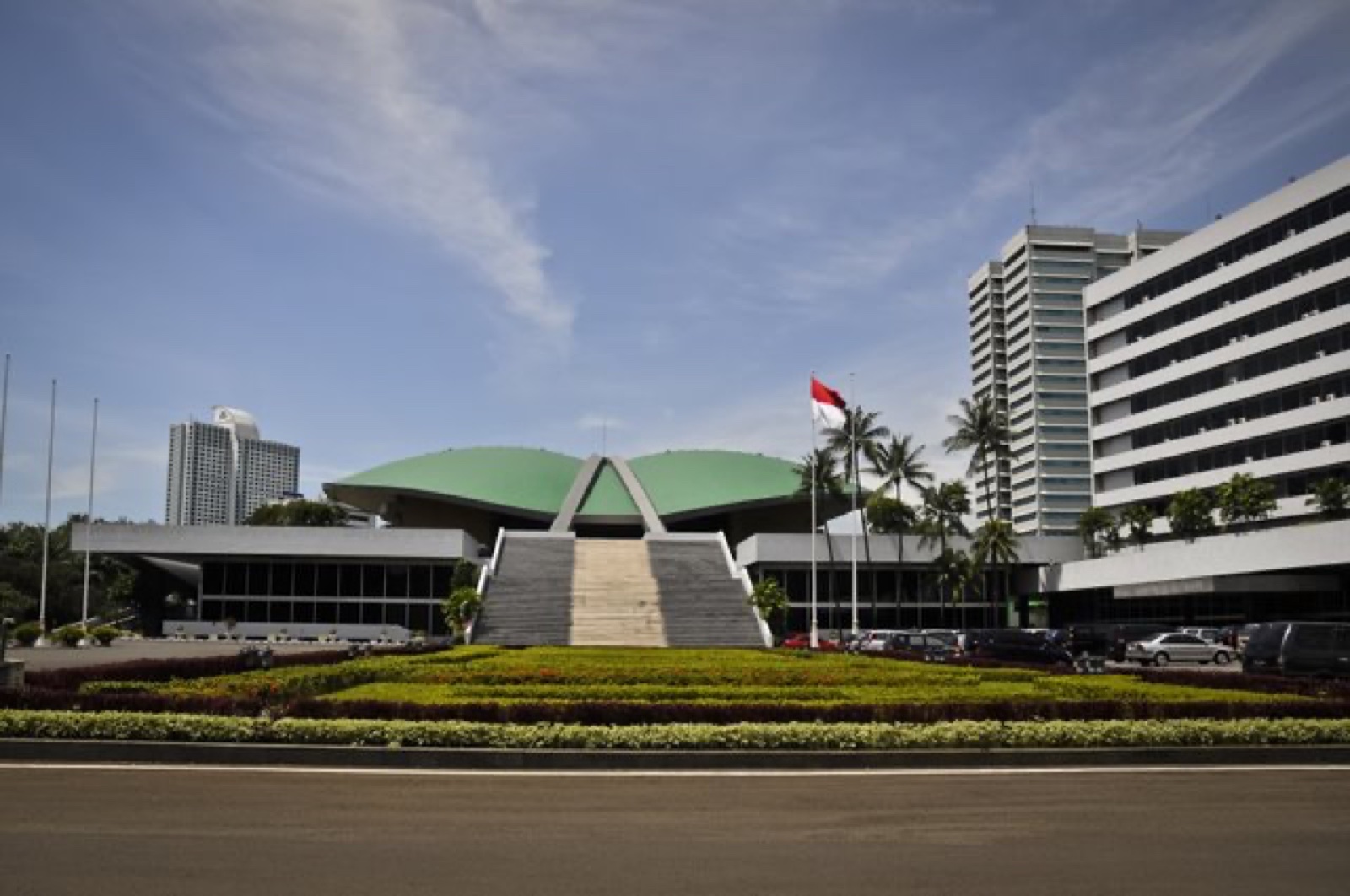
Indonesia’s House of Representatives (DPR) adopted a bill on lawmaking procedures as a House initiative on Tuesday, November 17, 2026. Deputy Speaker Sufmi Dasco Ahmad presided over the plenary decision at the parliamentary complex in Senayan, Jakarta.
The House Legislative Body agreed on November 5 to send the draft to the full chamber. Parliamentary factions submitted their positions in writing at Tuesday’s sitting before the chair asked members to approve the proposal as a House initiative.
The proposed fast-track procedure
Working committee chair Ahmad Iman Sukri said the draft covers the full legislative process, from planning to promulgation, including drafting, deliberation and approval. It proposes a fast-track route that would shorten some stages. The conditions and limits for using it are among the issues for the House and government to discuss.
The National Mandate Party faction called for limits and public oversight on fast-track lawmaking. It also urged the House to protect meaningful public participation and keep legislative decisions in human hands if lawmakers use artificial intelligence.
The National Awakening Party faction warned that a faster process should still leave room for public submissions. The Indonesian Democratic Party of Struggle said meaningful participation means hearing and considering people’s views as well as explaining how lawmakers dealt with them. The factions submitted those positions for consideration during the next stage.
The Democratic Party faction called for any new procedure to be aligned with the existing 2011 law and its amendments. The Golkar faction urged lawmakers to set objective urgency criteria and clarify the respective roles of the House, the president and regional representatives if a special route is used.
Ahmad Iman Sukri said the working committee’s draft contains 93 articles across 12 chapters.
What happens next
The House legislative portal lists the bill in the national legislative programme from November 3. Its public record tracks the drafting process and adoption as a House initiative. The House and the president must discuss the bill and reach agreement before it can advance.