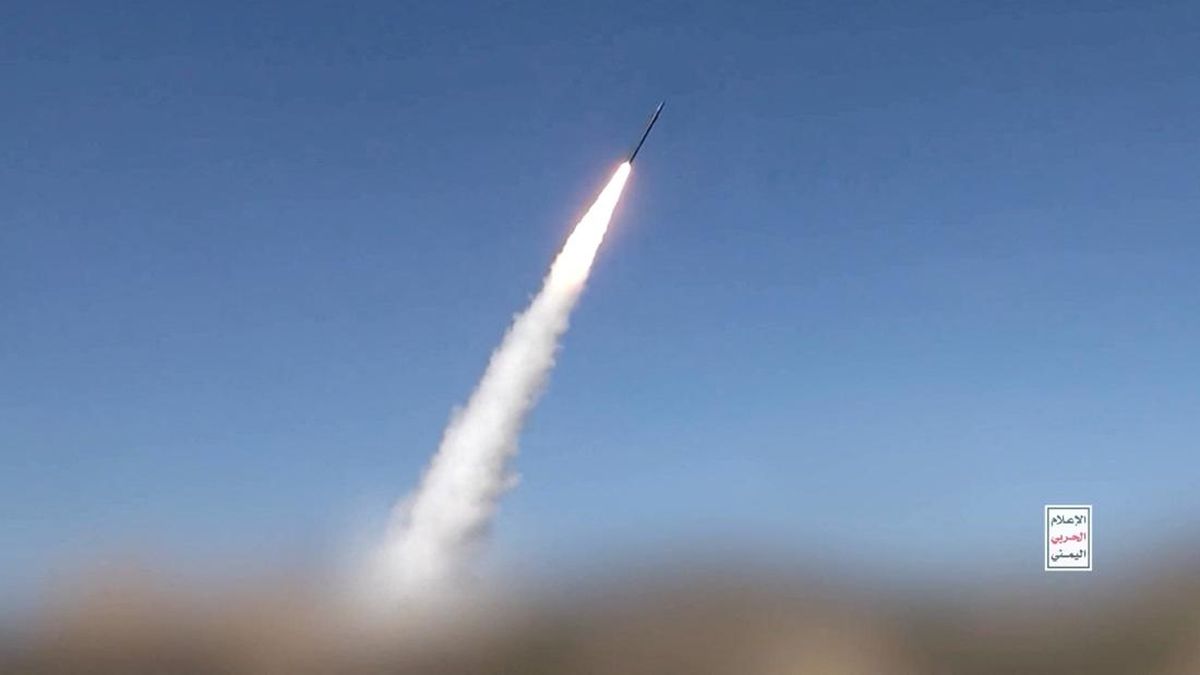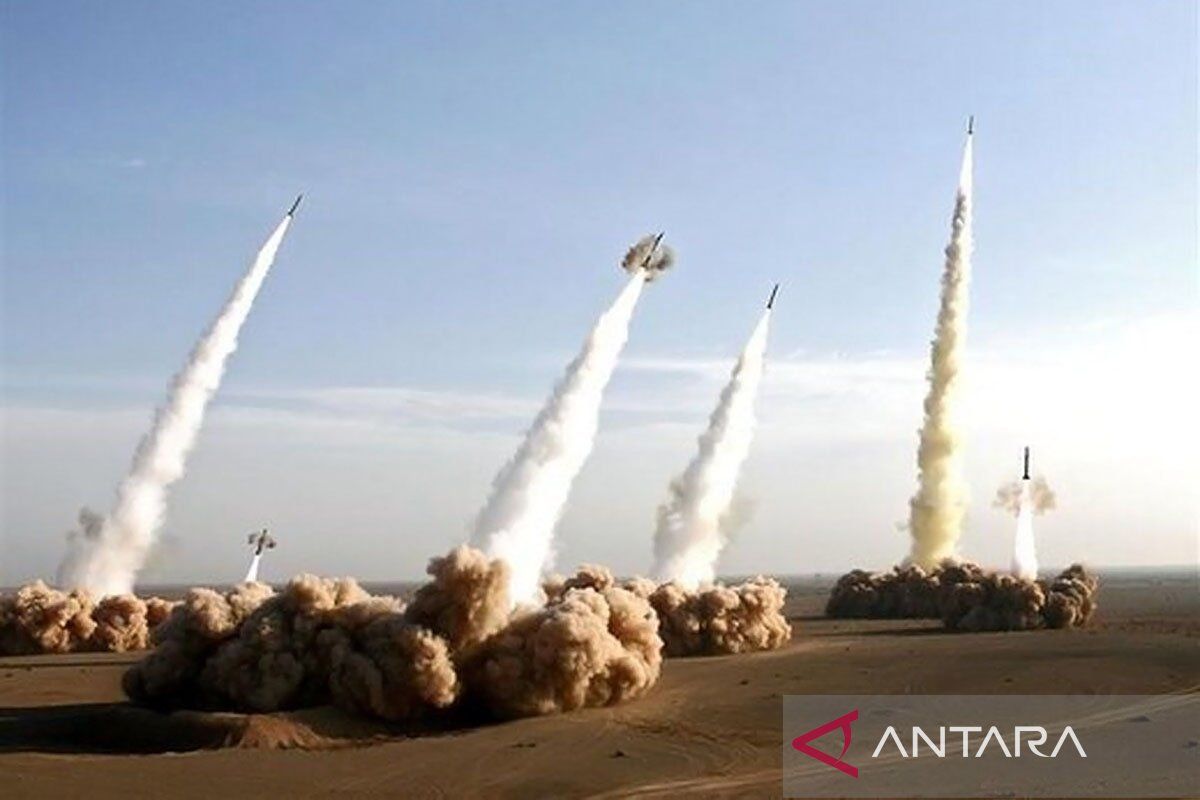
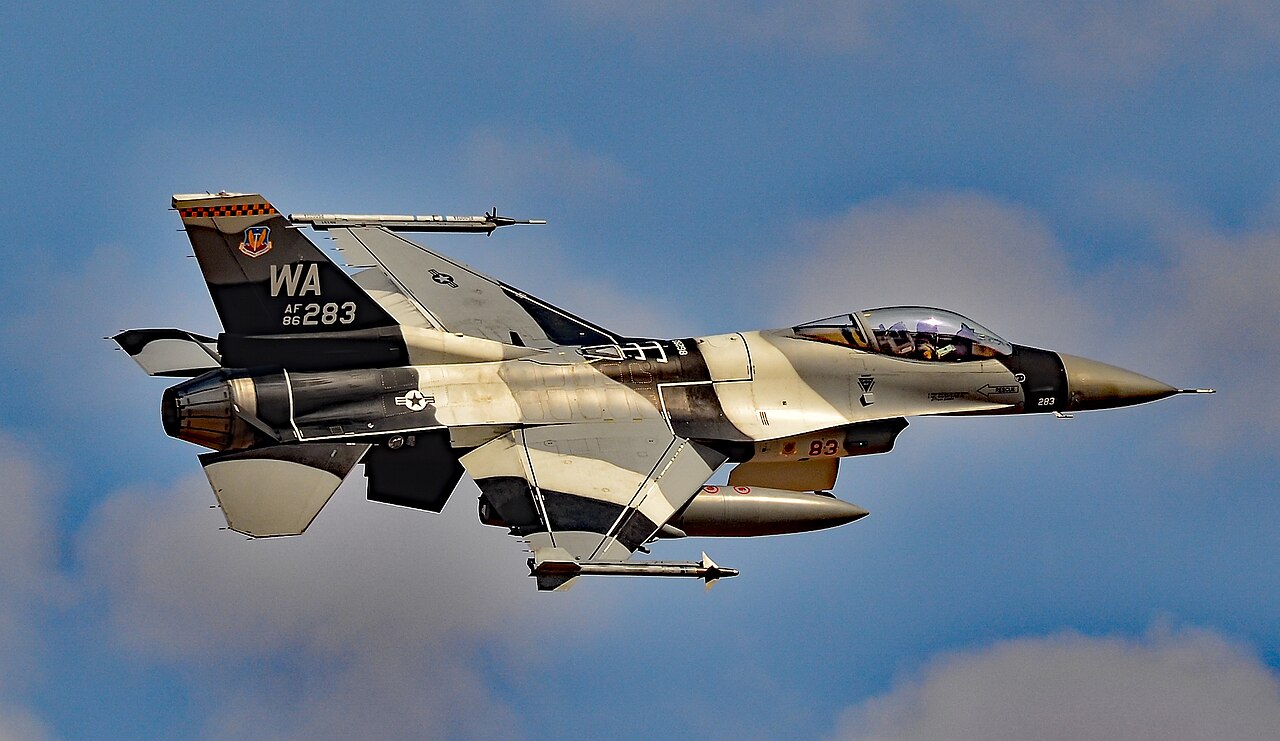
ISTANBULIran's Islamic Revolutionary Guard Corps (IRGC) claimed on Friday, November 27, 2026, that its air defense units fired warning shots at a United States Air Force F-16 fighter jet near Hengam Island in the Persian Gulf. The confrontation near the Strait of Hormuz forced the aircraft into a sharp turn away from Iranian airspace as global Brent crude held near US$96.19 per barrel.
How did Tehran and Washington frame the Gulf standoff?
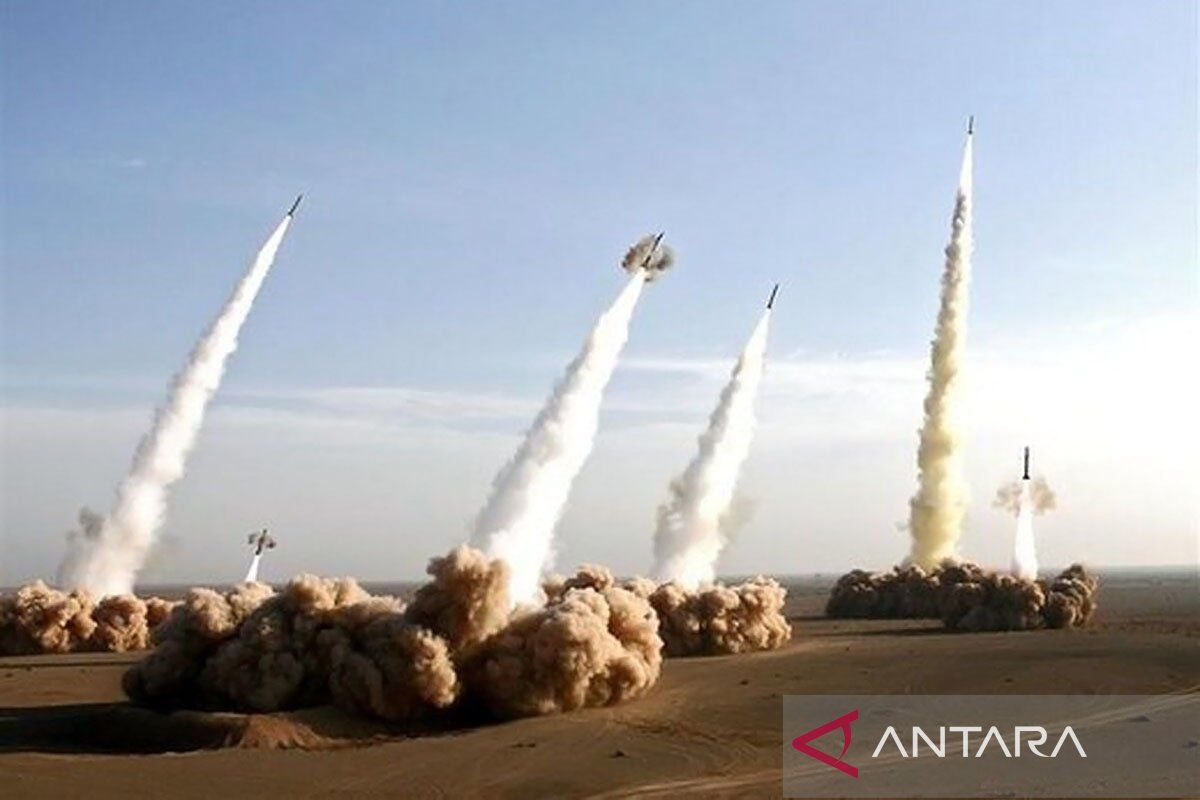
How did Tehran and Washington frame the standoff ahead of Sunday's OPEC+ talks? According to state broadcaster IRIB, the IRGC said the American F-16 approached southeastern Hengam Island while escorting vessels accused of violating Tehran's maritime rules. Iranian commanders vowed decisive action against future airspace breaches, while US defense officials had not issued an immediate public response.
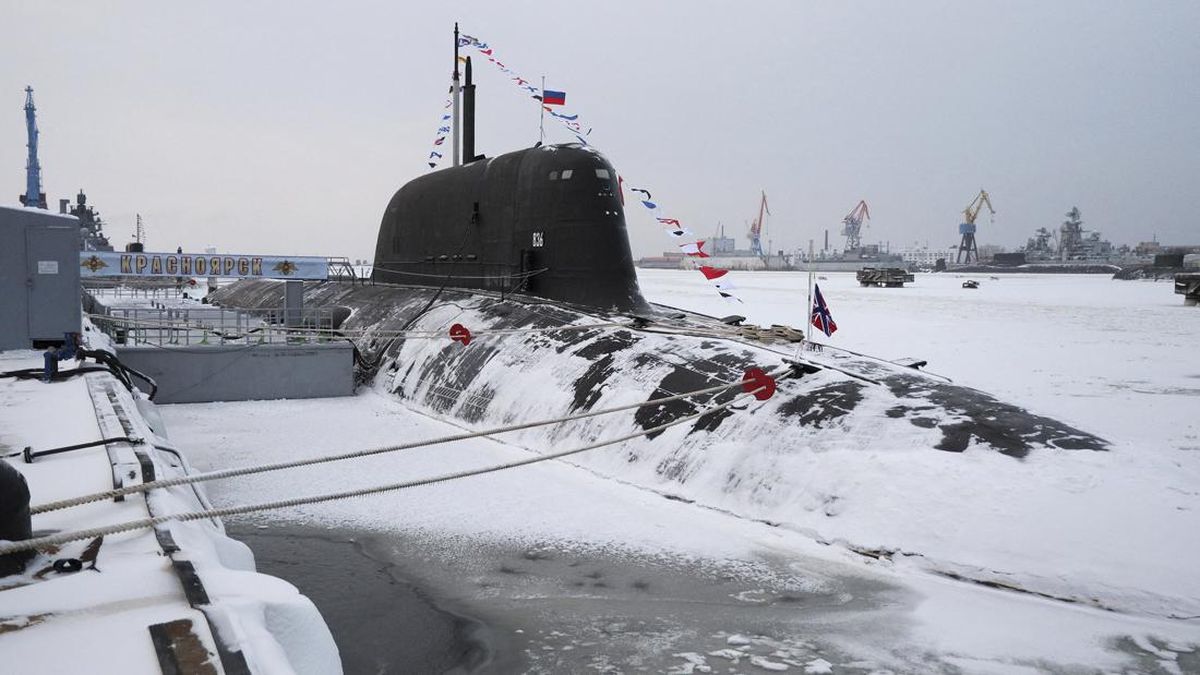
Speaking by phone to US troops stationed at regional hubs including al-Dhafra and Prince Sultan airbases on Thanksgiving Day from Mar-a-Lago, President Donald Trump downplayed Russian and Chinese backing for Tehran. As Al Jazeera reported, Trump claimed Iran could threaten Israel unless a Middle East peace deal is reached, insisting Washington does not need Middle Eastern crude before OPEC+ ministers weigh 2027 output targets on November 29.
Why has Strait of Hormuz diplomacy stalled since June?
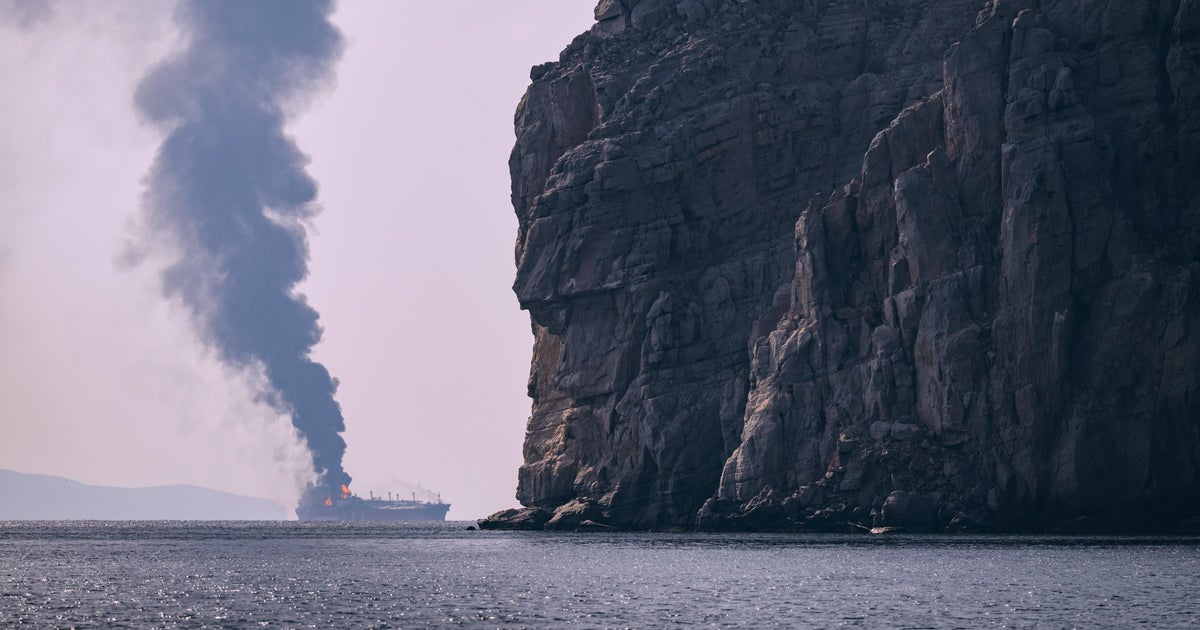
Why has Strait of Hormuz diplomacy remained deadlocked since June? Armed clashes across the Persian Gulf have persisted since joint US and Israeli strikes against Iran began on February 28, triggering retaliatory Iranian attacks on regional bases. A Pakistan-brokered memorandum signed on June 18 stalled over transit controls in the Strait of Hormuz, leaving shipping lanes exposed—including two tankers damaged by naval mines north of Oman's Khasab port this week.

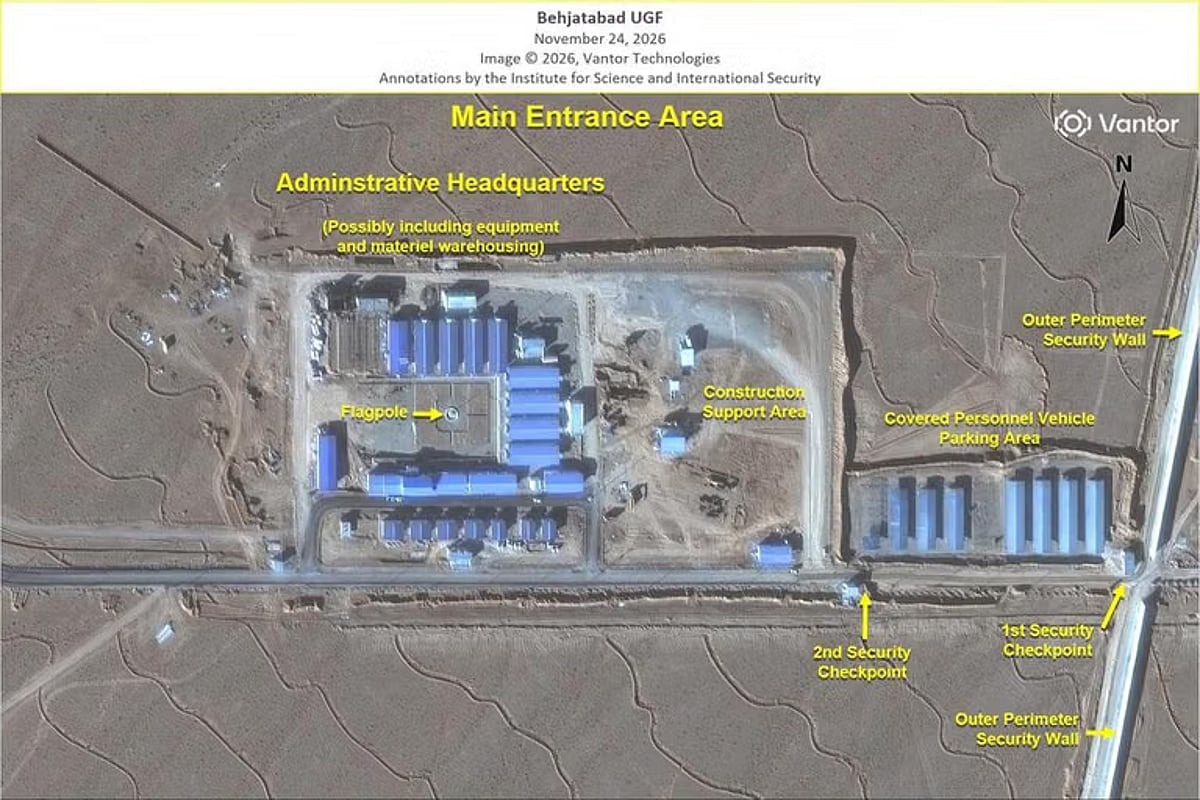
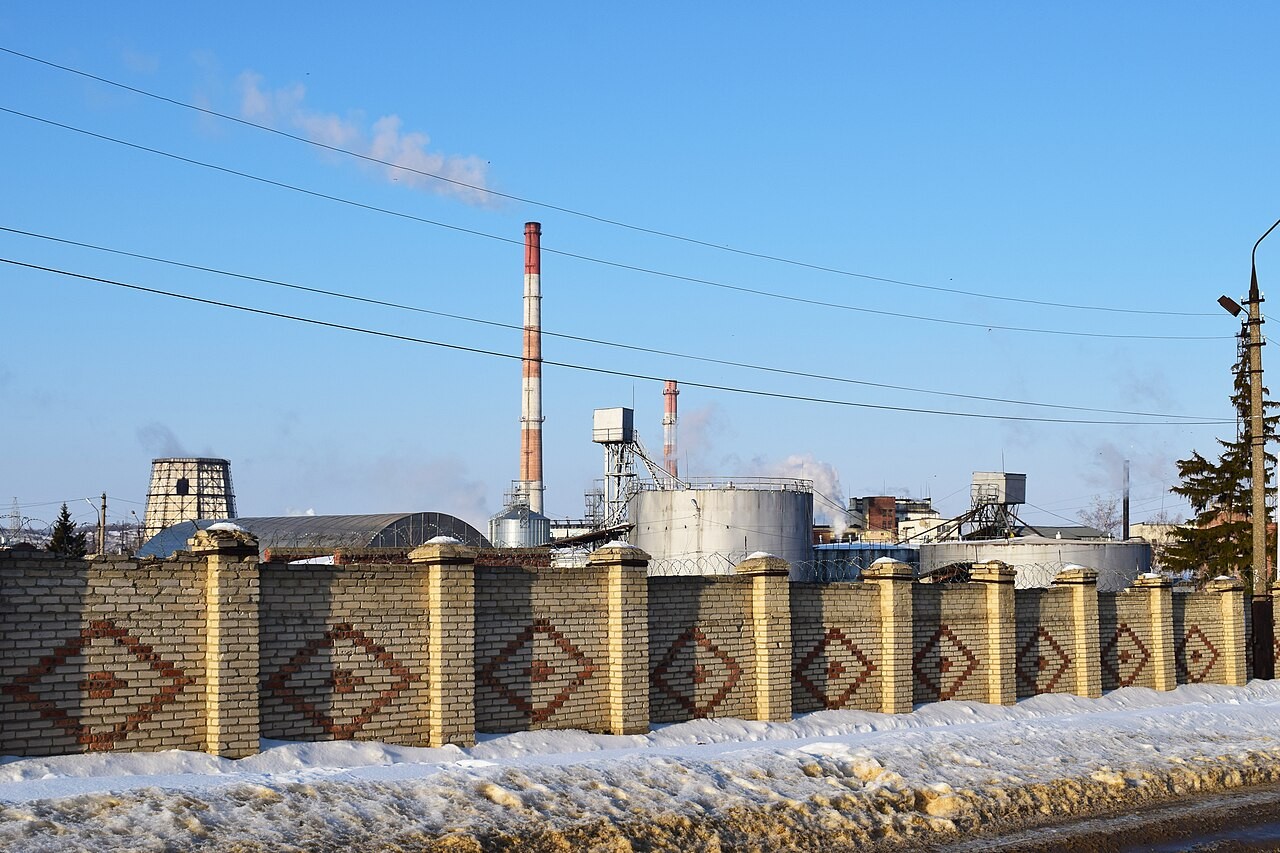
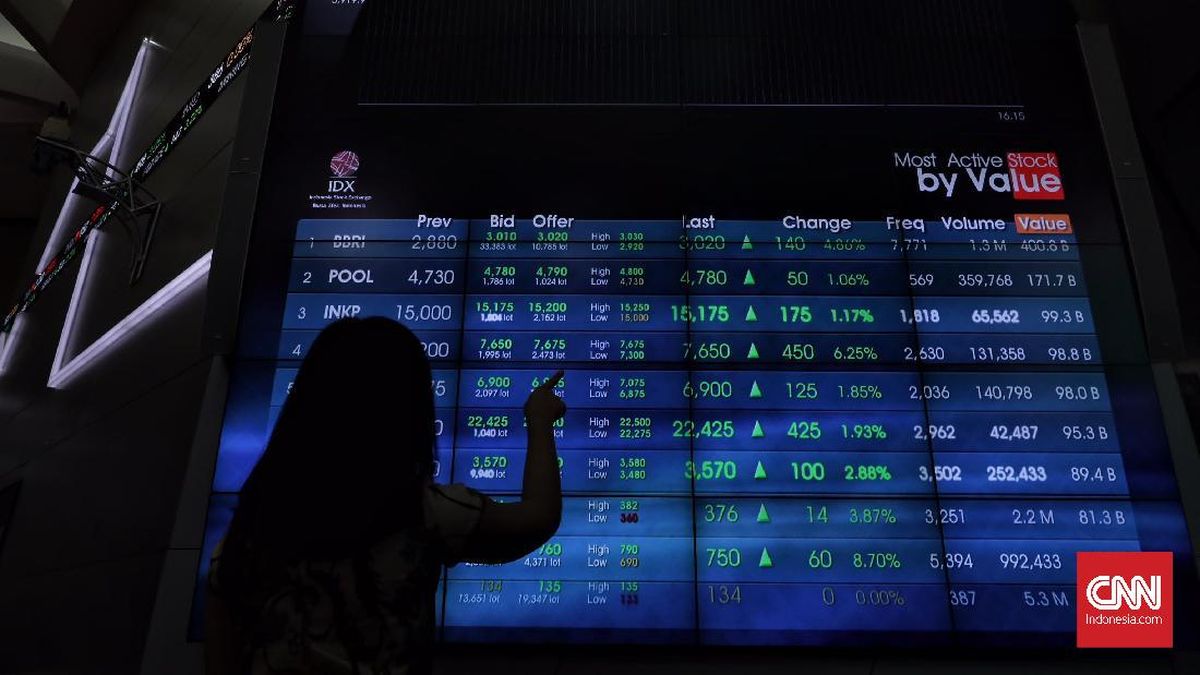
Market data compiled by CNN Indonesia shows Hormuz security risks and temporary shutdowns at Saudi Aramco's Jazan refinery kept Brent at US$96.19 per barrel on Friday morning after touching US$96.57, while US WTI climbed 2.07 percent to US$85.41. Earlier AIGOS coverage noted Tehran is also accelerating construction at the 5,000-hectare Behjatabad underground complex near Natanz even as Trump insists victory is within reach.
What does $96 crude mean for Indonesia's rupiah and budget?
Why does a Hormuz flare-up matter to Indonesia's economy and motorists? As a net oil importer, Indonesia faces compounding pressure as near-$100 crude coincides with the rupiah sliding to Rp18,373 per US dollar on Friday morning, inflating the cost of imported fuel and state energy subsidies. The OECD recently projected Indonesia's 2026 fiscal deficit could widen toward 2.9 percent of GDP if elevated oil prices persist while subsidized pump prices remain capped.