KUWAIT CITYEscalating hostilities between the United States and Iran rattled the Strait of Hormuz energy corridor this week as Kuwait and Bahrain intercepted overnight Iranian drone attacks following US airstrikes on Qeshm Island, while a strike on an Emirati oil tanker left 11 crew wounded and one seafarer missing.
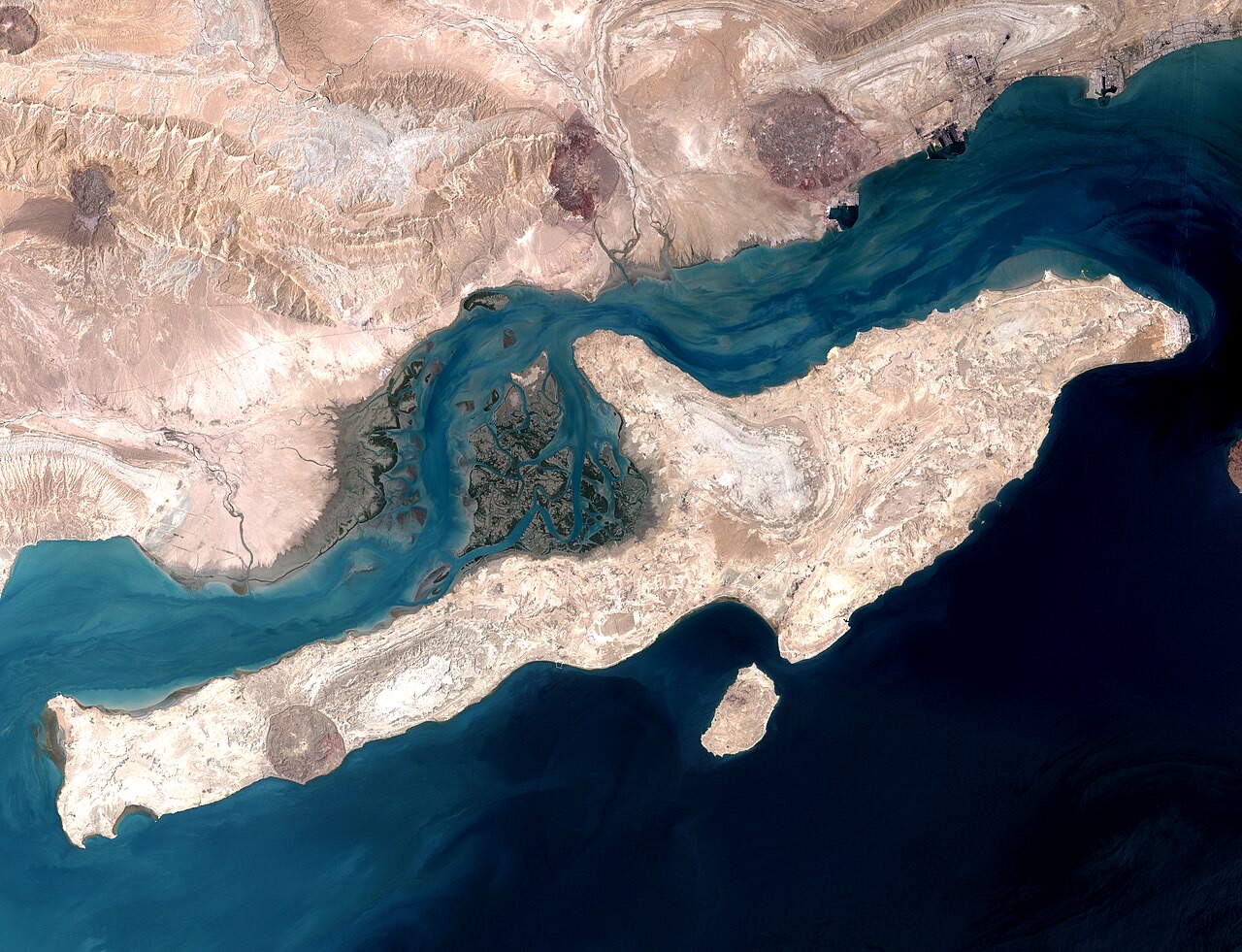
US warplanes struck an Iranian missile launch site on Qeshm Island—extending clashes along the strategic Hormuz choke point—after an earlier Iranian drone strike targeted US military radar assets in Bahrain. Iran responded with its first attack on Kuwait in over two months, aiming at Ali Al-Salem Airbase hosting US troops, though Kuwaiti officials reported no structural damage.
Why did the ADNOC tanker strike jolt oil markets?
Maritime risks intensified across the Strait of Hormuz, through which roughly one-fifth of global oil and gas shipments transit, after a tanker owned by UAE state giant ADNOC was struck by an unknown projectile between Emirati and Omani waters Tuesday evening. ADNOC reported 11 injured crew members, while the father of missing Jordanian captain Mohammed Hussam Al-Din Al-Otaibi appealed Thursday for expanded search efforts after more than 40 hours without contact.
Renewed tanker attacks lifted global crude benchmarks even amid broader monthly declines, with Brent futures rising $1.01 or 1.09 percent to settle at $93.45 a barrel and US West Texas Intermediate edging up 0.34 percent to $86.01. Still, Mizuho energy futures director Bob Yawger noted gains remained capped by an International Energy Agency (IEA) forecast anticipating a fourth-quarter supply surplus as some Gulf exports recover.

Diplomatic deadlock and stakes for Indonesia's fuel budget
Diplomatically, the nine-month war ignited by US and Israeli strikes in late February has hardened into stalemate since a June ceasefire collapsed in July. CBS News cited Bloomberg and New York Times reporting that Israeli Prime Minister Benjamin Netanyahu is pressing President Donald Trump for fresh strikes over suspected Iranian missile rebuilding, while Doha Institute analyst Muhanad Seloom warned the conflict has shifted from air raids into a protracted maritime siege.
For Indonesia, a net fuel and crude importer already navigating rupiah depreciation near Rp18,254 per US dollar, Brent holding above $93 directly pressures state energy subsidy outlays and domestic inflation risks. Persistent shipping hazards around Hormuz underscore the urgency for Indonesian energy planners and refiners to safeguard non-Gulf crude supply lines.