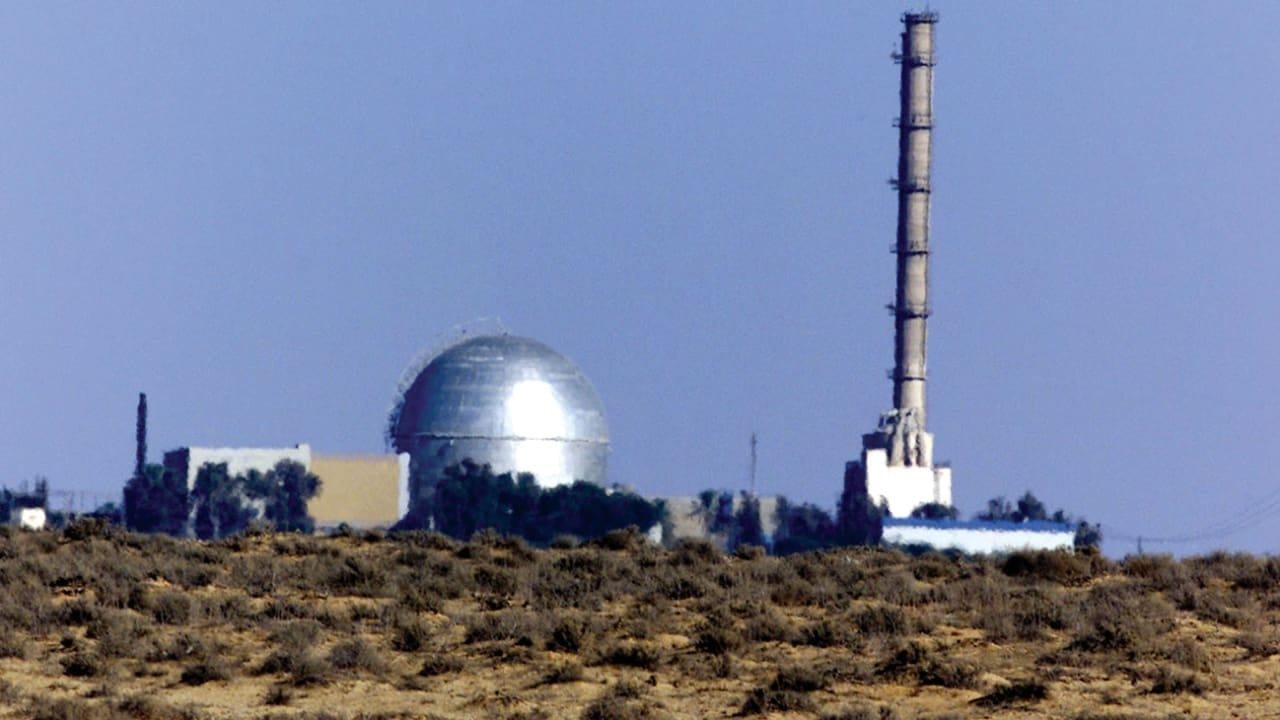
TEL AVIVA new Nuclear Notebook assessment published by the Bulletin of the Atomic Scientists on November 10 estimates that Israel possesses roughly 90 nuclear warheads alongside up to 1,000 kilograms of plutonium at its Dimona complex. Experts calculate that stockpile could hypothetically yield 160 to 250 additional bombs, sharpening international scrutiny amid ongoing Israel-Iran military tensions.
How large is Israel's plutonium stockpile at Dimona?
Authored by Federation of American Scientists researchers Hans M. Kristensen and Mackenzie Knight-Boyle, the 2026 study maintains the same 90-warhead baseline estimated in 2021. Assuming 4 to 5 kilograms of plutonium per second-generation single-stage implosion fission weapon, the researchers assess Israel keeps the fissile material as a strategic reserve while manufacturing warheads at Dimona primarily to replace aging units rather than expand its arsenal.
Commercial satellite imagery from 2026 also revealed construction of a new circular structure near Dimona with a diameter resembling the existing reactor, which began operating in the 1960s and has surpassed its original design lifespan. However, the authors cautioned that satellite photos alone cannot confirm whether the new building is a replacement reactor or an auxiliary storage facility.
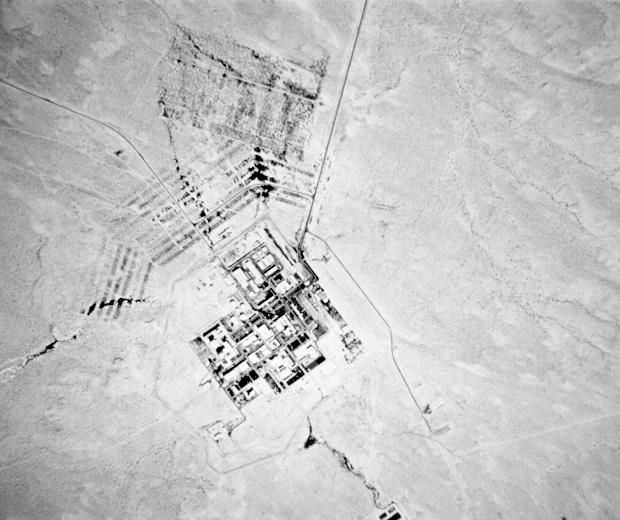
Why does replacing the Dimona reactor pose hurdles?
Replacing the aging Dimona core poses diplomatic and supply hurdles because Israel has never signed the Nuclear Non-Proliferation Treaty (NPT), restricting lawful access to nuclear components on global markets. Israel maintains a decades-old policy of nuclear ambiguity—neither confirming nor denying its arsenal—which first drew global scrutiny in 1986 after former Dimona technician Mordechai Vanunu leaked facility details to the Sunday Times.
In Washington, the report amplifies pressure from 30 Democratic lawmakers led by Representative Joaquin Castro, who urged Secretary of State Marco Rubio in May to clarify the Middle East nuclear balance following the US and Israeli conflict with Iran. The Stockholm International Peace Research Institute also listed Israel among nine nuclear-armed states in 2026, challenging a quiet 1969 US-Israeli understanding traced to President Richard Nixon and Prime Minister Golda Meir.

How do Iran-Israel tensions affect Indonesian fuel and the Rupiah?
For Indonesia, nuclear posturing and active hostilities involving Israel and Iran carry immediate economic repercussions through energy shipping lanes and currency markets. On November 26, Brent crude climbed to US$94.71 per barrel amid tanker mine incidents in the Strait of Hormuz and attacks on Saudi Arabia's Ras Tanura refinery, while Bank Indonesia's JISDOR reference rate weakened to Rp18,303 per US dollar on November 25.
Rising crude prices combined with a softer Rupiah swell the fiscal cost of Indonesia's energy subsidies, as state-owned Pertamina holds subsidized Pertalite at Rp10,000 per liter and Biosolar at Rp6,800 per liter in November 2026. Jakarta policymakers and importers are closely tracking the upcoming November 29 OPEC+ output talks alongside Middle East de-escalation efforts to shield domestic inflation and the state budget.