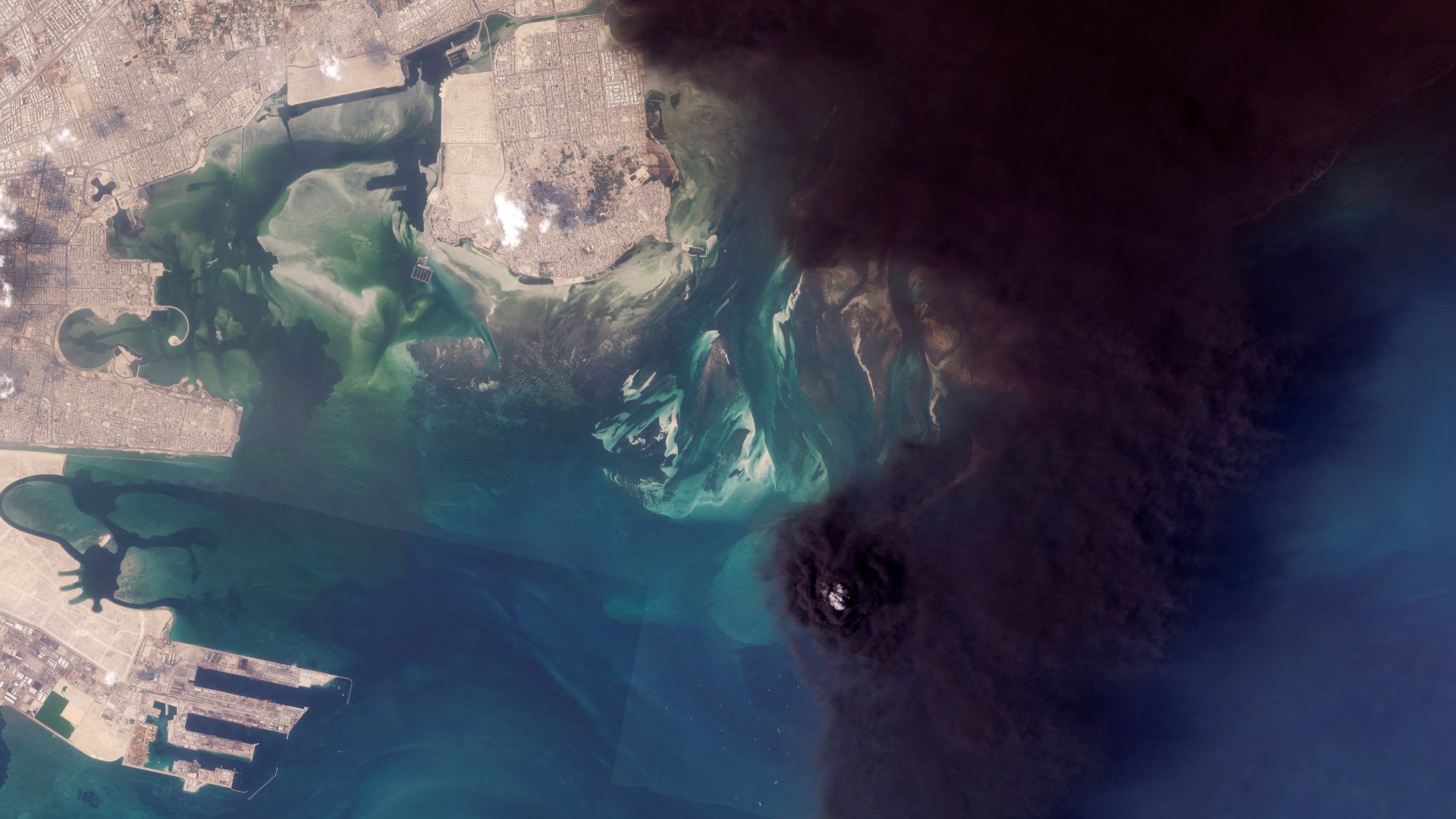
RIYADH / SANAA / JAKARTAYemen's Houthi movement claimed responsibility on Wednesday (Nov 25) for a drone strike on Saudi Arabia's largest oil refinery at Ras Tanura, a 550,000-barrel-per-day facility along the Gulf coast, as cross-border hostilities with the Saudi-led coalition escalated sharply. Satellite imagery reviewed by Reuters showed thick black smoke billowing across an area spanning roughly 600 square kilometers around the strategic complex.
Why did the Houthis target Ras Tanura and Saudi ports?
Houthi military spokesperson Yahya Saree said the Ras Tanura strike ignited fires in retaliation for Saudi airstrikes in Lahij province's Al-Maqatirah district earlier this week that killed at least 26 people. Saree also warned workers and shipping firms to evacuate Jeddah and all other Saudi Red Sea ports, declaring them legitimate targets.
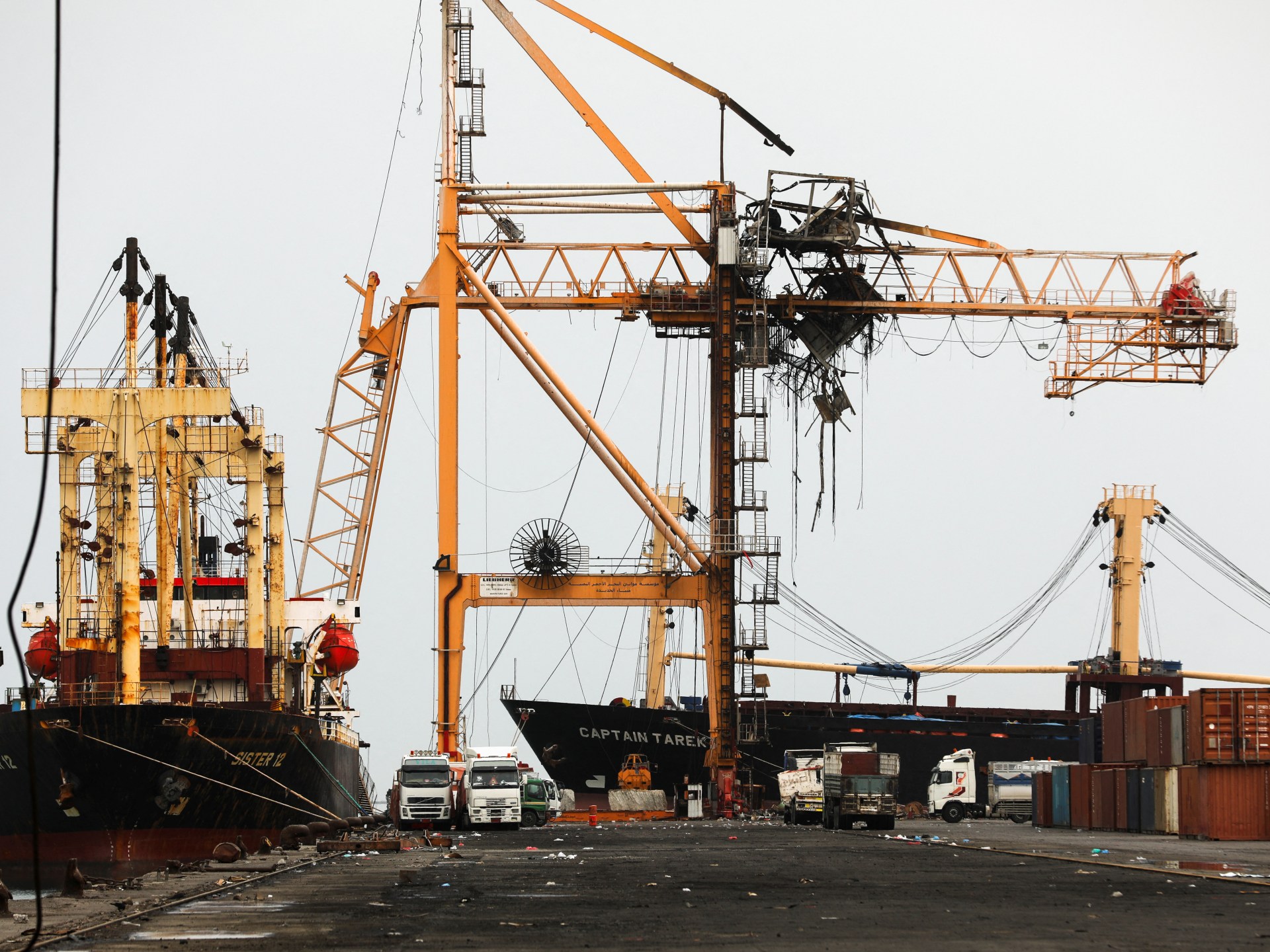
Saudi air defenses reported intercepting four drones over Ras Tanura and another near Jeddah Islamic Port on Wednesday, while acknowledging that a Houthi projectile struck southwestern Jazan Port and caused minor damage. The strikes followed Tuesday's attack on Riyadh's King Abdullah Financial District—the second hit in a week on the tower housing the Public Investment Fund—which wounded 11 people.
Why is Hodeidah port vital to Yemen's humanitarian lifeline?
In parallel, the Saudi-led coalition launched renewed airstrikes against Houthi positions at Yemen's Red Sea port of Hodeidah on Wednesday after issuing civilian evacuation warnings. The United Nations estimates Hodeidah handles about 70 percent of Yemen's commercial imports and 80 percent of its humanitarian aid, prompting warnings from IOM and Doctors Without Borders that port closure could paralyze food, fuel, and medical deliveries.

Yemeni military analyst Ali al-Dhahab said the Hodeidah bombardment aims to cripple Houthi logistical and economic lifelines after a government counteroffensive failed to halt Houthi advances toward Aden. At the same time, researchers note the Houthis have repeatedly been accused of exploiting Hodeidah's civilian berths to smuggle weapons from Iran following the broader Middle East spillover.
What does the oil spike mean for Indonesia's inflation and fuel?
The twin shock to Ras Tanura and Red Sea shipping pushed global benchmark Brent crude toward $93.80 to $94.66 per barrel on Wednesday, heightening energy cost pressures for net oil importers like Indonesia. Speaking before House Commission XI in Jakarta the same day, Bank Indonesia Governor Destry Damayanti warned that sustained oil price spikes pose an upside inflation risk alongside BI's 2027 rupiah assumption of Rp17,800 to Rp18,200 per dollar, reinforcing PT Pertamina's push to diversify crude cargoes away from Middle East chokepoints toward Algeria and South America.