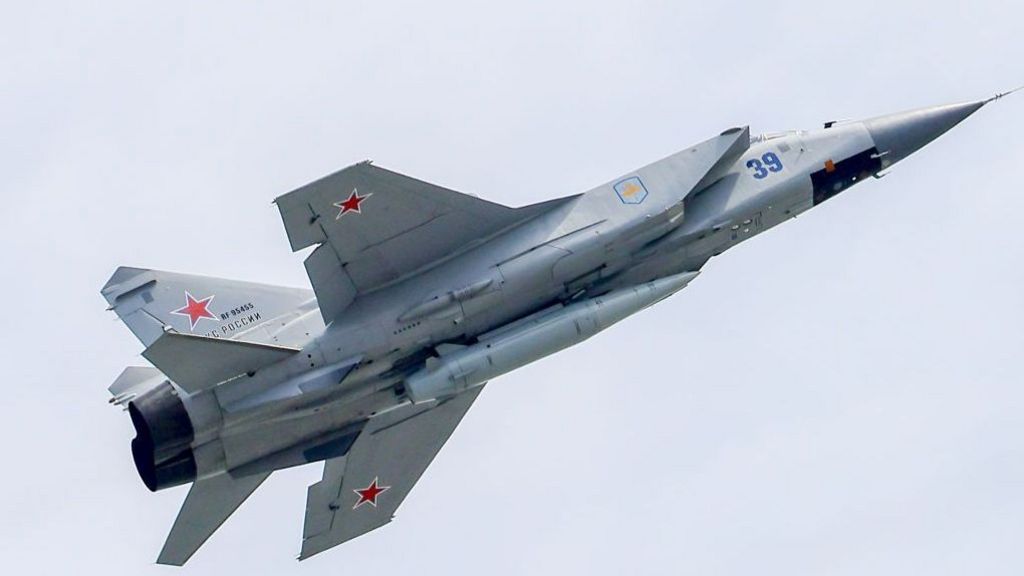
KYIV / MOSCOWKYIV / MOSCOW — Ukraine's military said on Wednesday (Nov 25) that a long-range strike on Russia's Savasleyka airfield, about 300 kilometers east of Moscow, damaged five Russian warplanes. Kyiv's General Staff reported that three MiG-31 interceptors and two Su-34 fighter-bombers were hit in the Nizhny Novgorod region while battle-damage assessments continue.
Why is Russia's Savasleyka airfield a key Ukrainian target?
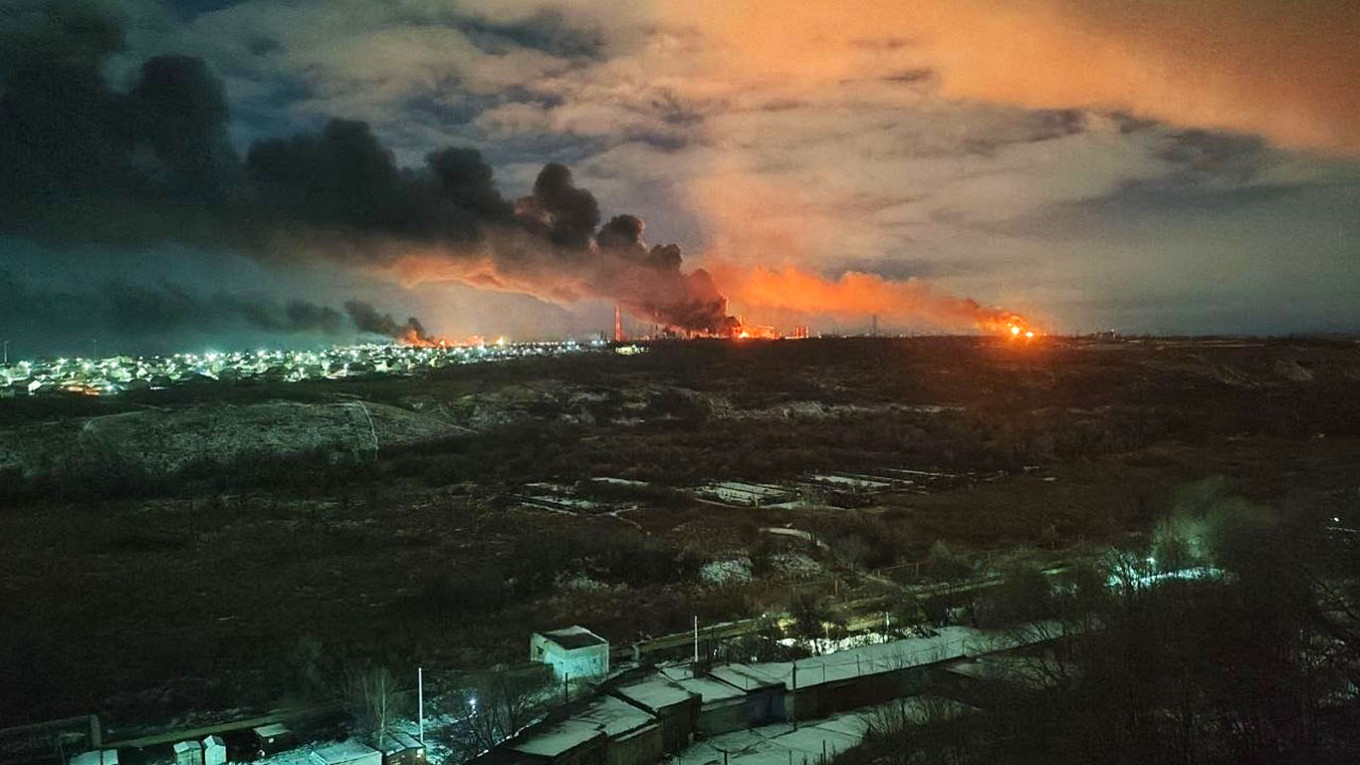
Savasleyka has long been a high-value target because its MiG-31 fleet launches hypersonic Kinzhal missiles that routinely trigger nationwide air-raid alerts across Ukraine, alongside Su-34 jets used for glide-bomb strikes. Overnight, Kyiv also said it struck two oil refineries in Russia's Samara region some 800 kilometers from the front line, expanding a deep-strike campaign that follows recent fires at Rosneft refining hubs.
Samara Governor Vyacheslav Fedorishchev described the overnight barrage as a severe ordeal, reporting more than 145 drones intercepted while one person was killed and several towns lost power. Ukraine's defense ministry also claimed hits on a radar system plus fuel and logistics depots in Russian-occupied territory, arguing that cutting fuel supplies reduces Moscow's artillery and air sorties.
How did Putin respond to strikes on Russian energy hubs?
Responding to the escalating strikes on energy sites, Russian President Vladimir Putin warned that retaliation against Kyiv is inevitable and ordered tighter security across oil facilities. Speaking to government officials and oil executives at the Kremlin on Tuesday (Nov 24), Putin contended Russia's domestic fuel market avoided critical damage, even as CNBC Indonesia cited Al Jazeera reporting that Ukrainian drone strikes have cut Russian crude refining capacity by up to 45 percent since late October.

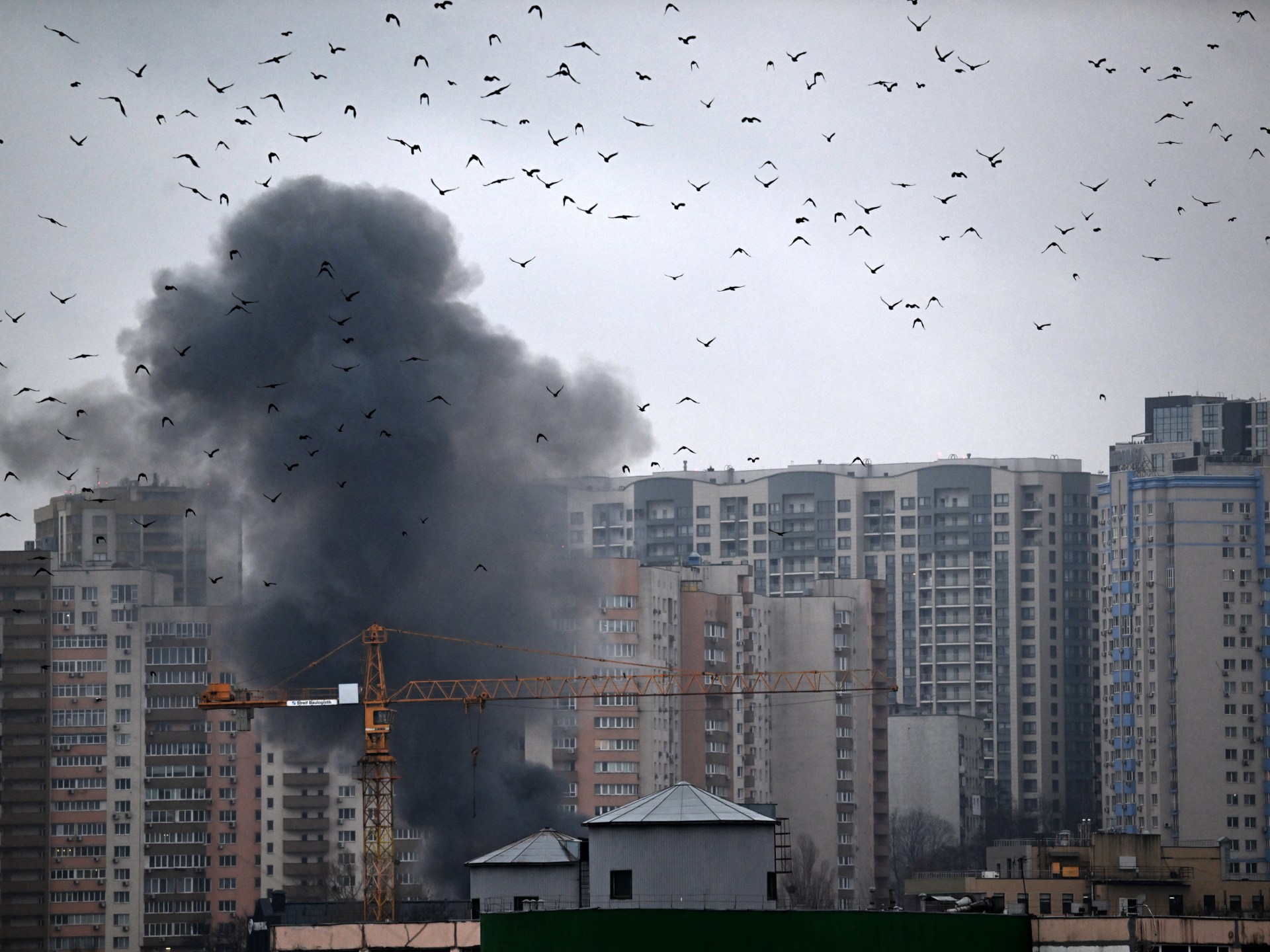
Meanwhile, daily Russian bombardments across Ukraine killed at least five people between November 24 and 25 and knocked out power in five regions—Dnipropetrovsk, Donetsk, Zaporizhzhia, Odesa, and Kharkiv. Deputy Energy Minister Artem Nekrasov said the Russian-occupied Zaporizhzhia Nuclear Power Plant lost external power for the 17th time this year and switched to diesel generators, while drone strikes in Kyiv sparked a residential fire and wounded two people.
How does Russia-Ukraine escalation affect Indonesian fuel and food?
For Indonesia, sustained strikes on Russian refining hubs and Black Sea ports around Odesa keep global energy and grain supply risks elevated. With Brent crude holding near US$90.97 per barrel on November 25 alongside a weaker Rupiah at Rp18,332 per US dollar, prolonged conflict adds upward pressure on Indonesia's fuel import bill, state energy subsidies, and imported wheat costs.