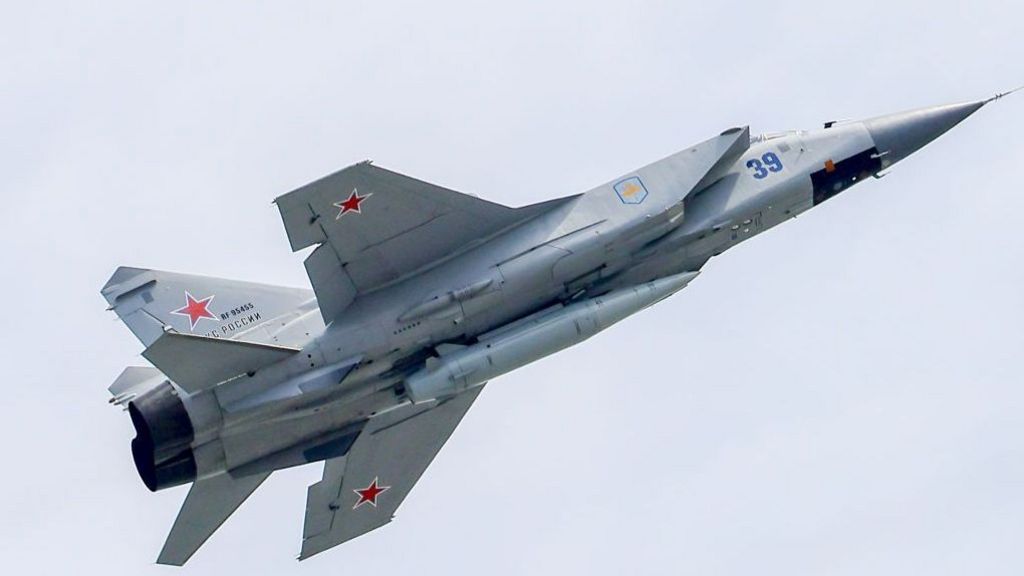
RIYADH / ADENRIYADH / ADEN — Saudi Arabia's cabinet approved a 2027 state budget of SR1.392 trillion (around Rp6,000 trillion) as hostilities with Yemen's Iran-aligned Houthi movement widen and the Strait of Hormuz remains closed. Chaired by Crown Prince and Prime Minister Mohammed bin Salman on Tuesday (Nov 24), the spending plan devotes its largest share—SR263 billion—to military defense.
Why is Saudi Arabia leaving its defense budget uncapped?
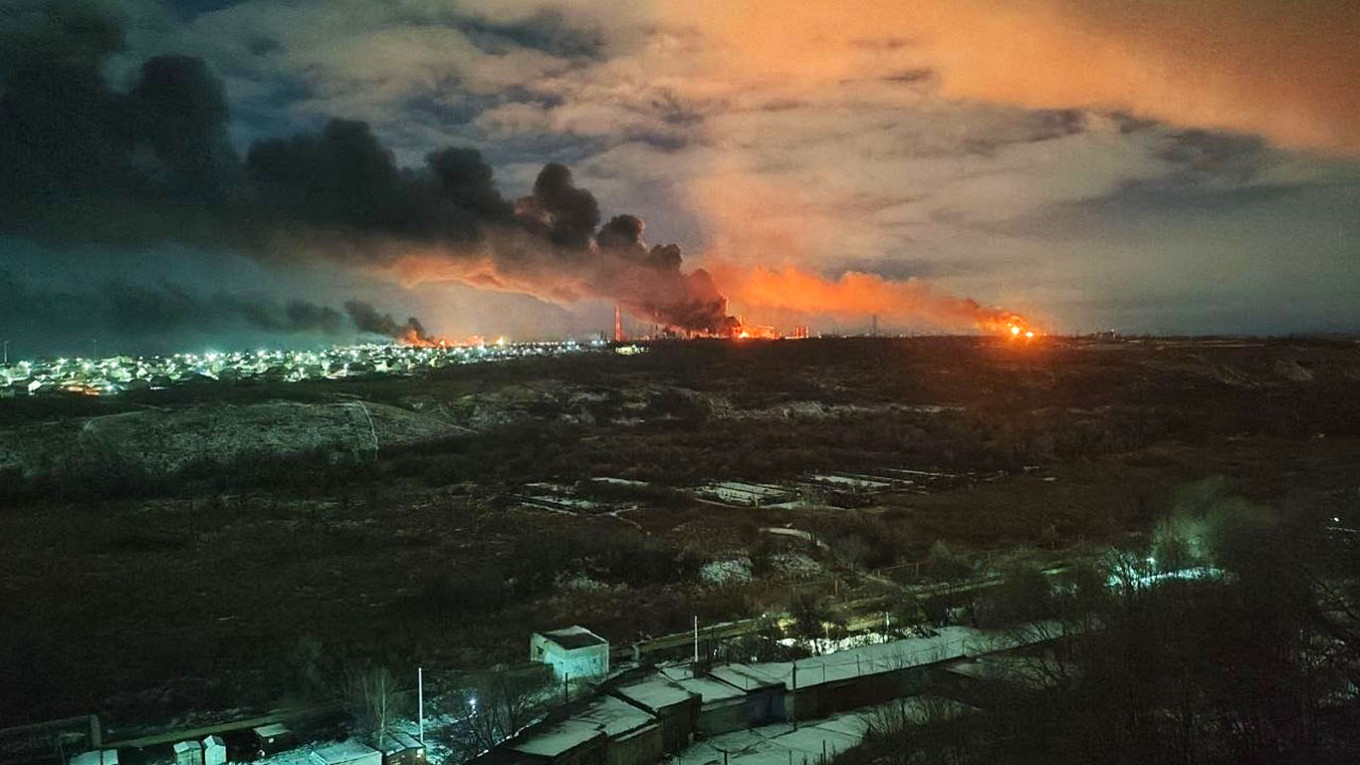
Even as ministers met in Riyadh, a projectile struck the tallest tower in the King Abdullah Financial District (KAFD), home to the Public Investment Fund (PIF), hours after the inaugural SAIF security fair opened with 1,200 teams from 55 countries. Finance Minister Mohammed Al Jadaan told reporters there is no price cap or limit on defense funding if fighting persists, adding that Saudi non-oil GDP remains positive despite an overall economic contraction over the past nine months.
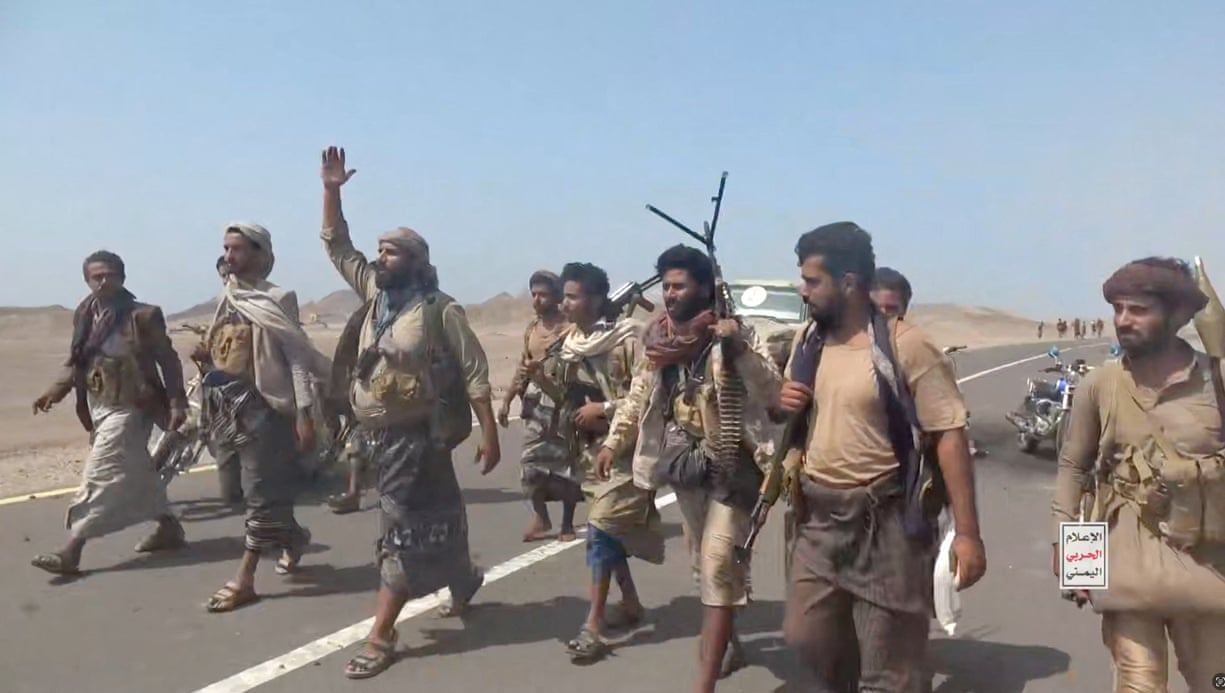
On the Yemeni front, The Guardian reported on Wednesday (Nov 25) that Houthi forces have advanced to within roughly 50 miles (80 kilometers) north of Aden, the Red Sea port serving as the Saudi-backed government's temporary seat since 2015. Troop buildups north of Kirish and in al-Bayda threaten Aden's eastern road links via Abyan and Saudi supply lines after government forces retreated from southwestern coastal districts toward Bab el-Mandeb in mid-November.
How are residents and aid agencies in Aden responding?
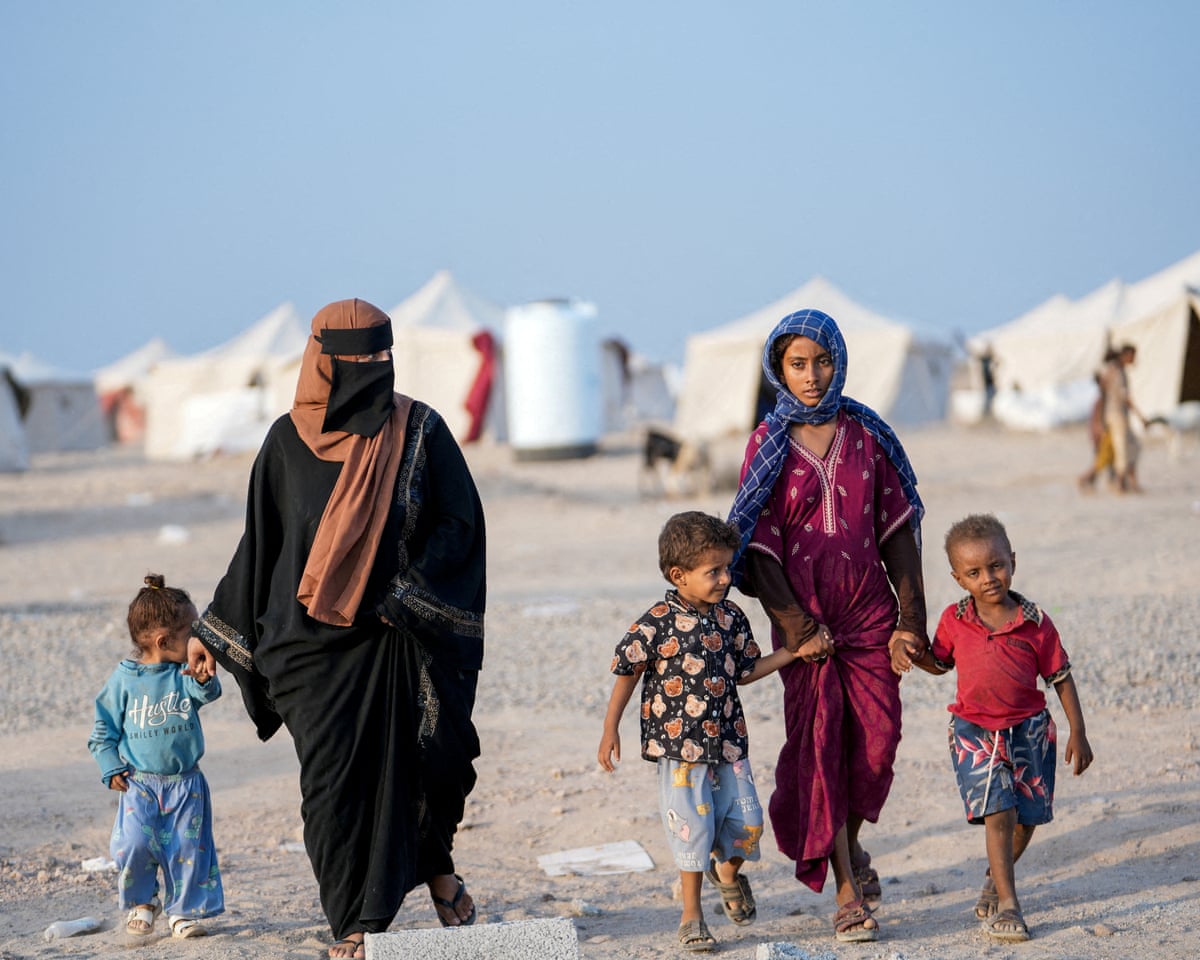
Saudi airstrikes launched since September to halt the offensive have killed or wounded 822 civilians, including 181 children, according to the independent Yemen Data Project, while Houthi officials allege 5,500 Saudi air and missile attacks since July. Inside Aden, displaced families and international NGOs are preparing contingency evacuations—some issuing staff termination notices mirroring closures in Taiz—fearing either a siege or an assault on the port city.

Simultaneous strikes hitting Riyadh's financial hub, coastal corridors near Bab el-Mandeb, and ongoing shipping disruptions in the Strait of Hormuz compound security risks across the Gulf's primary energy arteries. Earlier AIGOS News coverage noted three tankers catching fire from mines in Hormuz, underscoring how overlapping Yemen and Iran-related flashpoints threaten Middle East maritime traffic.
What does the Saudi-Houthi escalation mean for Indonesia?
For Indonesia, Red Sea and Gulf instability directly affects energy import costs, shipping insurance, and citizen safety. Geopolitical risk premiums keep Brent crude near US$90.97 per barrel—adding pressure to Indonesia's fuel subsidy budget and Rupiah at Rp18,332 per dollar—while Indonesian authorities closely monitor the safety of Indonesian workers, students, and Umrah and Hajj pilgrims across Saudi Arabia and Yemen.