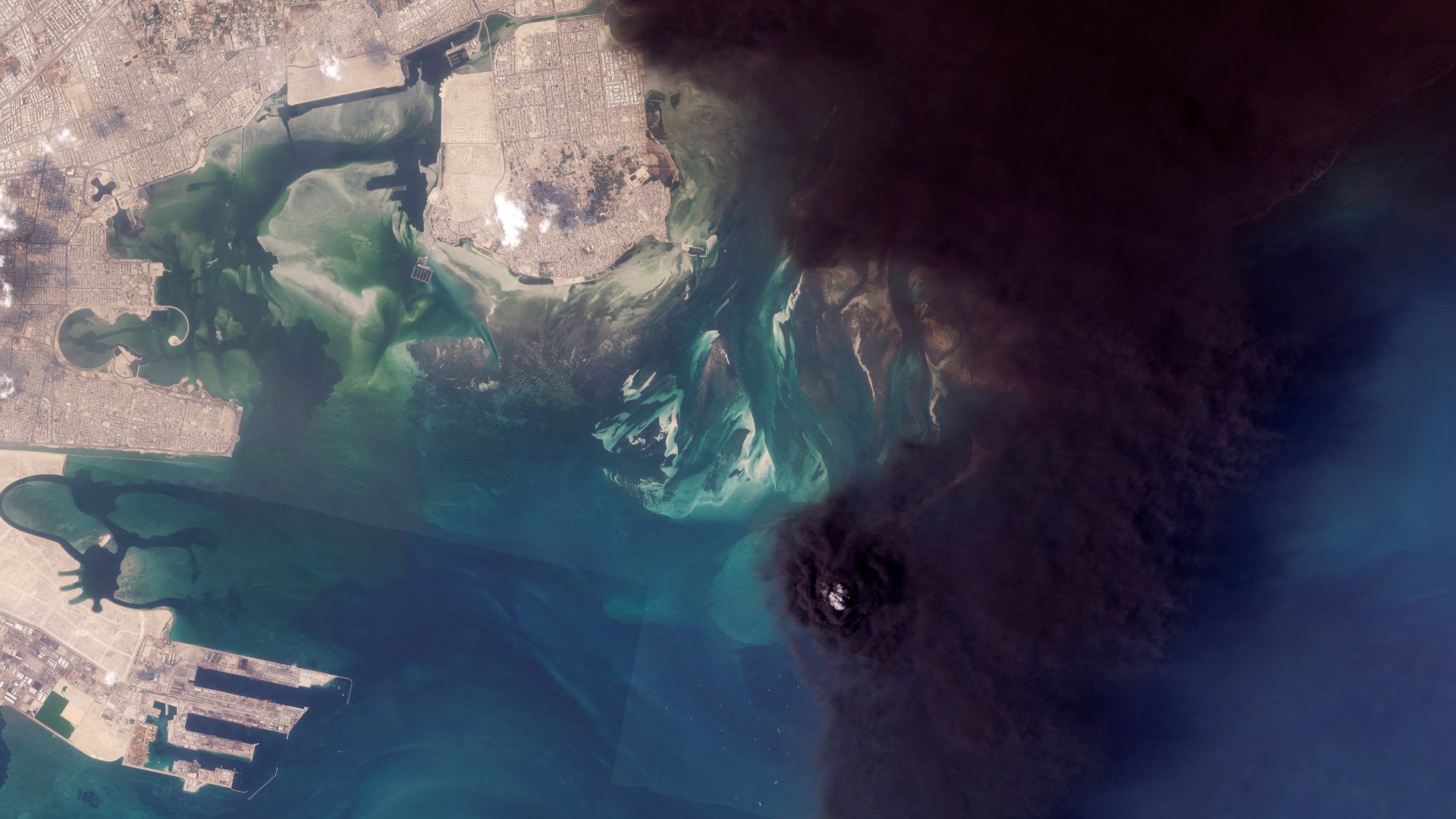
TEHRAN / DOHA / JAKARTAIran's Islamic Revolutionary Guard Corps (IRGC) claimed on Wednesday (Nov 25) evening that a vessel carrying liquefied natural gas (LNG) struck a naval mine and caught fire in the Strait of Hormuz. Carried by Iranian state media, the announcement followed earlier reports from Iran's army and the semi-official Fars news agency that two oil tankers exploded after entering an unauthorized corridor.
What did Iran claim about naval mines in Hormuz?
Reuters said it could not independently verify the latest Iranian claims regarding the burning LNG carrier. According to the IRGC Navy, the vessels came into contact with naval mines while attempting to transit the strategic chokepoint without coordinating passage with Iranian forces.
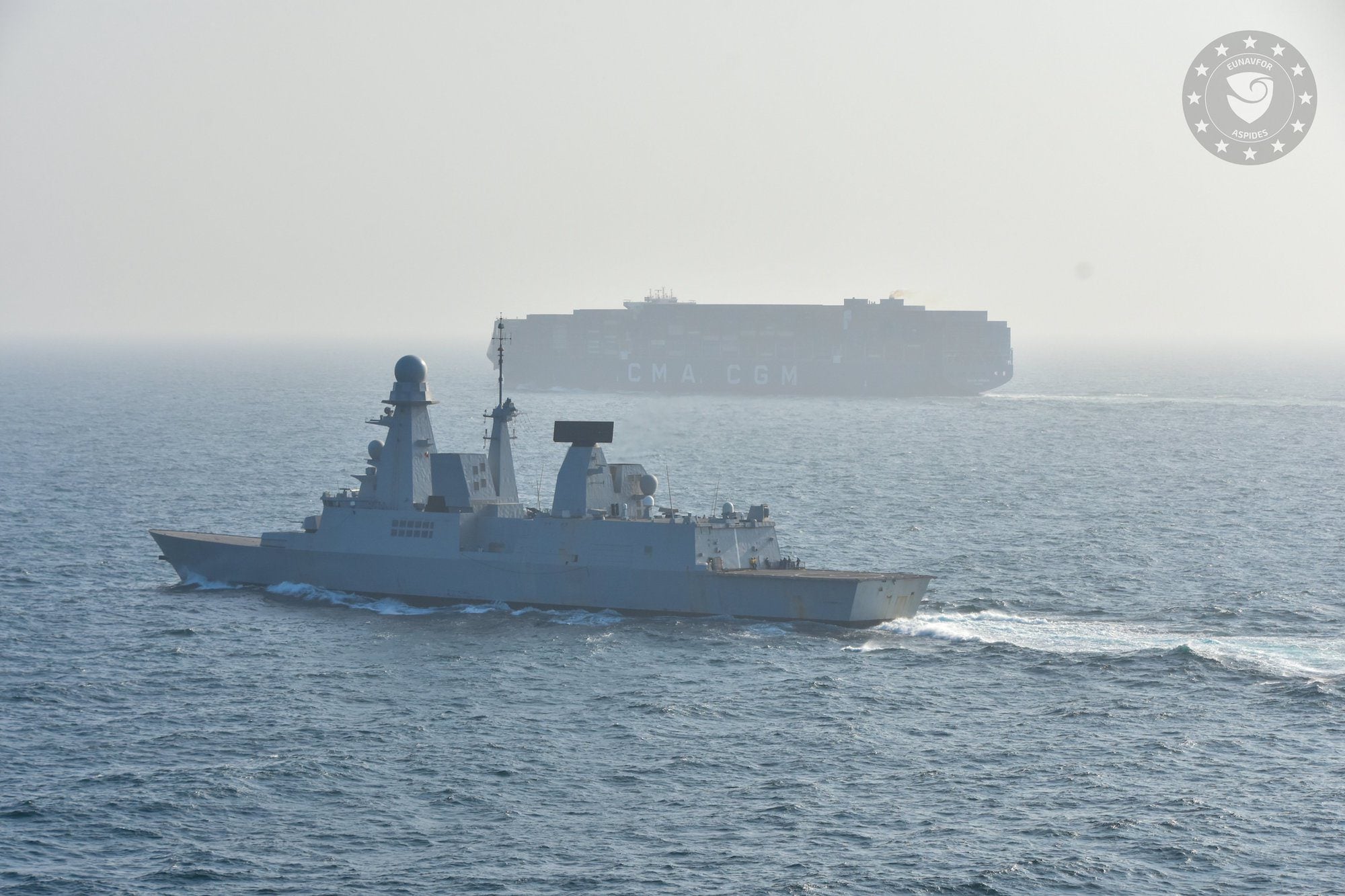
In a separate statement on Wednesday, Iranian military spokesperson Mohammad Akraminia said Tehran had deployed new surveillance hardware and upgraded existing maritime monitoring systems across the waterway. He warned commercial operators that uncoordinated transits face heightened mine risks in restricted zones.
What are Tehran's terms to reopen the Strait of Hormuz?
Alongside the military warnings, Tehran relayed conditional de-escalation terms to Washington through Qatari mediators. Iranian officials told the United States they are prepared to reopen normal commercial navigation through the Strait of Hormuz within 48 hours if Washington lifts its naval blockade on Iranian ports and ends hostilities across all fronts.

Mounting threats from Hormuz to the Red Sea have accelerated broader maritime defense planning. Earlier this month in Madagascar, signatories to the Djibouti Code of Conduct and Jeddah Amendment backed by the International Maritime Organization (IMO) agreed to advance a Combined Maritime Task Force to safeguard seafarers and commercial energy lanes across the Western Indian Ocean and Red Sea.
How does a Hormuz bottleneck affect Indonesia's energy?
For Indonesia, prolonged chokepoint disruption in the Strait of Hormuz carries direct stakes for energy security and fiscal stability. Longer tanker rerouting and rising war-risk insurance premiums threaten shipping schedules for PT Pertamina International Shipping while swelling state fuel subsidy pressures if Brent crude holds above $90 per barrel alongside a softer rupiah.