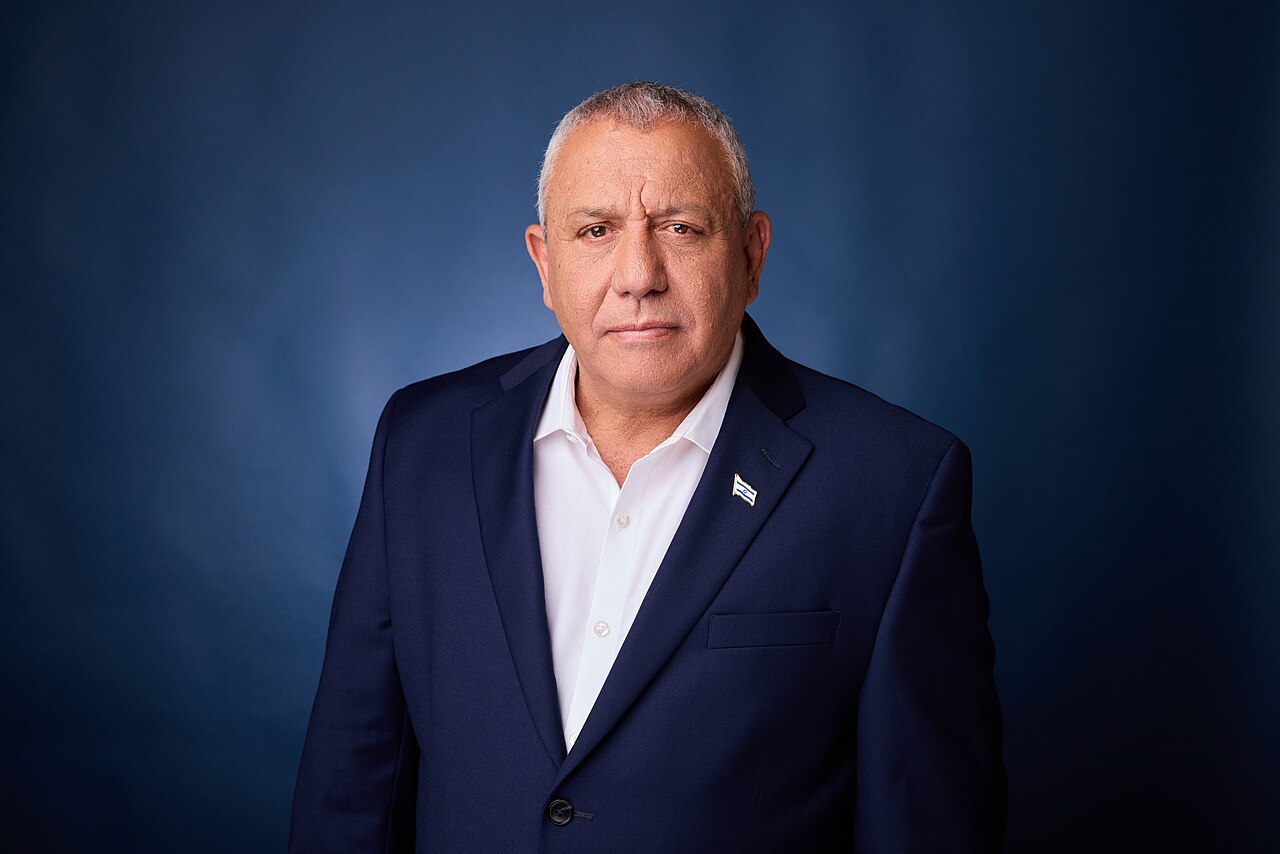
JERUSALEMIsraeli opposition leader and prime minister-designate Gadi Eisenkot said on Monday (Nov 23, 2026) that he opposes launching military strikes against Iran before a new government is formed. Addressing a Yashar party meeting, the former military chief declared he sees no direct and immediate Iranian threat requiring unilateral action during the political transition.
Why does Gadi Eisenkot oppose striking Iran right now?
Eisenkot told reporters Israel's gravest long-term danger from Tehran is its estimated 440-kilogram stockpile of enriched uranium, urging a focus on that challenge rather than premature escalation, The National and CNN Indonesia reported. He called on caretaker Prime Minister Benjamin Netanyahu to avoid dangerous moves that can wait, prompting Netanyahu to retort that Iranian threats are real and critics downplay them for political gain.
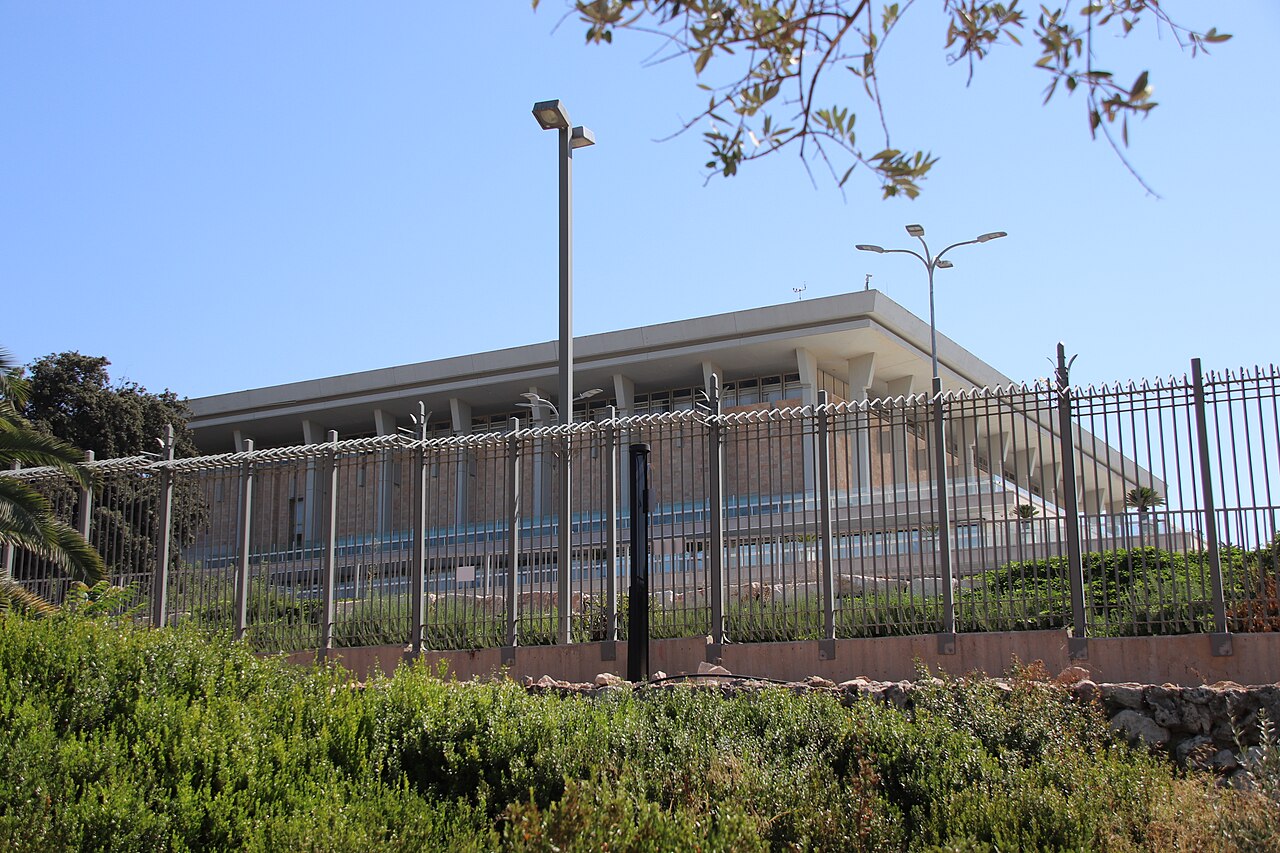
The public clash followed more than four hours of inconclusive unity talks on Sunday between Eisenkot's Yashar party and Netanyahu's Likud after October's deadlocked election. Israeli media reports cited by The National indicated negotiators avoided deciding who would take the premiership first and instead clashed over ultra-Orthodox military conscription, judicial changes, and a state inquiry into the October 7, 2023 attacks.
How long does Eisenkot have left to form an Israeli government?
President Isaac Herzog granted Eisenkot a 42-day mandate on November 8, leaving 27 days to secure a parliamentary majority. According to Anadolu Agency and CNN Indonesia, Knesset Foreign Affairs and Defense Committee chair Avigdor Lieberman warned any unilateral strike during the transition would be illegal, while opposition figure Yair Golan accused parties seeking a unity deal with Netanyahu of betraying voters.

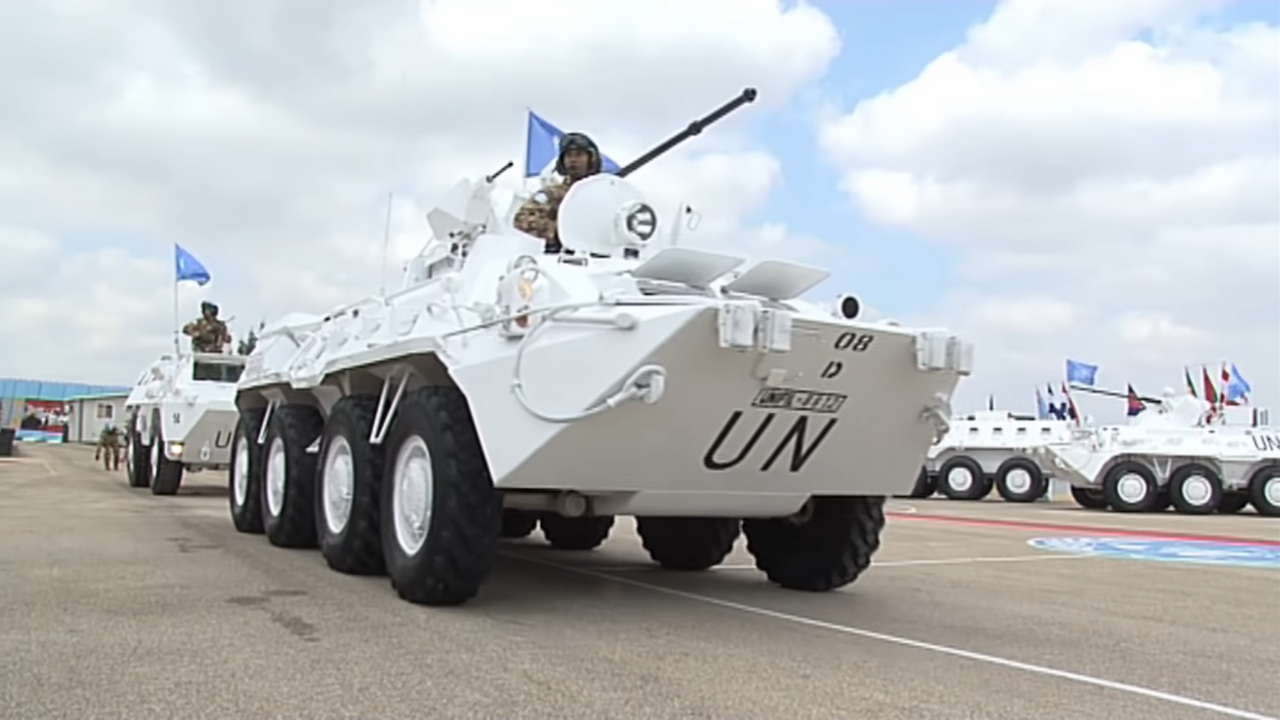
Earlier, AIGOS News reported Netanyahu had pressed US President Donald Trump to authorize strikes on Iran while fighting widened to Yemen's Hodeida port, whereas Trump delayed new military action to pursue a permanent nuclear deal. Meanwhile, UNIFIL peacekeepers in southern Lebanon began handing over posts to Lebanese forces ahead of their December 31, 2026 mandate expiration.
What do Israeli-Iranian tensions mean for Indonesian troops and oil?
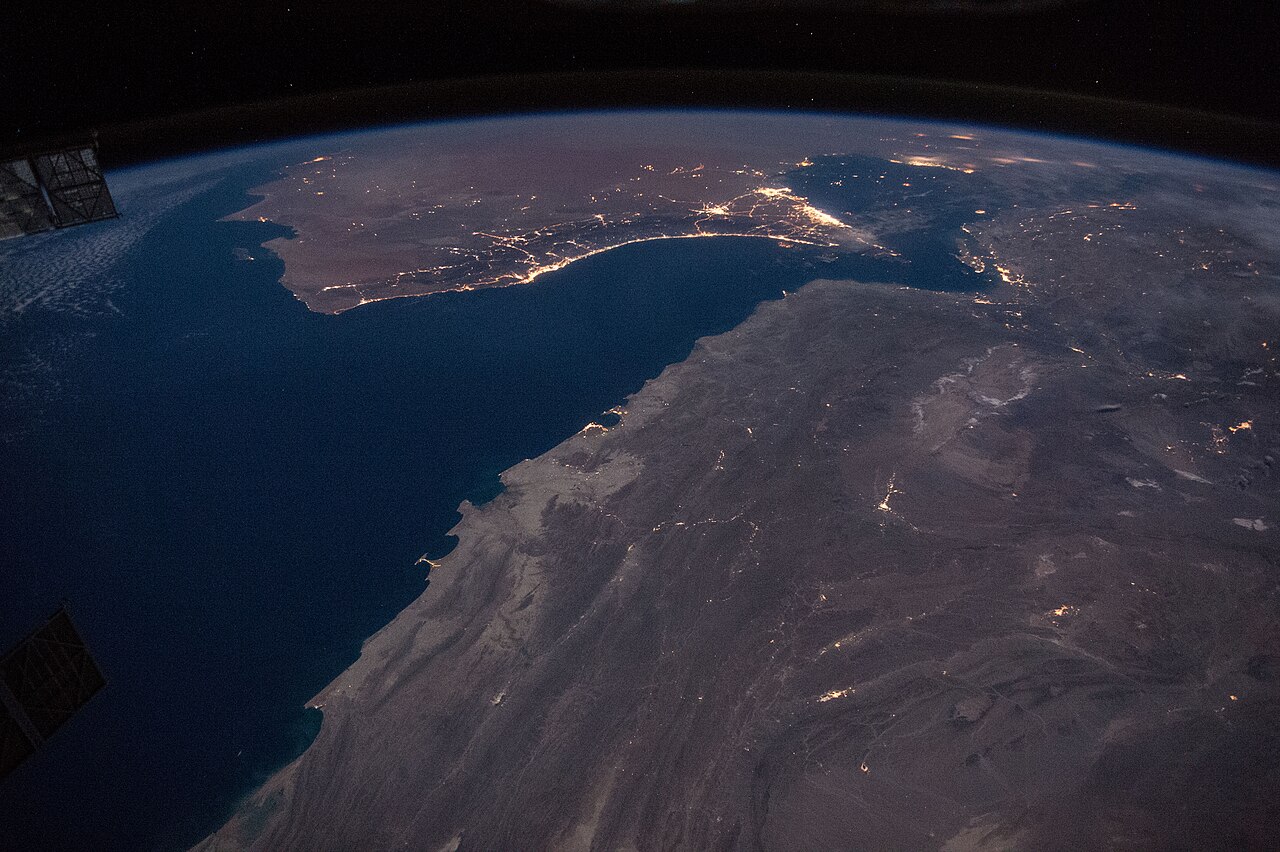
Why it matters for Indonesia: any shift toward renewed Israeli-Iranian strikes directly affects the safety of 744 Indonesian TNI peacekeepers serving in UNIFIL in southern Lebanon and strains Indonesia's energy import security. With Strait of Hormuz and Red Sea shipping risks persisting, Energy Minister Bahlil Lahadalia proposed on Monday that Indonesia host a joint ASEAN oil reserve hub, as domestic demand of 1.6 million barrels per day outpaces 600,000 bpd output and requires up to 1 million bpd in imports.