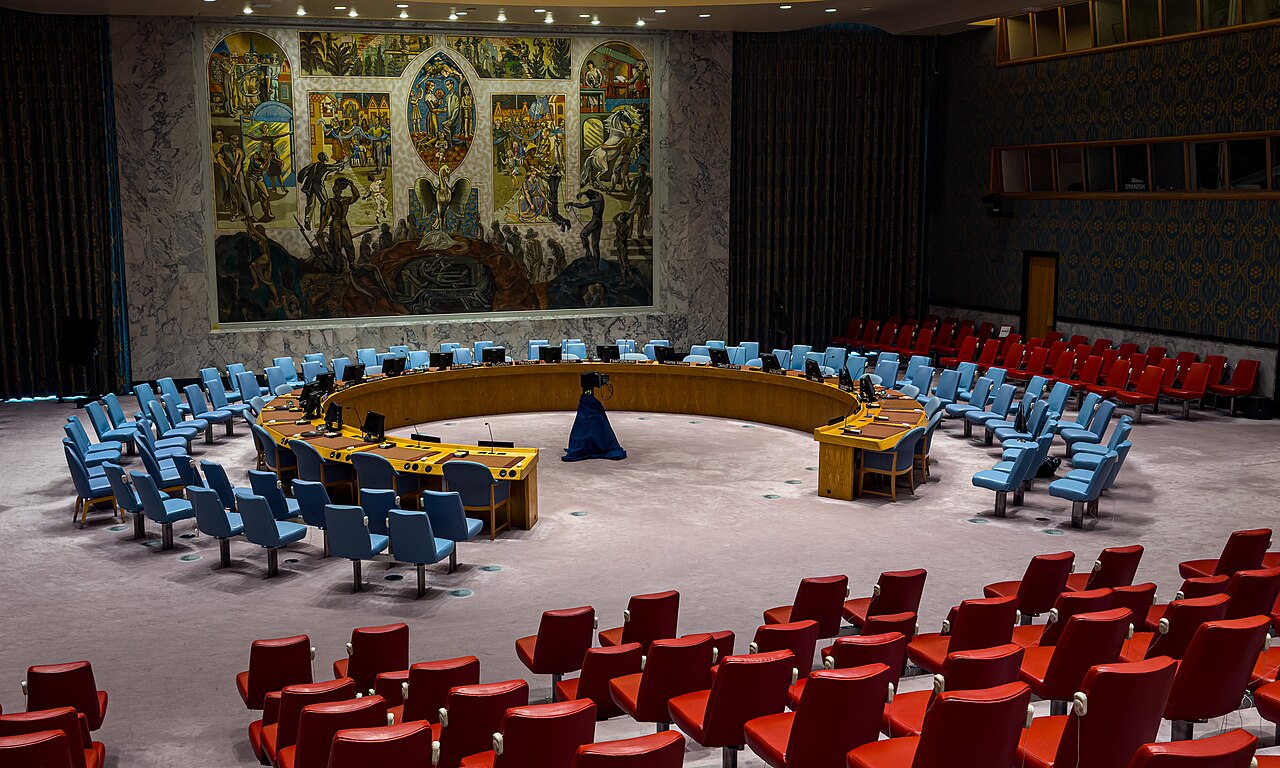
NEW YORKRussia ruled out reviving a Black Sea grain export agreement during a contentious United Nations Security Council briefing on Monday, November 23, 2026. The clash between Moscow and Kyiv centered on escalating attacks against commercial vessels and Ukraine's power infrastructure ahead of winter.
Why did Moscow reject reviving the Black Sea grain deal?
Moscow rejected any new grain arrangement on the grounds that the prior scheme functioned as Ukrainian food in exchange for Western weapons. Russia's envoy alleged needy nations received just 3 percent of exported grain while up to 70 percent went to European Union and Western markets, and accused Ukrainian forces of targeting over 200 commercial vessels since July, killing or wounding 12 seafarers.
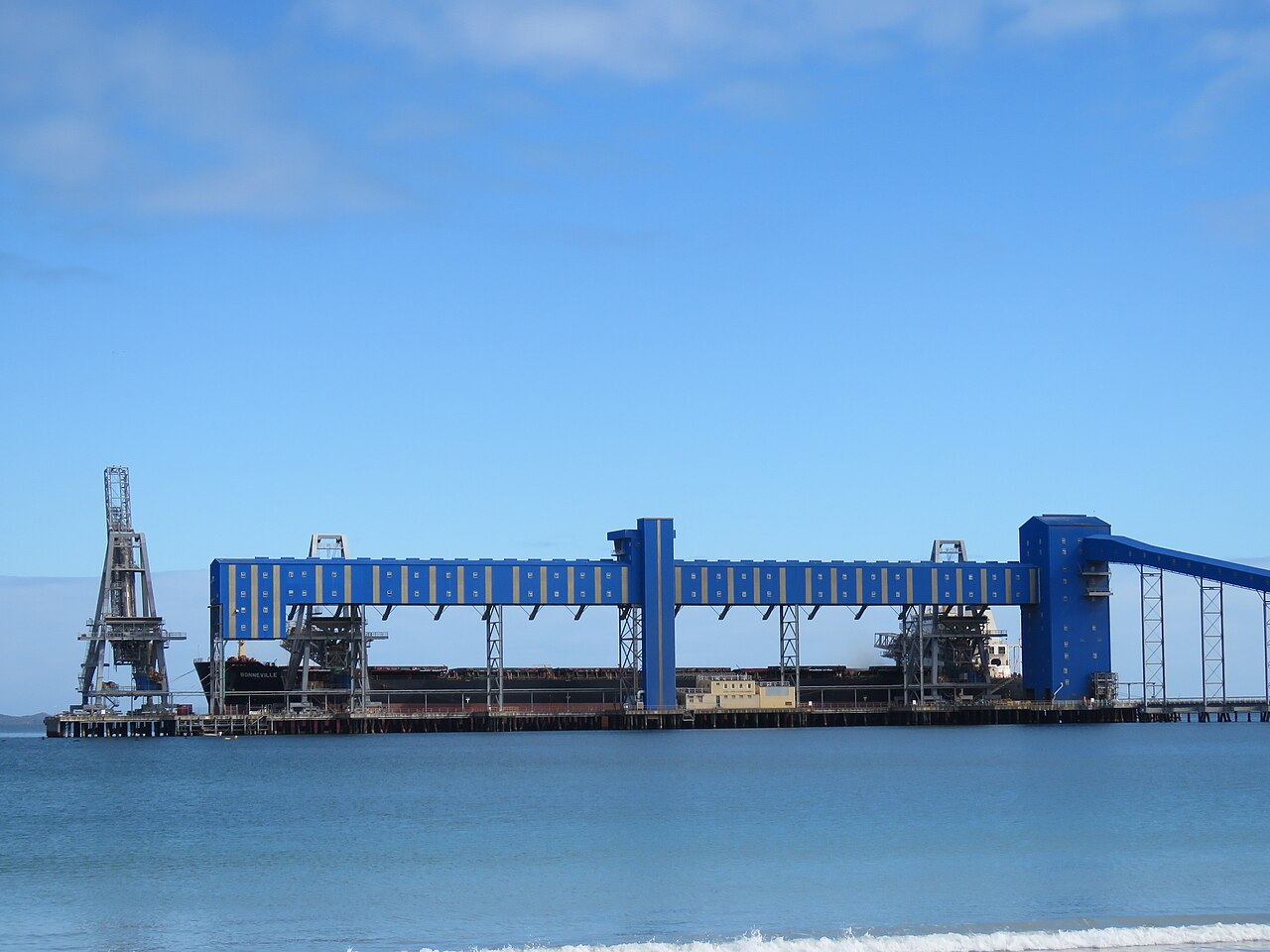
Defending its operations, Russia claimed it strikes only military-logistics ships and dual-use sites while supplying food to 160 countries. Ukraine's representative rejected the accusations as distortion, alleging Moscow operates a shadow fleet to export looted Ukrainian grain while urging global buyers not to purchase seized agricultural cargoes.
How severe are strikes on Ukraine's grid and merchant ships?
Strikes on Ukraine's energy system and civilian vessels have intensified markedly, leaving hundreds of thousands without reliable electricity. Kyiv reported daily Russian grid attacks since mid-July damaged nearly every power plant and over 800 energy equipment units, while November barrages shut three thermal plants, plunged over 850,000 people into darkness, and cut external power to the Zaporizhzhia nuclear plant for a 28th time.

Kyiv also documented 89 attacks on civilian ships between June and August compared with 25 across all of 2025, prompting appeals for Patriot PAC-3 interceptors alongside €2.4 billion ($2.6 billion) raised from 41 energy-fund donors. Washington urged an immediate halt to strikes on energy grids, civilian ports, food sites, and merchant shipping to build on four-pillar peace talks held in Abu Dhabi.
What the Standoff Means for Indonesia's 10.8M-Ton Wheat Imports
The Black Sea impasse matters directly to Indonesia's food industry, which relies on imported wheat for everyday staples including noodles, bread, and biscuits. EU Ambassador Herve Delphin and Irish Ambassador Sharon Lennon noted Indonesia imported about 10.8 million tons of wheat and meslin in 2025, including nearly 870,000 tons from Ukraine after 2.4 million tons in 2024, though higher USDA 2025/2026 global ending stocks of 278.3 million tons help Indonesia diversify toward US, Australian, Canadian, and Argentine grain.