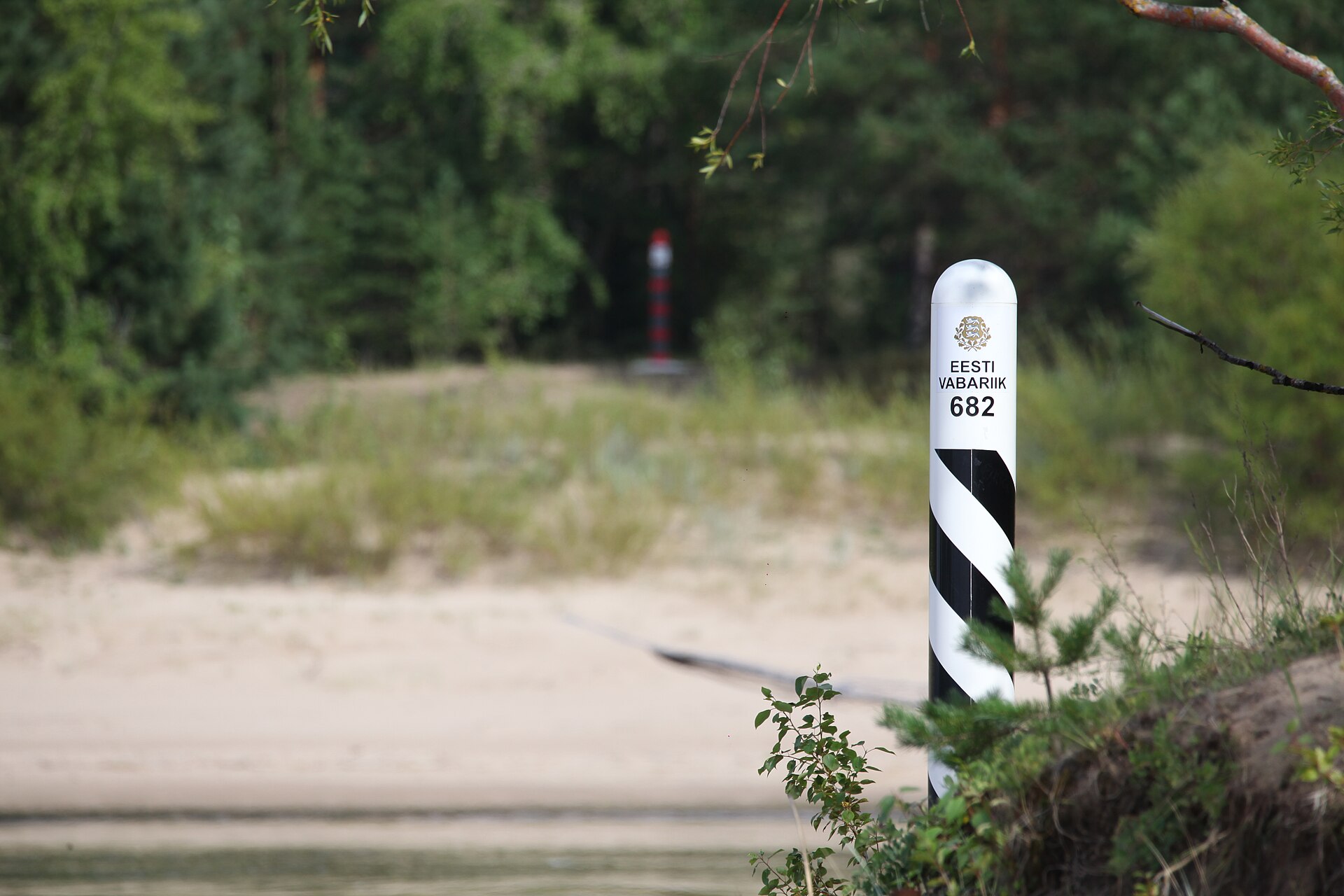
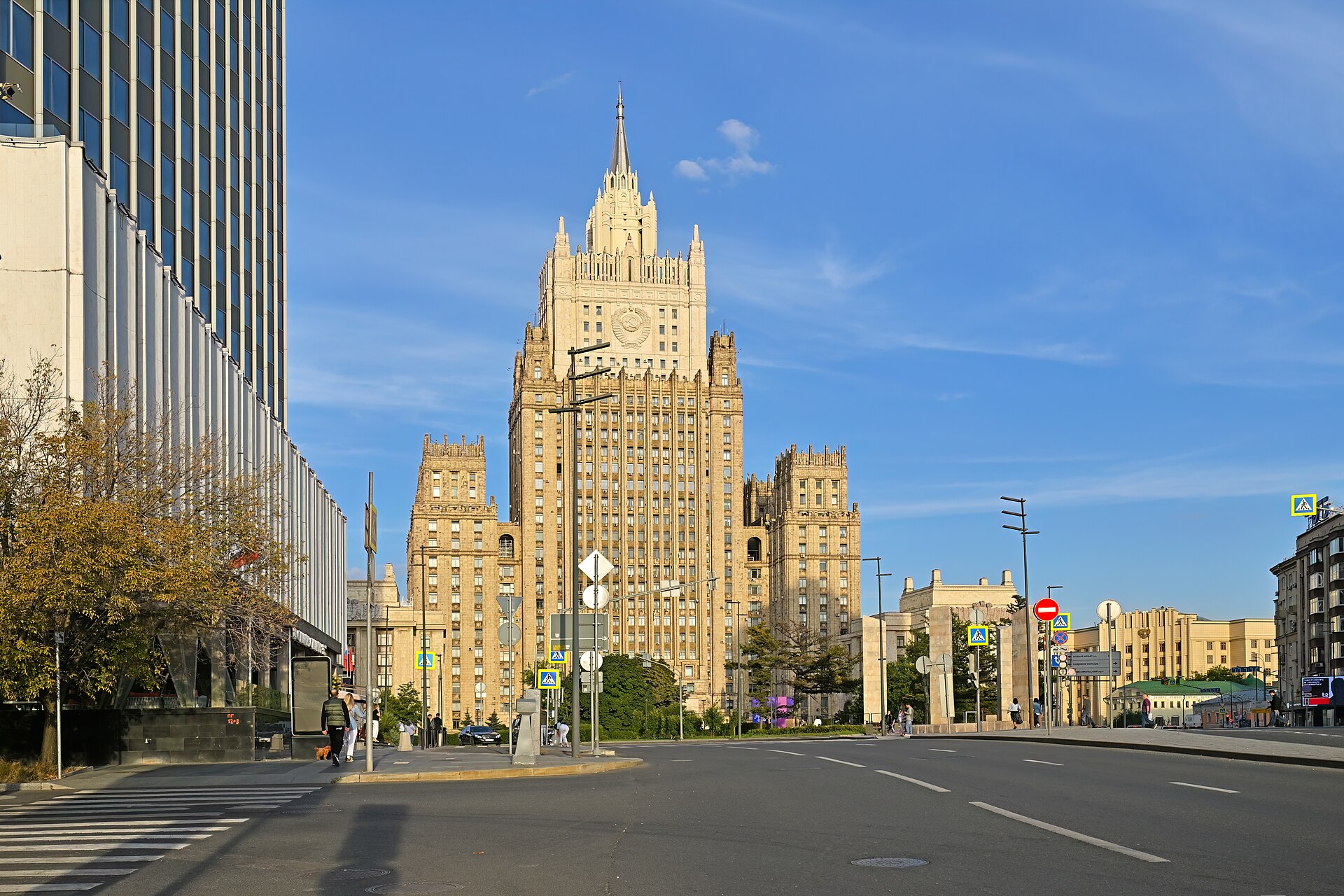
MOSCOWRussia's Foreign Ministry summoned Estonian Charge d'Affaires Marek Uhtegi in Moscow on Monday, November 23, 2026, to protest Tallinn's planned closure of land crossings along their shared frontier. In a sharply worded statement, Russian officials accused the Baltic nation of provocative actions bringing the region to the brink of open war.
The diplomatic confrontation follows Estonia's announcement that it will suspend vehicle traffic across border posts with Russia—including Narva-1, Narva-2, Koidula, Luhamaa, and Saatse—for at least six months starting December 1. Estonian security agencies linked the shutdown to a foiled arson plot against local defense manufacturer Threod Systems allegedly directed by Russian intelligence.
What did Moscow accuse Estonia of in the Baltic Sea?
Moscow accused Tallinn of tacitly allowing Ukrainian drones through its airspace to attack northwestern Russia and attempting to obstruct Russian cargo vessels in the Baltic Sea. The Russian ministry also cited Estonia's ban on Russian and Belarusian grain transit and warned that border restrictions would backfire against European Union and NATO allies.
Estonia's Foreign Ministry rejected those allegations on Monday, stating it has never permitted and will never permit its territory to be used for military operations by another country. Prime Minister Kristen Michal and Defense Minister Martin Herem backed the December 1 closure as a defensive necessity against escalating hybrid threats during the fifth year of Russia's war in Ukraine.
NATO response from Berlin as eastern flank tensions rise
Speaking in Berlin, NATO Secretary-General Mark Rutte confirmed the alliance is closely monitoring developments in Estonia alongside a recent Russian missile incursion into Polish airspace. Kyiv has separately attributed stray drone crossings over NATO territory to Russian electronic signal jamming rather than deliberate Ukrainian routing.

Why it matters for Indonesia: escalating friction over Baltic Sea cargo lanes and Russian-Belarusian grain transit raises fresh shipping and food-commodity uncertainty across northern Europe. Moscow's warning of economic blowback for European Union states comes just two days after Jakarta and Brussels signed the IEU-CEPA trade deal on November 21—eliminating tariffs on 90.4 percent of Indonesian export lines—while Indonesia and Estonia prepare a bilateral digital-government agreement.