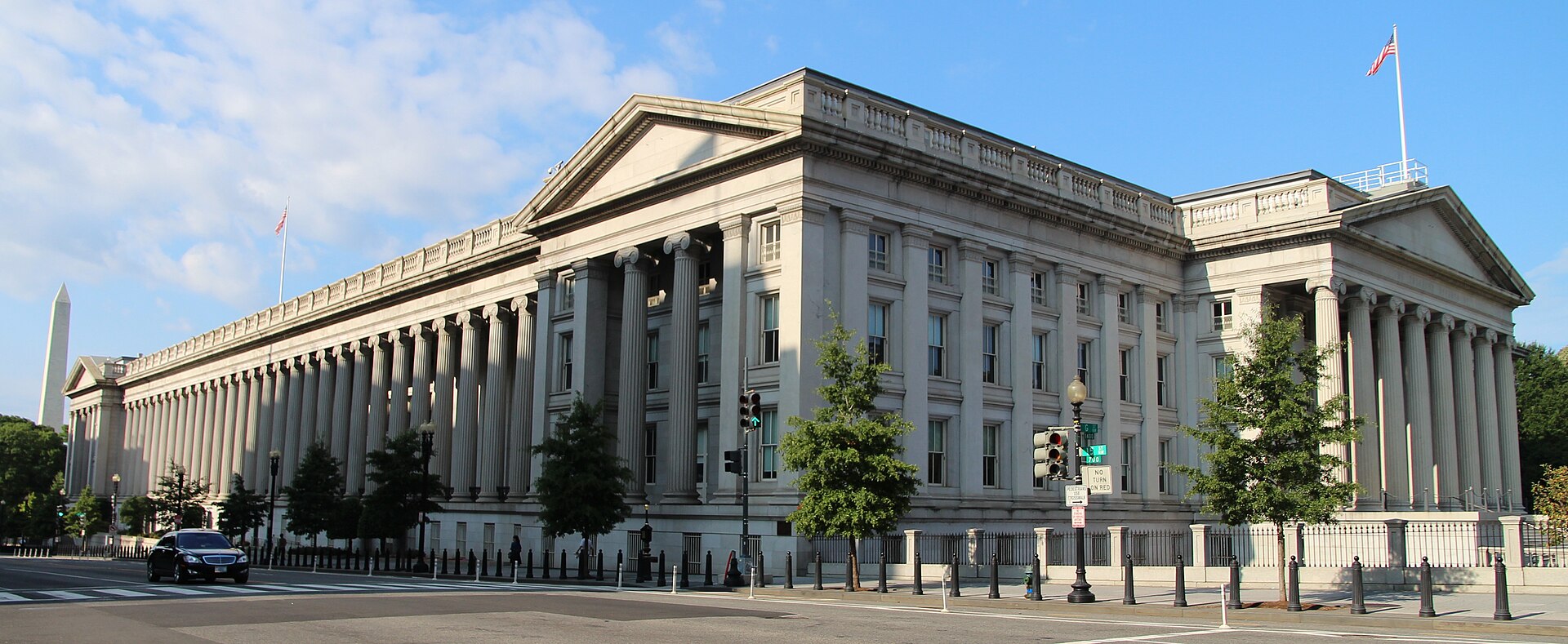
WASHINGTONThe United States imposed sweeping sanctions on more than two dozen Iranian exchange houses, shell firms, and executives on Monday, November 23, 2026, in a new push to choke off Tehran's foreign currency channels. Announced under Operation Economic Outcast, the penalties span intermediaries operating across Iran, the United Arab Emirates, Turkiye, and Hong Kong.
Alongside the designations, the Treasury Department's Financial Crimes Enforcement Network (FinCEN) published a Financial Trend Analysis identifying roughly $14.7 billion in suspicious activity between January 2025 and August 2026. U.S. officials say the funds moved through multi-jurisdictional front companies designed to keep Iran's sanctioned oil and trade payments flowing.
How does Iran's shadow banking network operate?
Iran's shadow banking architecture operates under Central Bank of Iran oversight through domestic currency dealers and bank-linked affiliates known as rahbar firms that clear trade outside dollar channels. Monday's designations freeze U.S.-linked assets of Rahbar Bazargani Nesim Baharan Qeshm Company, Fashki Exchange, Mellat Exchange Company, and the Iran Center for Exchange of Currency and Gold.
Treasury Secretary Scott Bessent described the clandestine network as Tehran's last financial lifeline and pledged continued enforcement against intermediaries handling Iranian funds. Officials also targeted Dubai-based trading houses including OGA Global General Trading and Gespl International General Trading over alleged payments supporting Iran's national oil company and state tanker fleet.
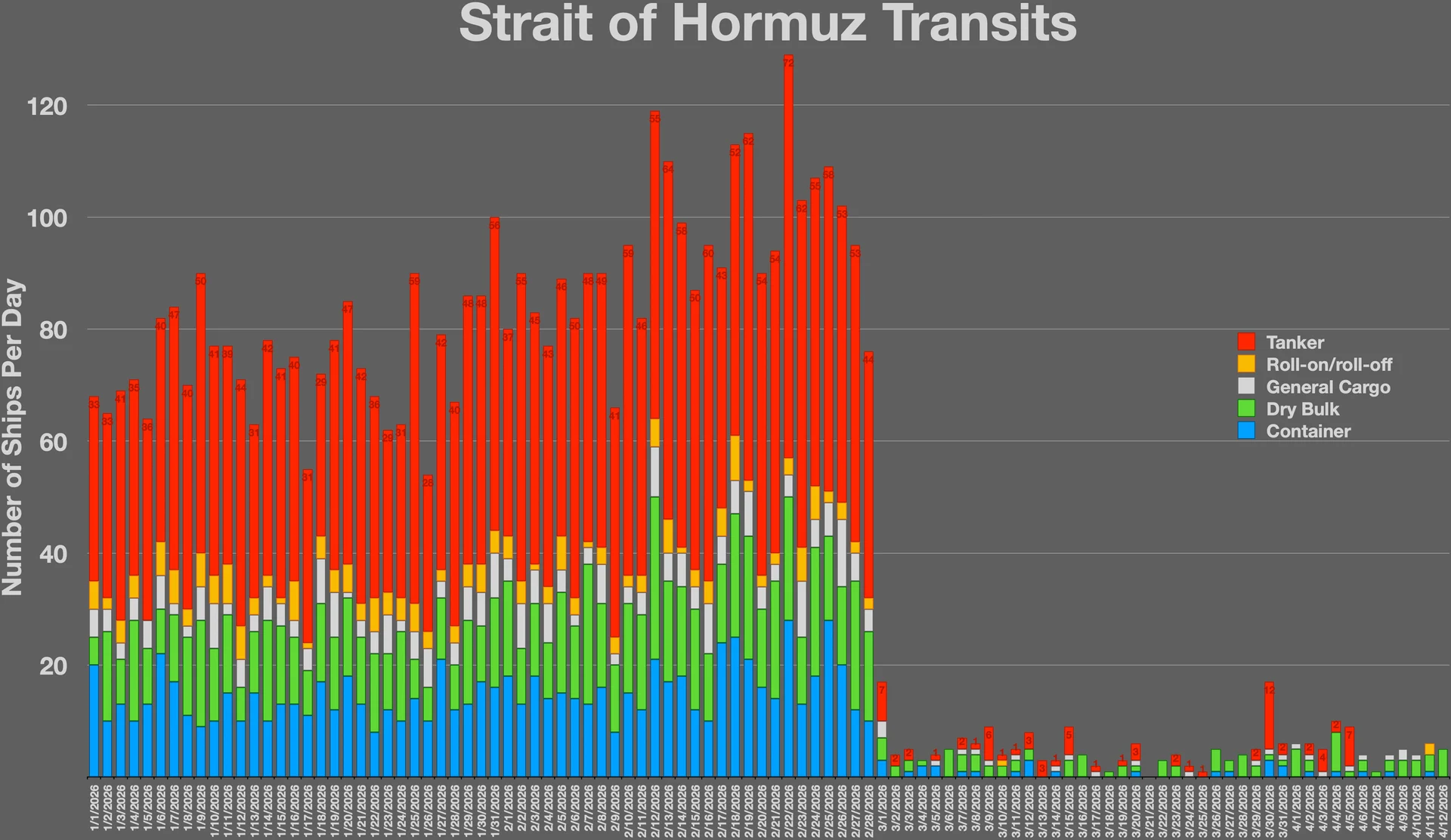
Diplomacy deadlock and Strait of Hormuz oil risks
The financial offensive unfolds nine months into the U.S.-Iran conflict as Iranian Foreign Minister Abbas Araghchi signaled openness to diplomacy while President Donald Trump warned of renewed military strikes after the new year. Regional shipping risks have also flared after sea mines struck two oil tankers near the Strait of Hormuz, even as Brent crude eased from recent highs ahead of a November 29 OPEC+ output meeting.
Why it matters for Indonesia: renewed sanctions and Middle East escalation threaten to lift Brent crude above its $92.57 per barrel level, directly squeezing Indonesia's fiscal buffer and currency stability. With the rupiah softening to Rp18,280 per U.S. dollar on Monday morning and 2026 energy subsidies already reaching Rp415.8 trillion by October, Brent prices far above Indonesia's $70 budget assumption keep Pertalite's unsubsidized cost near Rp18,102 per liter against its Rp10,000 pump cap.