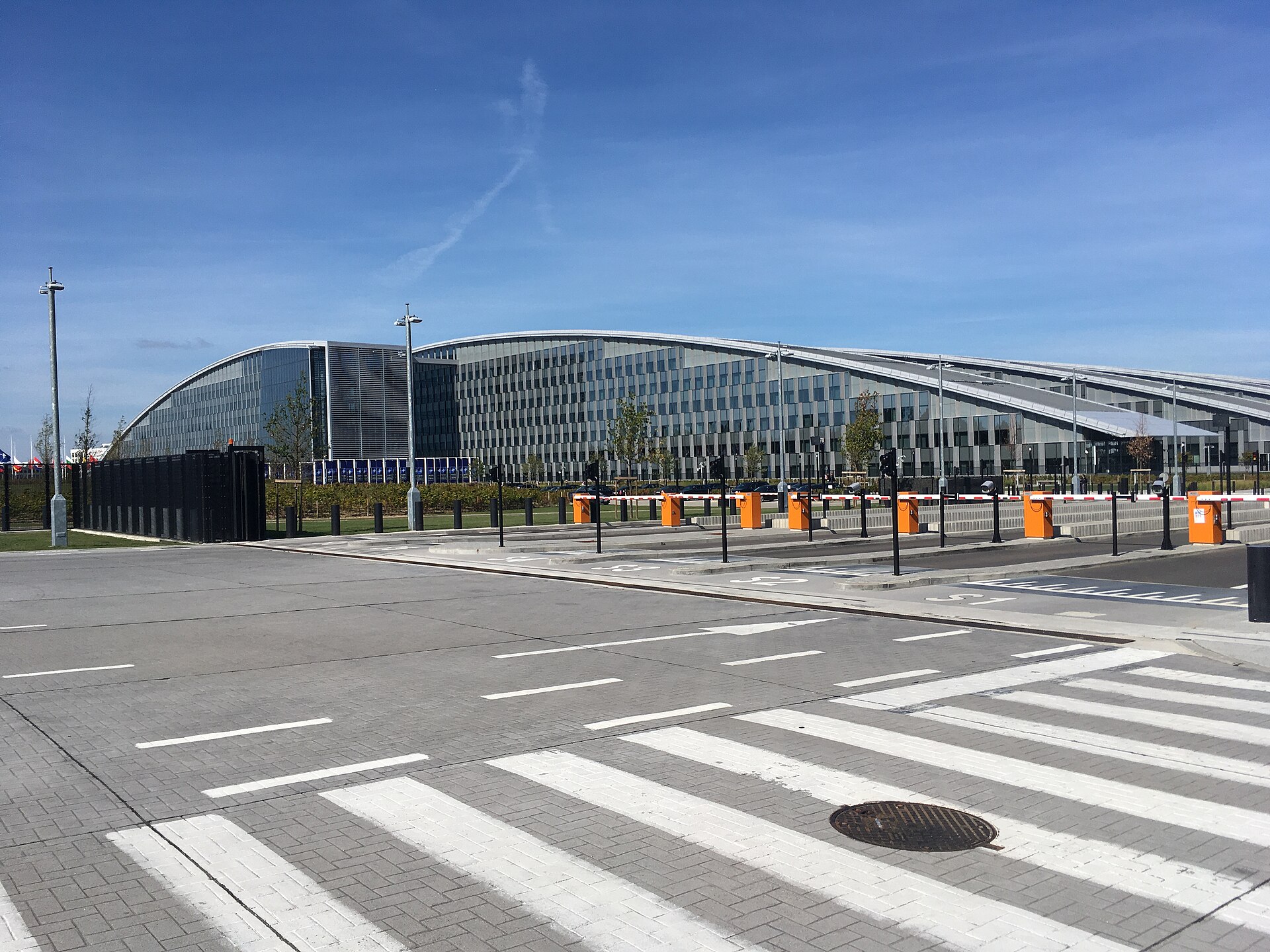
BERLINNATO Secretary General Mark Rutte urged allied governments in Berlin to prepare ordinary civilians alongside armed forces for potential conflict with Russia, just as Brussels unveiled a sweeping 22nd sanctions package cutting scores of Moscow lenders out of global finance. Addressing the 72nd Annual Session of the NATO Parliamentary Assembly on November 23, 2026, Rutte projected that member nations could manufacture around 4 million artillery shells next year—nearly double 2025 levels—while confirming space capabilities fall under NATO's collective defense pledge.
Why is NATO urging civilians to prepare for war?
Rutte argued modern deterrence demands whole-of-society mobilization connecting private companies, civic institutions, emergency responders, and households. He held up Norway, Sweden, Denmark, and Finland as benchmarks where residents know their duties during wartime and police, ambulance, and fire crews coordinate directly with military planners. Warning that Russia's war economy is expanding at full tilt, Rutte stressed that Moscow's military threat will persist even if active fighting in Ukraine eventually stops.
Events in Kyiv underscored that air-defense warning within hours. As British Defense Secretary Wes Streeting delivered remarks on Ukrainian air-defense shortages at the British Embassy on Monday, a Russian drone explosion interrupted him mid-sentence. According to The Telegraph via UNITED24 Media, the strike hit the courtyard of an apartment block and restaurant complex on Arkhitektora Horodetskoho Street, roughly a ten-minute walk from the diplomatic compound near central government offices.
Inside the EU's 22nd sanctions package on Russian banks
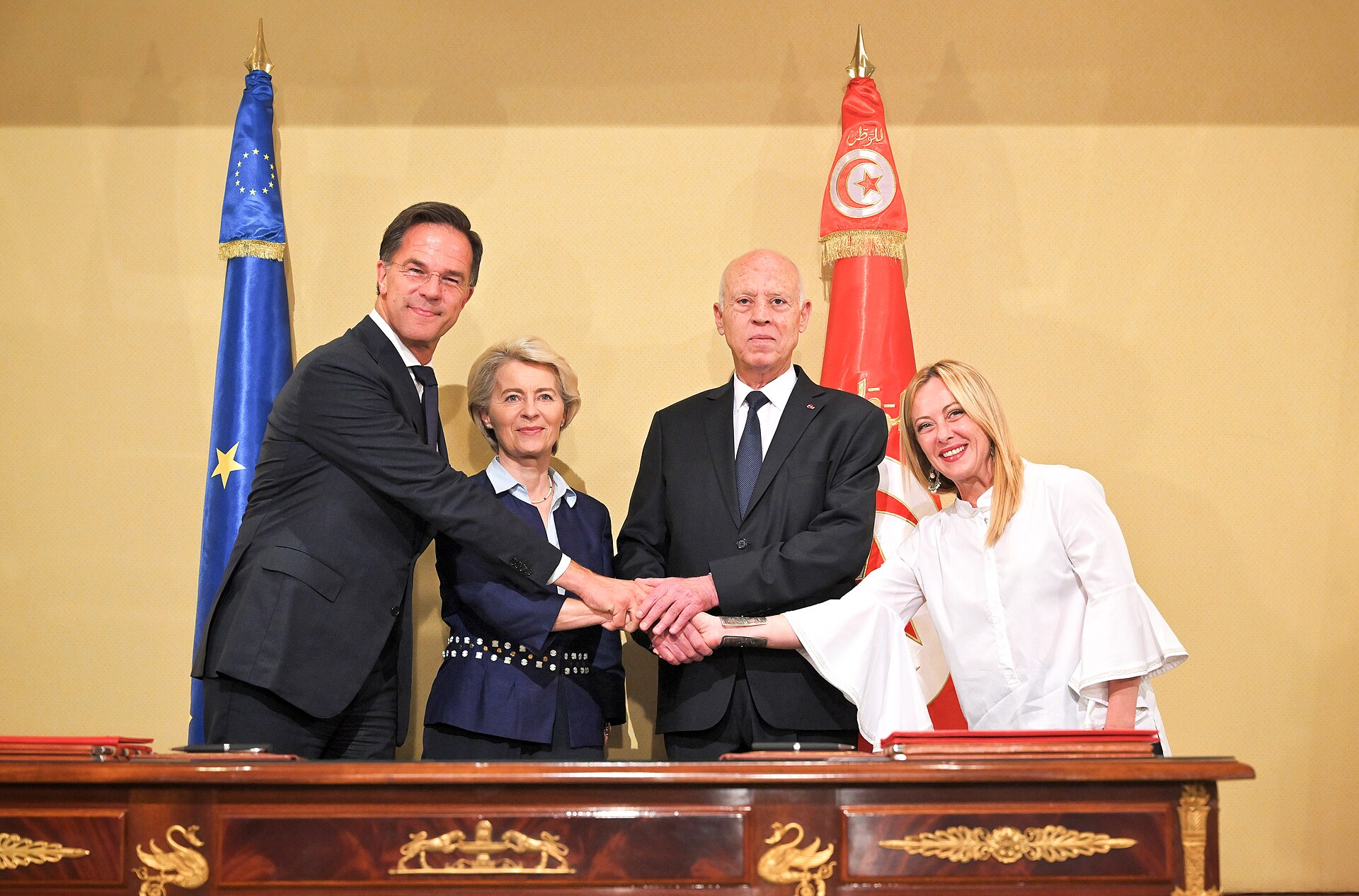
In Brussels the same day, European Commission President Ursula von der Leyen presented the EU's 22nd Russia sanctions proposal aimed at choking off evasion routes. The draft extends transaction bans to roughly 60 Russian banks, expelling all of them from the SWIFT messaging network, and introduces a Crypto Sanctions Task Force targeting third-country payment networks. It also blacklists more than 70 additional shadow-fleet ships and proposes banning all tankers carrying Russian insurance.

Pending unanimous approval by all 27 EU member states, the package would forbid European firms from servicing Russia's electricity sector for the first time, on top of oil and gas restrictions. Brussels additionally moved to ban visas for Russian former combatants over covert security threats inside Europe, bar EU citizens from executive posts in Russian companies, and prohibit Russian national flags, teams, and corporate sponsorships across EU sporting and cultural events.
How do new Russia sanctions impact Indonesia's economy?
For Indonesia, severing another 60 Russian banks from SWIFT and cracking down on shadow-fleet oil tankers adds friction to international trade settlements, marine insurance rates, and commodity costs. With Brent crude holding near $92.57 a barrel and the rupiah opening softer at Rp18,280 per dollar on Monday amid external pressure, sustained supply-chain disruption risks feeding higher freight bills for imported wheat and agricultural fertilizer alongside heavier domestic energy subsidy outlays.