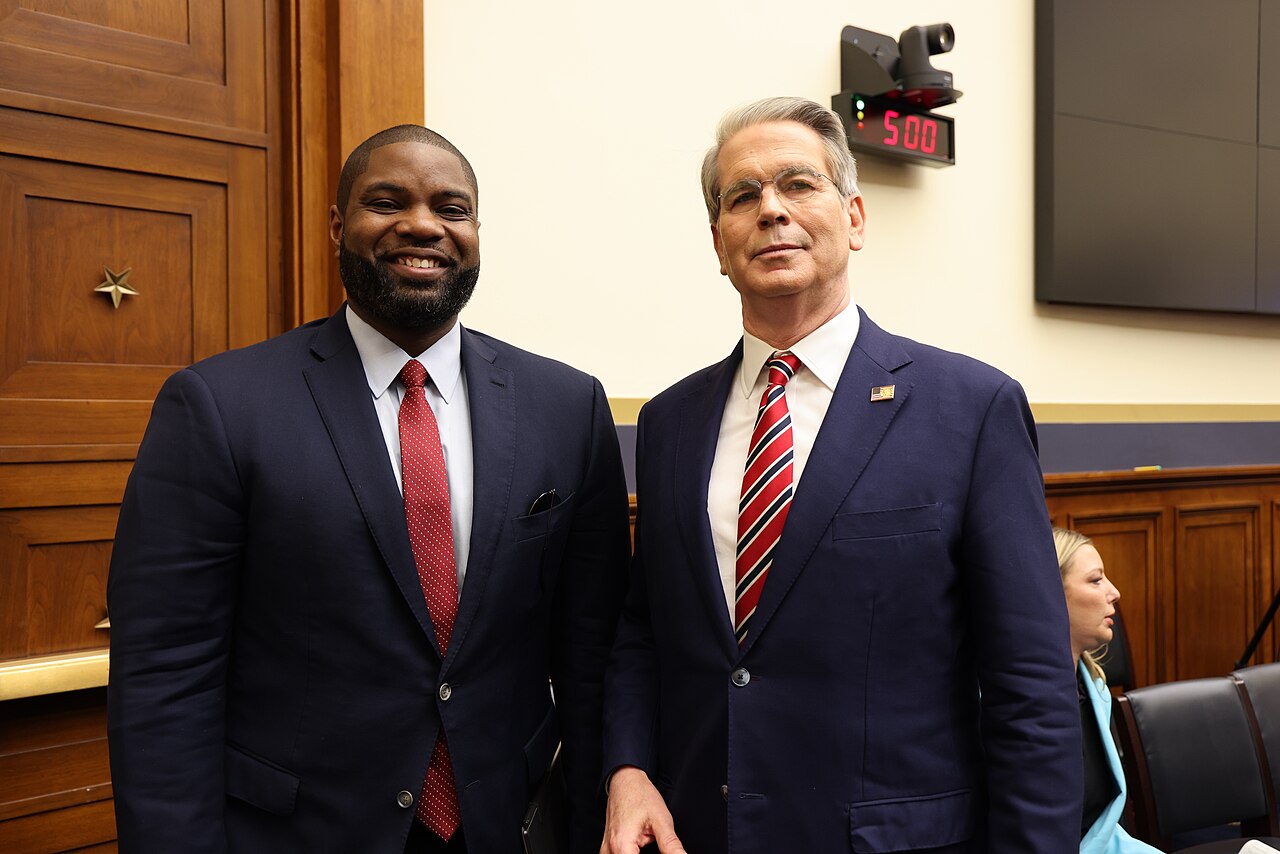
WASHINGTONUnited States Treasury Secretary Scott Bessent confirmed he remains living on a US military base about two weeks after security threats linked to Iran prompted heightened protection in the Washington area. Having left his private residence in early November 2026, Bessent said he continues directing Washington's financial squeeze on Tehran.
Why did Scott Bessent relocate to a US military base?
Bessent relocated under US Secret Service guidance after an October 23 memo from National Intelligence Director Jay Clayton—reiterated at a November 18 congressional hearing—warned Iranian plots against US officials had reached a more advanced stage. The Guardian and Kontan reported security concerns intensified after The Wall Street Journal published an aerial photograph of Bessent's $12.5 million Georgetown home, enabling geolocation.
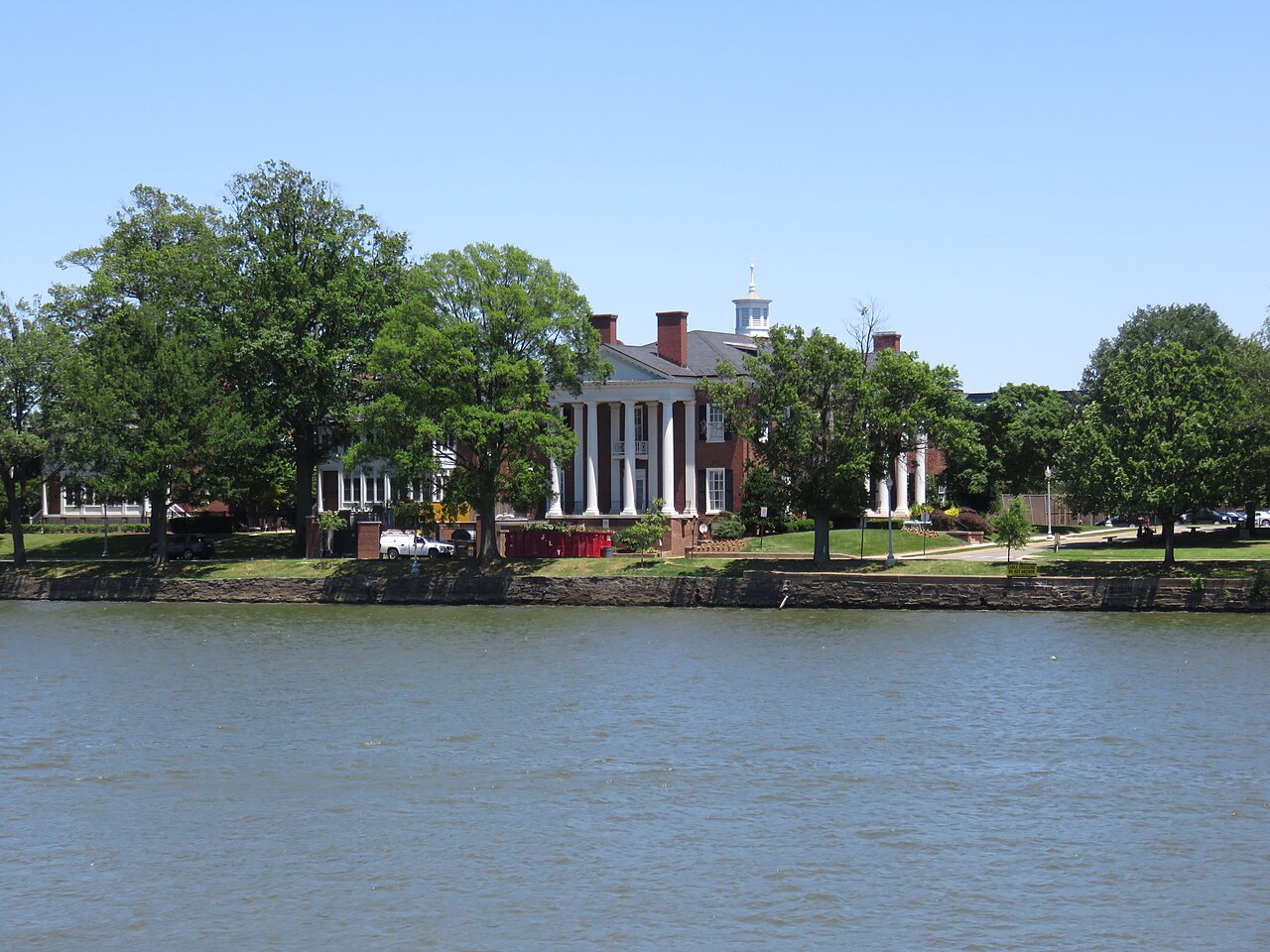
Bessent joins several senior Trump administration figures using military housing around Washington, including Secretary of State Marco Rubio and Defense Secretary Pete Hegseth at Fort McNair's Generals Row, CNN Indonesia reported citing Military. White House Chief of Staff Stephen Miller moved into military housing in September 2025, Attorney General Todd Blanche relocated in early 2026, and former DHS chief Kristi Noem used Joint Base Anacostia-Bolling.
What is Bessent's role in Operation Economic Outcast against Iran?
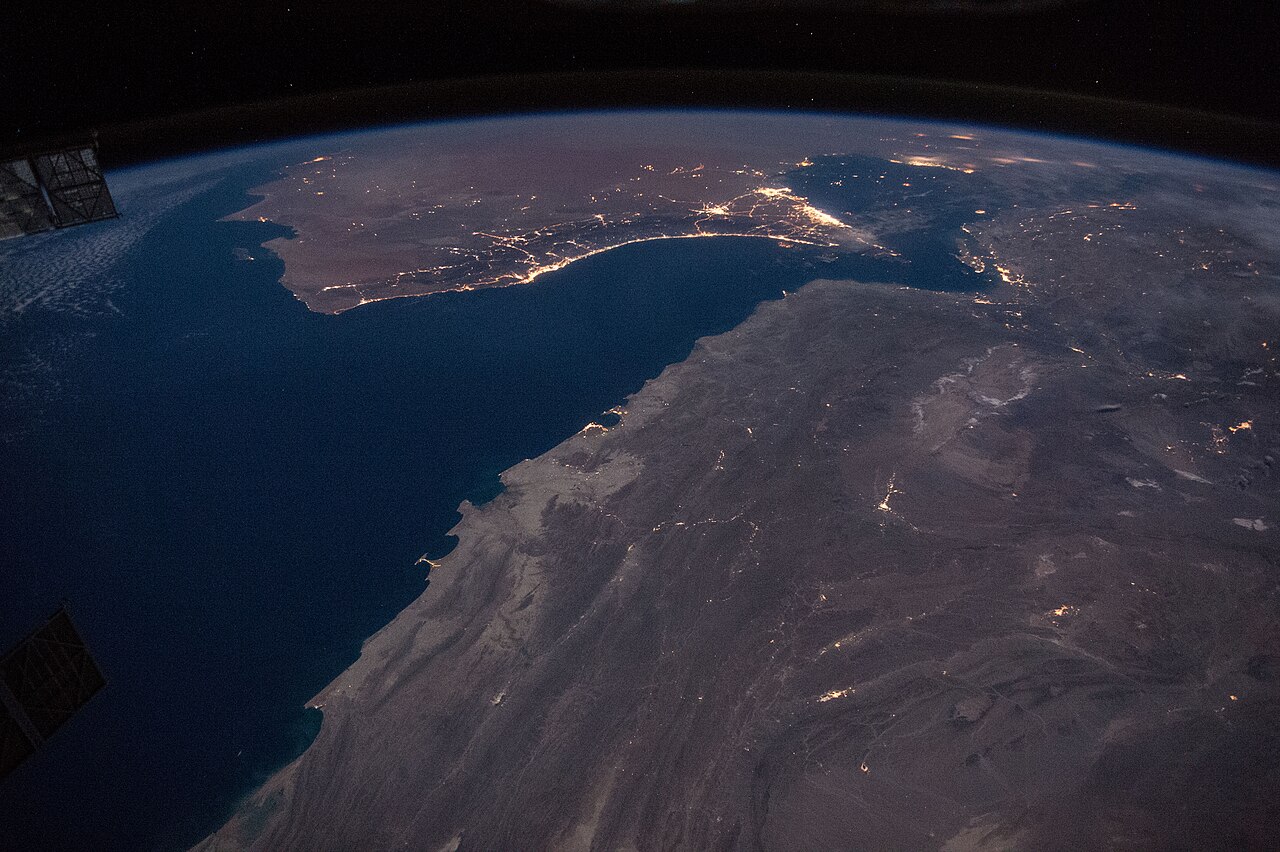
Since August, Bessent has spearheaded Operation Economic Outcast alongside a US naval blockade on Iranian ports to halt shipping attacks and reopen the Strait of Hormuz, largely disrupted since US-Israeli strikes began on February 28. Calling Iran a cornered dangerous animal in a CNBC interview, Bessent vowed not to back down, while Tehran denied plotting attacks on US soil.

Earlier, AIGOS News reported Washington sanctioned $14.7 billion in Iranian shadow-banking networks across the Middle East and Asia to choke off covert oil and petrochemical revenues. A Treasury spokesperson affirmed Bessent remains committed to enforcing the sanctions and maritime blockade regardless of threats.
How do US-Iran sanctions affect Indonesia's fuel subsidy and Rupiah?
Why it matters for Indonesia: prolonged US-Iran confrontation keeps geopolitical risk premiums embedded in energy imports and pressures the Rupiah near Rp18,203–18,223 per US dollar. Although Brent crude fell 3.46 percent to $89.37 per barrel on Monday (Nov 23) and touched $86.68 early Tuesday on Libyan supply and diplomatic signals, Finance Ministry figures through October 31 show Indonesia's energy subsidies and compensation already reached Rp415.8 trillion—93 percent of target—as average ICP oil of $94.4 far exceeds the $70 state budget benchmark.