RIYADHSaudi air defenses intercepted and destroyed a cruise missile launched by Yemen's Houthi movement toward the Riyadh region on Saturday (Nov. 28, 2026), coalition spokesperson Maj. Gen. Turki Al-Maliki announced. Authorities did not immediately report casualties or debris damage inside the Saudi capital following the interception.
How extensive were coalition strikes across Sanaa and Yemen?
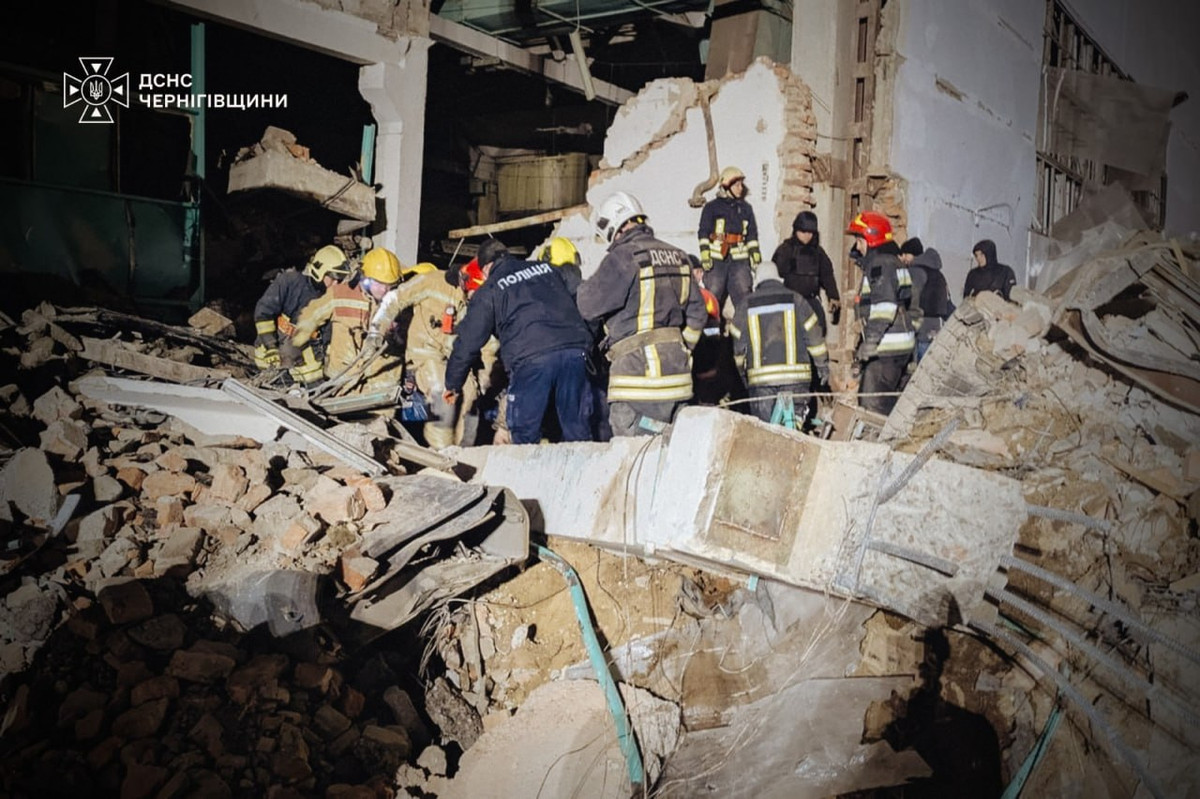
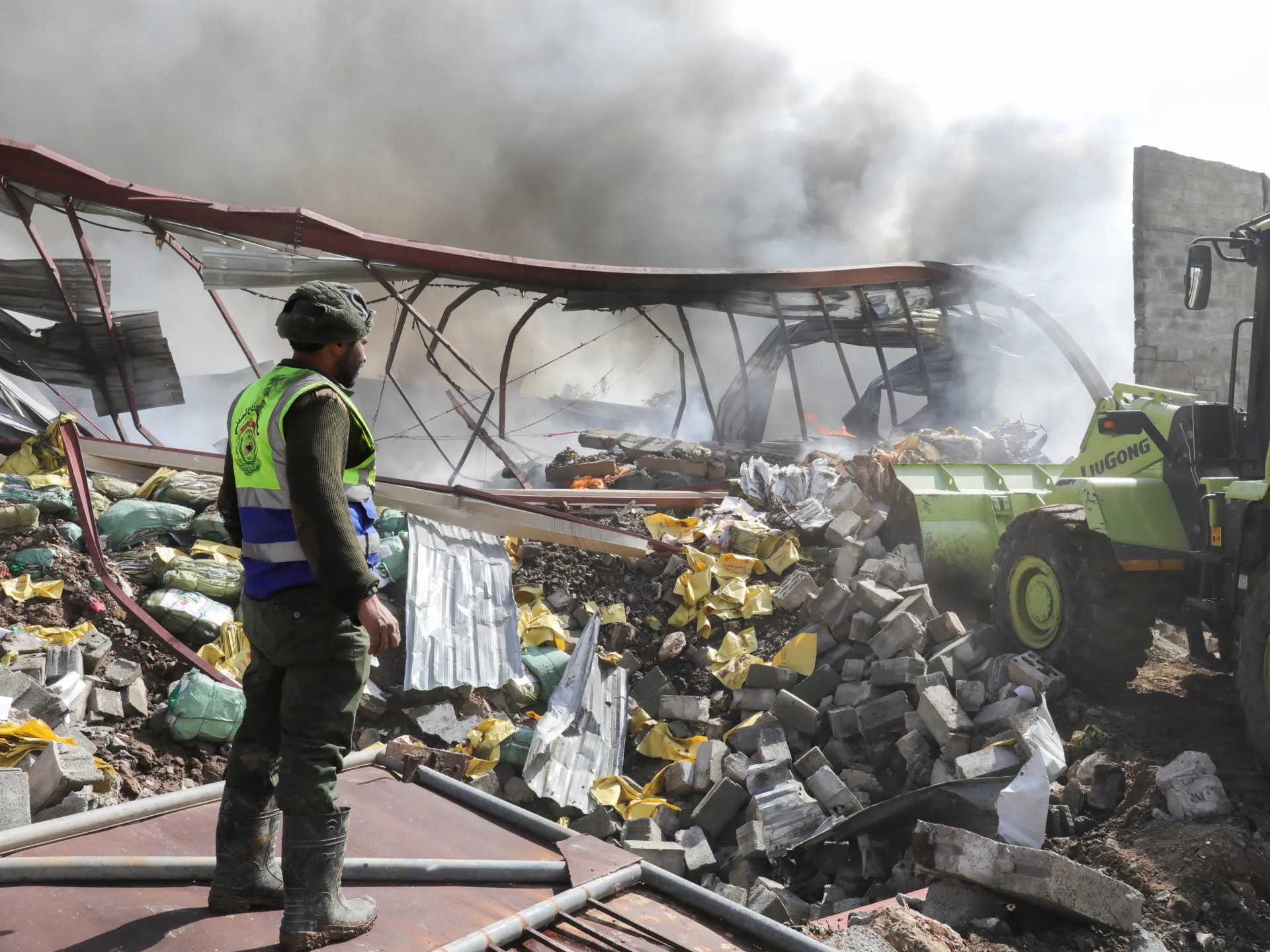
The missile launch unfolded alongside heavy overnight airstrikes by the Saudi-led coalition and ground operations by Yemen's internationally recognized government forces across more than six Houthi-held governorates. Reporting from Sanaa, Al Jazeera correspondent Yousef Mawry said a strike hit a fuel station in the Tahrir district, injuring 13 people including three in critical condition, while damaging nearby homes and shops.
A second raid in Sanaa reportedly killed a husband and wife at their residence, with additional strikes hitting a gas station in Bani Matar, targets in Taiz, and a power plant during five raids on the Red Sea port of Mocha. Houthi-affiliated outlets also claimed an airstrike killed 11 civilians, mostly children, in Taiz's Al-Turbah district, a figure that could not be independently verified.

Why did the UN warn of worsening hunger in Yemen?
Government military spokesman Col. Majed al-Nuzaili said forces mounted 726 attacks over the prior 24 hours under the Dawn of Yemen offensive, claiming at least 121 Houthi fighters and commanders were killed or wounded across Ma'rib, Al-Jawf, Taiz, Lahij, Shabwah, Midi, and Al-Dhale. Meanwhile, the UN's Food and Agriculture Organization and World Food Program warned that roughly 1.8 million people in government-held areas face emergency hunger levels between December and May.
Reporting from Riyadh, BBC News Indonesia highlighted how daily life more than 700 kilometers from the Yemeni border has shifted since an informal truce collapsed in July. A BBC review of Armed Conflict Location and Event Data Project (ACLED) records counted 274 cross-border attacks against Saudi Arabia from July 1 through November 25, with 41 penetrating air defenses.

The most lethal strike struck Riyadh International Airport on October 10, killing 13 people and injuring more than 300 others. Iran-backed Houthi forces say their expanding drone and missile campaign retaliates for Saudi airstrikes and coalition restrictions on ports and airports in northern Yemen.
What risks does the escalation pose for Indonesians in Saudi Arabia?
For Indonesia, recurring missile threats around Riyadh directly heighten consular vigilance for hundreds of thousands of Indonesian migrant workers and tens of thousands of umrah pilgrims across Saudi Arabia. Renewed air-corridor disruptions and risks to Gulf energy sites also sustain upward pressure on global crude prices, complicating Indonesia's fuel subsidy bill and aviation logistics.