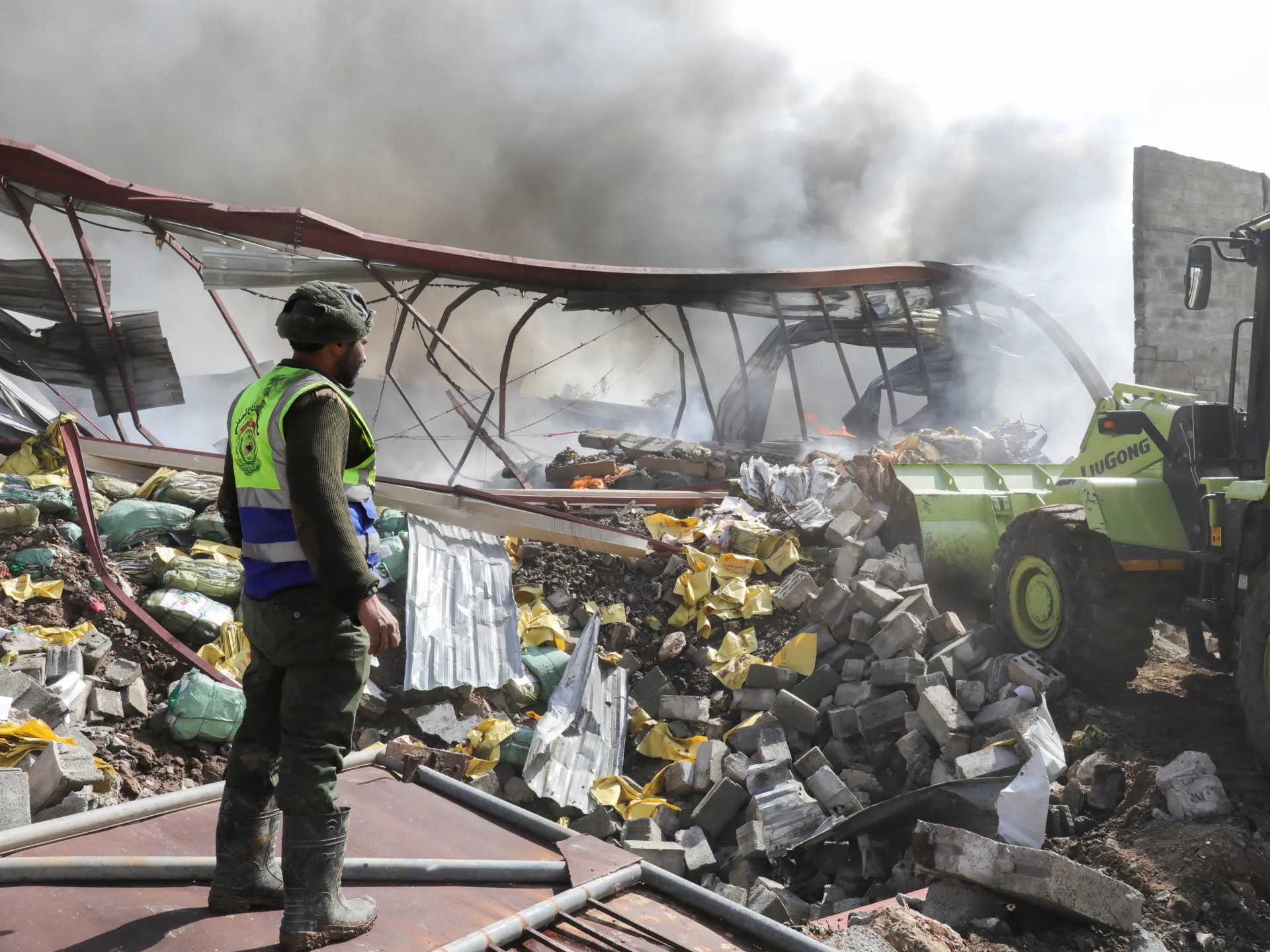
WASHINGTONUnited States Central Command (CENTCOM) sharply rejected assertions by an Iranian military commander that Iranian naval forces retook two oil tankers from sleeping US troops, struck the aircraft carrier USS Abraham Lincoln, and that Washington imposes transit tolls in the Strait of Hormuz. Writing on social media platform X, CENTCOM dismissed the account as another fabricated lie and asserted Iran no longer possesses a functional navy.
Which Iranian military claims did US Central Command deny?
CENTCOM stated that the USS Abraham Lincoln carrier strike group remained well defended throughout Operation Epic Fury, was never hit by Iranian forces, and returned safely to the United States last month after completing its deployment. The command also denied charging ships $2.5 million to pass through the Strait of Hormuz, maintaining that thousands of vessels and billions of crude oil barrels have transited freely under US and regional partner protection.
The war of words follows heightened maritime friction since the US and Israel began military operations against Iran on February 28, triggering retaliatory drone and missile strikes and severe disruptions along Gulf shipping lanes. CBS News reported Friday that US forces disabled a commercial ship that allegedly attempted to breach an American blockade of Iranian ports.
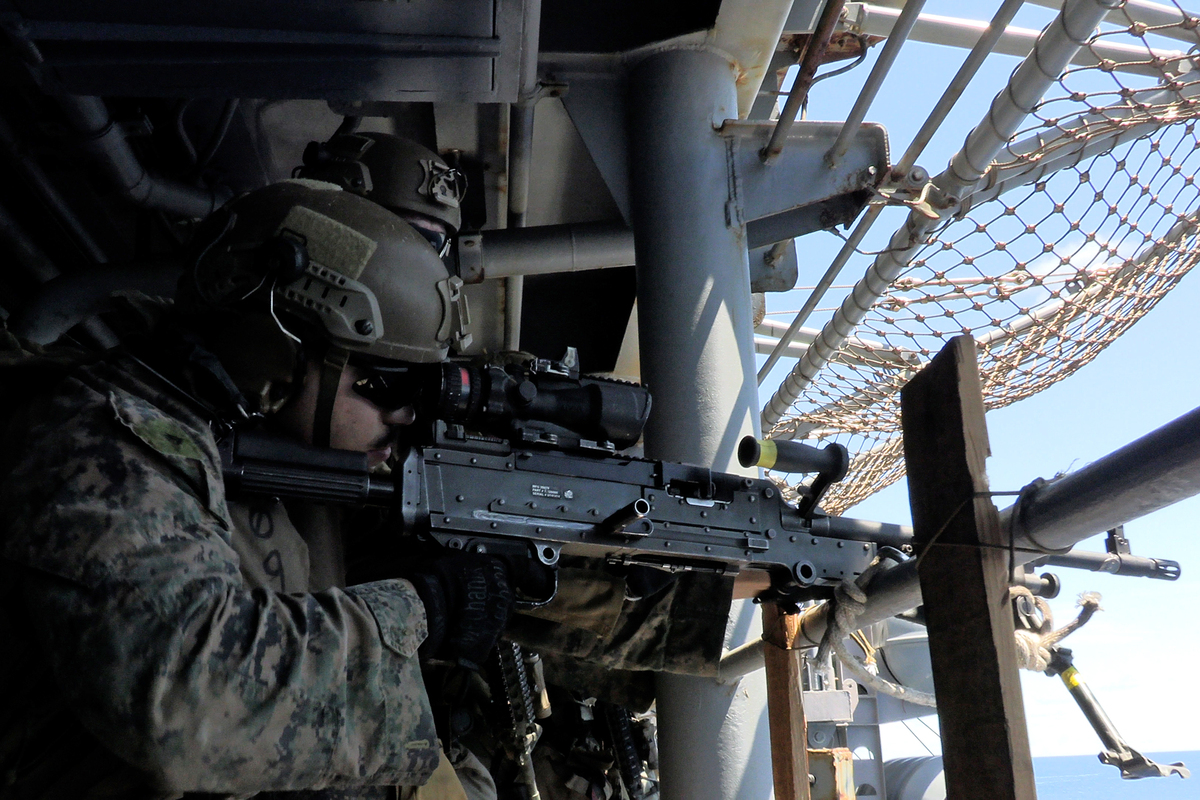
What happened to the cargo vessel boarded off Yemen?
Hours later on Saturday (Nov. 28, 2026) at 06:30 GMT, the UK Maritime Trade Operations (UKMTO) agency reported that armed unauthorized individuals boarded and seized control of a cargo ship roughly 64 nautical miles southwest of Balhaf, Yemen, at position 12°55N 048°04E. UKMTO confirmed the vessel's master reported the armed takeover and urged passing commercial traffic to exercise extreme caution.
Although no group immediately claimed responsibility for the Balhaf boarding, maritime security analysts note that shipping corridors linking the Red Sea, Gulf of Aden, and Persian Gulf remain exposed to overlapping conflict spillovers. War-risk insurance surcharges and longer rerouting schedules continue to strain container and tanker operators moving cargo between Asia and Europe.

How do Hormuz and Red Sea tensions affect Indonesia's economy?
For net energy importer Indonesia, persistent maritime insecurity in the Strait of Hormuz and off Yemen keeps energy import costs and exchange-rate pressure in sharp focus. With the Rupiah hovering near Rp18,400 per US dollar on Saturday (Nov. 28) as reported by CNN Indonesia, House Commission XI Chairman Misbakhun stressed that fiscal planners must evaluate fuel subsidies as a vital shock absorber against geopolitical turbulence alongside any OECD subsidy reform recommendations.