LONDONThe British government has imposed asset freezes and director disqualifications on eight Israeli construction, property development, and architectural firms tied to West Bank settlements, alongside activist movement Tzav 9. Announced on Tuesday (Nov. 17, 2026), the sanctions package arrives just ahead of final bidding deadlines for the contentious E1 settlement project east of Jerusalem.
According to the Foreign, Commonwealth and Development Office (FCDO), the designated companies are Har Hevron Development Company Ltd, Hemdat Shomron Ltd, S.A.G. (Velvel) Construction and Development Ltd, Lev HaHar Yazamut Ltd, Harey Zahav, Ariel Residential Judea & Samaria Ltd, Ami Gvirtzman Architects 2021 Ltd, and Z.F. Building Company Ltd. The measures sever UK financial ties with firms involved in planning, building, supplying, or marketing settlement housing and public infrastructure.
Why is Britain targeting the E1 settlement tender now?
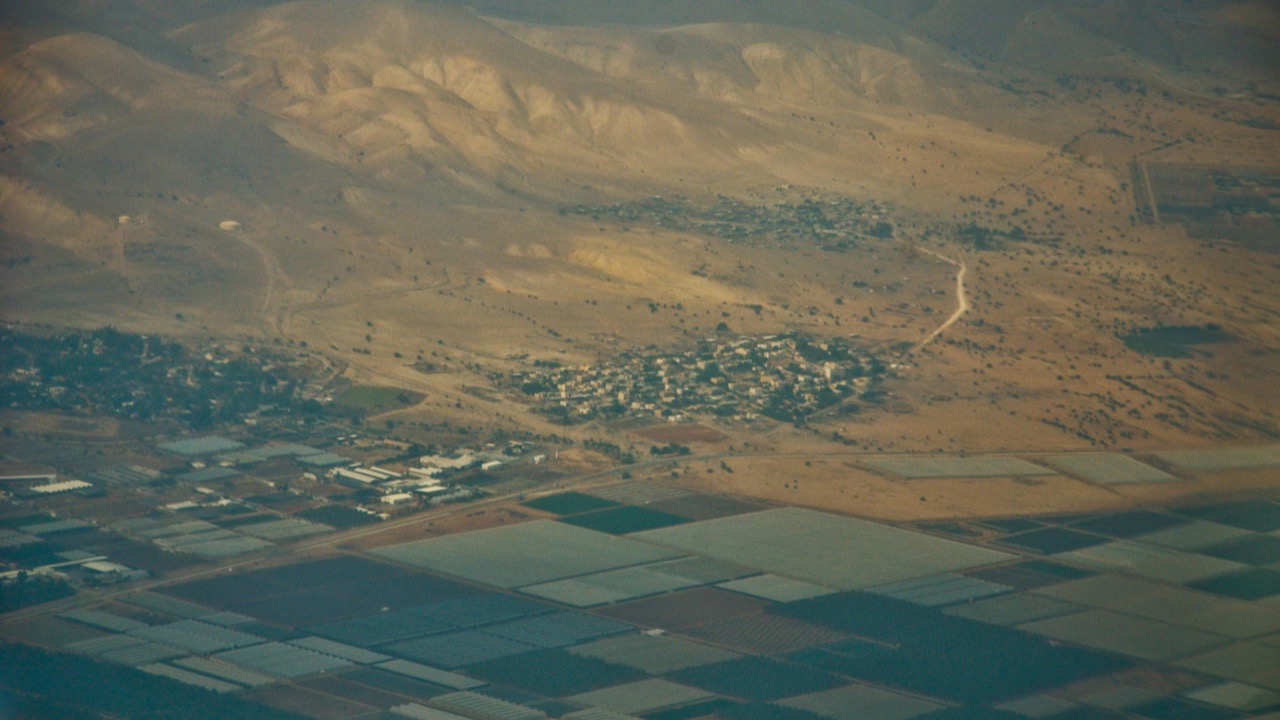
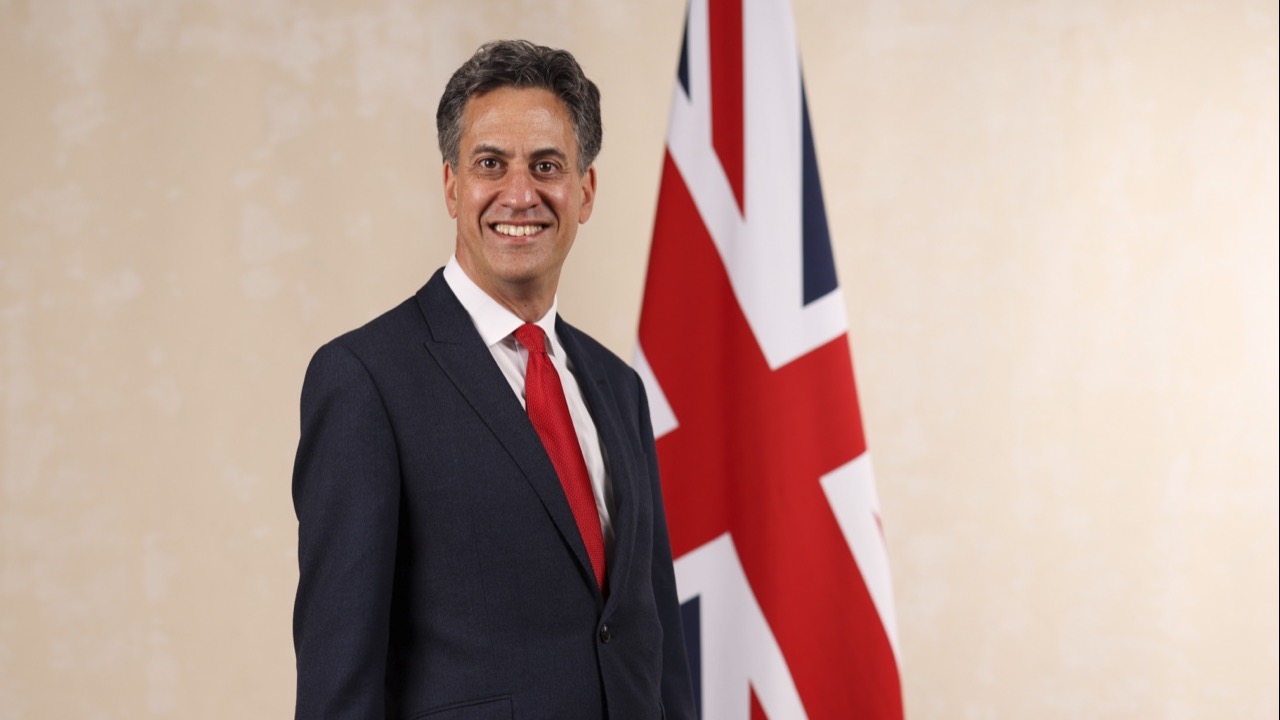
London prioritized the E1 project because construction across the corridor would cut through the central West Bank and risk severing it from East Jerusalem, threatening the territorial contiguity of a future Palestinian state. UK Foreign Secretary Ed Miliband warned firms directly not to bid, build, or profit from undermining a two-state solution, which he described as the core principle of Britain's diplomatic approach.
The sanctions also target Tzav 9, an Israeli activist group accused of organizing blockades against humanitarian convoys heading into Gaza as recently as October. Citing United Nations figures, Britain noted that over 150,000 tents and 300,000 tarpaulins remain stalled outside Gaza while winter flooding has displaced nearly 4,000 additional households among 1.4 million Palestinians living in makeshift shelters.

How did Israel respond to the UK sanctions package?
Israel sharply condemned the designations as a hostile move aimed at private companies it described as operating within Israeli law. In a statement posted on X, Israeli Foreign Minister Gideon Sa'ar said the government was weighing a range of retaliatory measures while exploring new ways to bolster Jewish settlements in the occupied West Bank.
British officials executed the designations under an expanded Global Human Rights and International Humanitarian Law sanctions framework laid before Parliament on October 13, delivering on Miliband's September 8 pledge. The FCDO stated that more West Bank settlements were approved over the past four years than in the previous two decades combined, adding that separate legislation banning settlement imports and UK property advertising is under development.
Diplomatic and compliance stakes for global partners
Following Britain's November 12 release of £5 million (around Rp120 billion) to UNICEF and a joint call by more than 50 nations at the UN to lift Gaza aid curbs, the corporate penalties signal growing legal scrutiny of private supply chains in occupied territory. For Indonesia and other nations backing Palestinian statehood and Gaza relief, London's targeting of commercial developers underscores rising compliance risks for international businesses.