TEHRANIranian state broadcasters IRIB and Press TV on Monday, November 23, 2026, unveiled a liquid-fuel launcher claimed to fire two missiles simultaneously from an underground bunker complex as maritime threats intensified in the Strait of Hormuz. On the same day, the Joint Maritime Information Centre (JMIC) confirmed seven oil tankers have been struck in or near the waterway and off Oman's coast since November 16.
What did Iran's military claim and what do analysts say?
Footage showed Islamic Revolutionary Guard Corps (IRGC) commander Ahmad Vahidi and IRGC aerospace chief Seyed Majid Mousavi touring a multi-kilometer subterranean missile facility allegedly storing hundreds of longer-range, non-GPS-guided weapons. No independent assessment has verified the system's range or accuracy, and military analyst Eva Renon told The Telegraph that liquid-fuel missiles still require hours of preparation and do not transform overall capability.
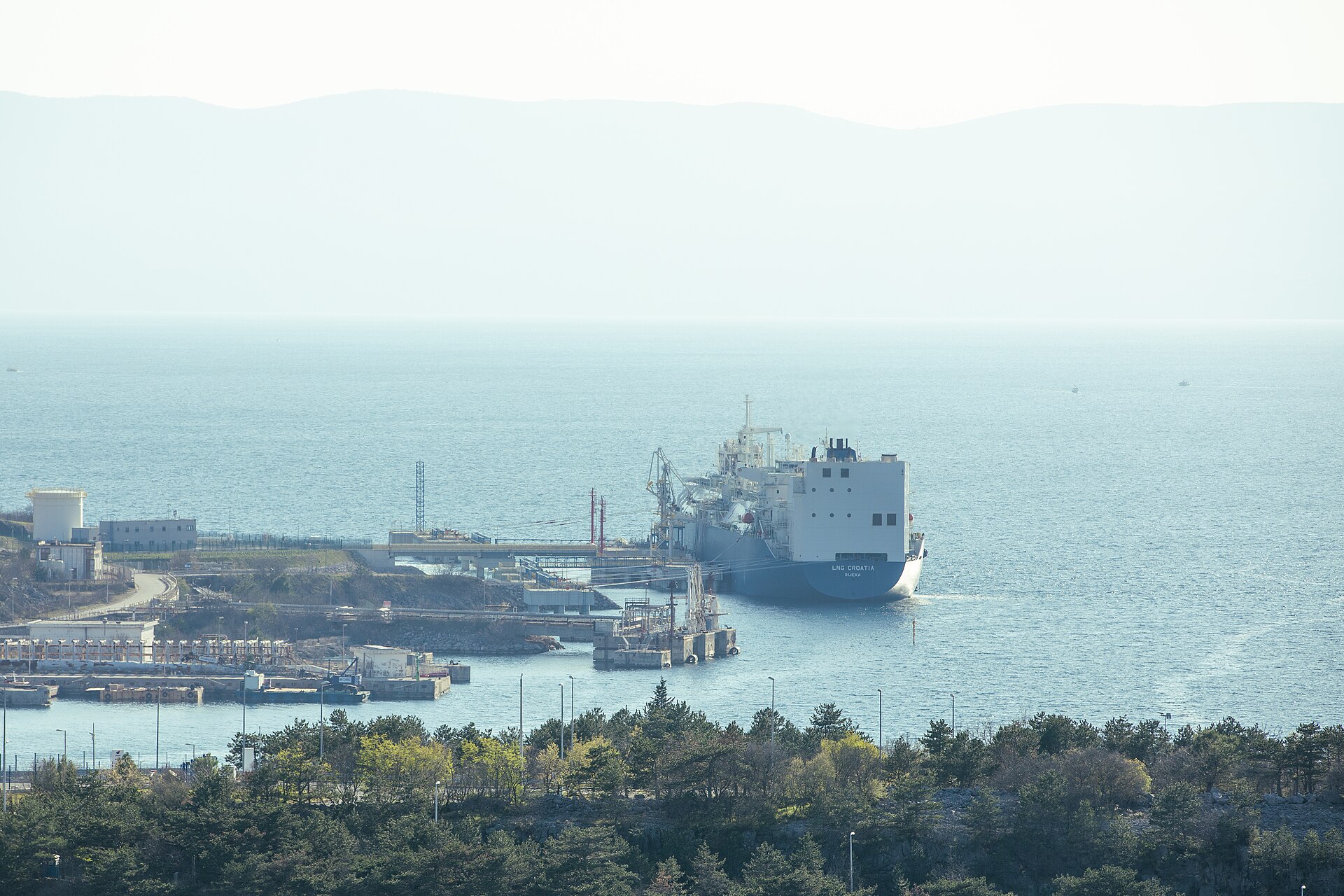
At sea, Iran's navy claimed via state media that three oil tankers struck naval mines in the Strait of Hormuz on Monday, triggering explosions and large fires, though JMIC stated the mine claim remains unconfirmed. JMIC previously logged three outbound vessels hit between 8 and 17 nautical miles from Khasab, Oman, on November 20 and 21, while the UAE and Oman continue searching for a missing Jordanian sailor.
Where do Washington, Tehran, and Gulf mediators stand?
Military posturing continues amid stalled negotiations after US President Donald Trump told Fox News on Sunday, November 22, that he leans toward launching fresh strikes on Iran after New Year 2027 if talks fail. Iranian Foreign Minister Abbas Araghchi countered Monday that a land blockade is impossible and vowed to resist US sanctions, on the same day US Secretary of State Marco Rubio met Qatar's prime minister in Washington for Gulf talks.

Regional spillover also persisted as Bahrain reported an Iranian strike caused fire damage at a civilian industrial facility, while the Saudi-led coalition reported intercepting a ballistic missile aimed at the Red Sea coast. Unverified Houthi statements also claimed an attack on Saudi Arabia's Rabigh refinery and casualties in Hodeida, with Riyadh offering no official comment.
Why Hormuz risks raise Indonesia's fuel and rupiah strain
For net oil importer Indonesia, sustained shipping hazards in the Strait of Hormuz and Gulf flight disruptions on Saudi routes are keeping Brent crude elevated above $91 to $92 per barrel. Persistent crude prices near that threshold directly strain Indonesia's state-budget fuel subsidies, raise maritime shipping expenses, and place renewed pressure on the Rupiah.