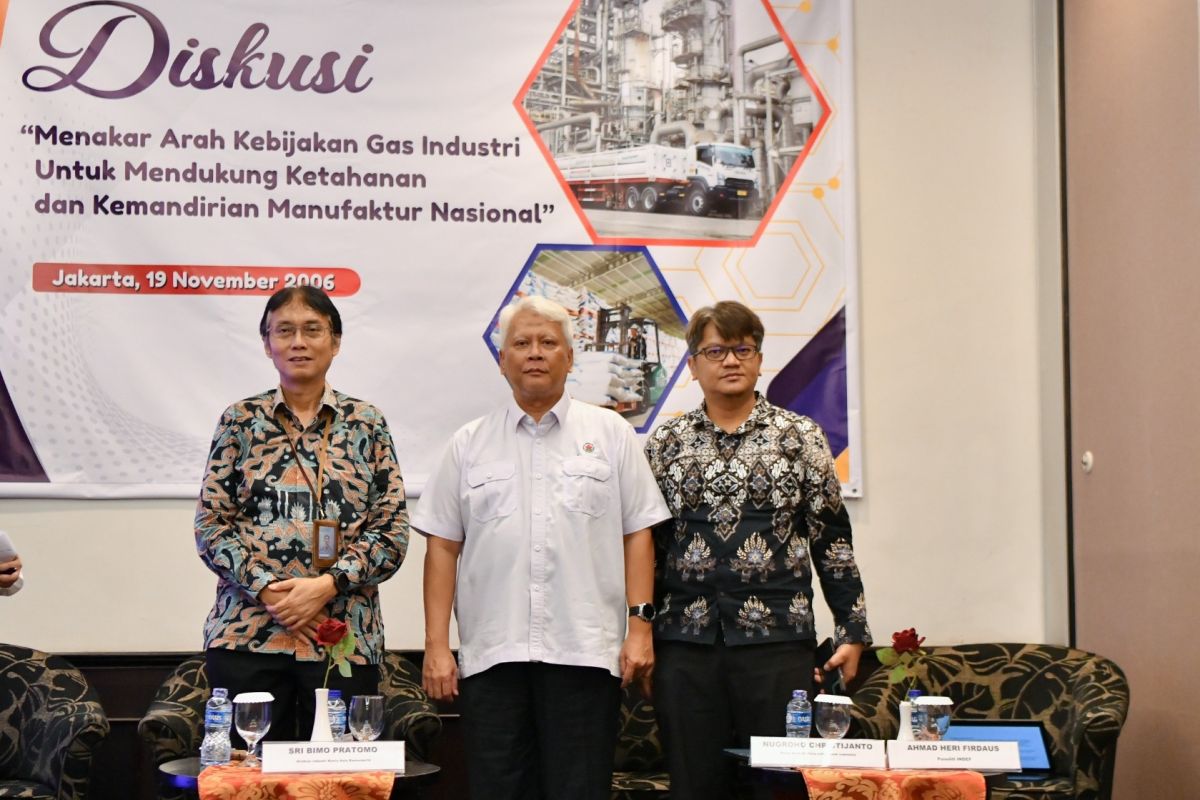
JAKARTAThe Indonesian Fertilizer Producers Association (APPI) has warned that even a single day of natural gas disruption could severely stall fertilizer manufacturing and jeopardize national food security. Speaking at an Industrial Journalists Forum (Forwin) discussion in Jakarta on Thursday, November 19, 2026, APPI Chairman Nugroho Christijanto stressed that Indonesia's specific industrial gas price policy (HGBT) of US$6.50 to US$6.90 per MMBTU is ineffective without guaranteed volume delivery to factory gates.
Why are Aceh and East Java fertilizer plants facing gas bottlenecks?
Christijanto revealed that several domestic fertilizer plants, including production complexes in Aceh and East Java, are already experiencing gas deliveries below their designated allocations. Because natural gas serves as the irreplaceable primary feedstock for ammonia used in nitrogen and urea fertilizers, operating below minimum technical gas thresholds drives up energy intensity and erodes plant efficiency.
He noted that if an ammonia plant shuts down for just 24 hours due to gas supply interruptions, restarting normal chemical operations requires an extended recovery period. APPI members currently maintain nearly 14 million tons of annual installed capacity—comprising roughly 7.5 million tons of urea and 5.5 million tons of NPK—and carry the mandate to supply 9.5 million tons of subsidized fertilizer to Indonesian farmers.
What five gas governance reforms is APPI demanding in the Migas Bill?
To prevent supply bottlenecks, APPI urged lawmakers drafting the Oil and Gas Bill (RUU Migas) to link Domestic Market Obligation (DMO) quotas directly with pipeline networks, liquefaction plants, regasification terminals, and the national gas balance. Christijanto outlined five essential pillars for industrial gas governance: clear allocation, competitive pricing, transport infrastructure, accessible delivery, and regulatory certainty.
How is Pertamina optimizing BBM and LPG distribution for 2027?
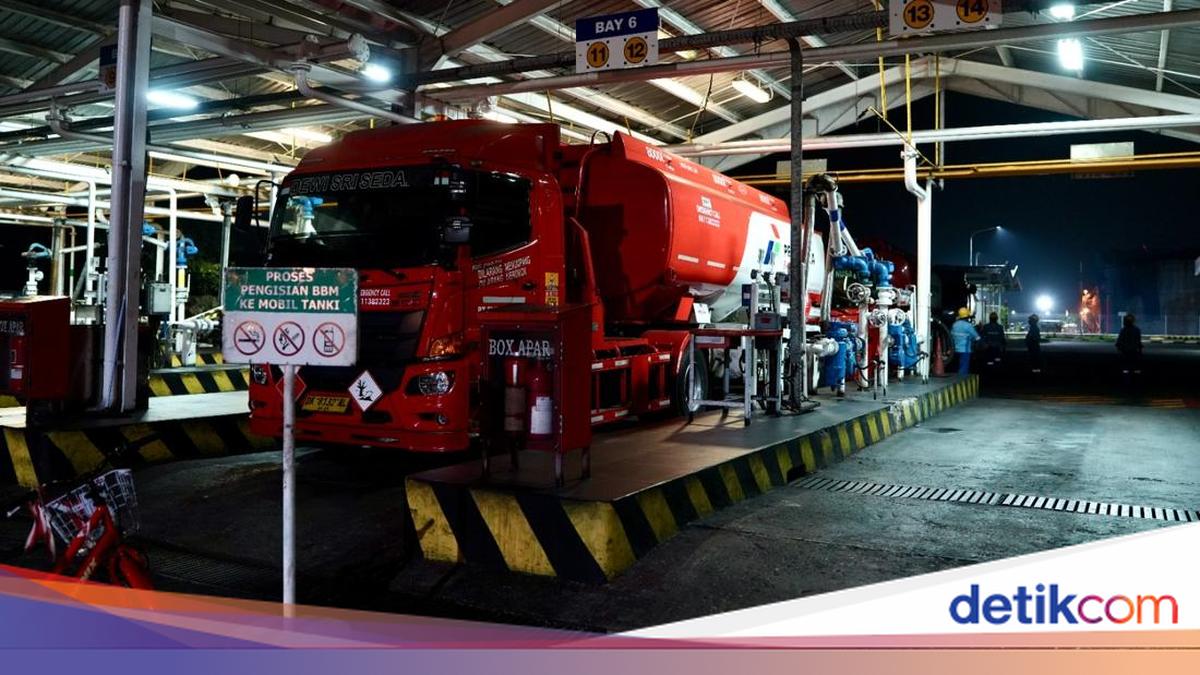
Alongside industrial gas reforms, state energy company PT Pertamina (Persero) and its commercial arm Pertamina Patra Niaga are accelerating fuel (BBM) and LPG distribution efficiency following instructions issued by President Prabowo Subianto during a macroeconomic cabinet meeting at Bogor Palace on Friday, November 13. Pertamina Vice President of Corporate Communication Muhammad Baron said on Thursday, November 19, that logistics optimization prioritizes archipelago routes and major tourism hubs.

Beyond promoting prudent domestic energy consumption amid global geopolitical volatility, Pertamina is expanding upstream output and preparing its 2027 Bring Barrel Home overseas acquisition program. Why it matters for Indonesia: securing uninterrupted gas feedstock for 9.5 million tons of subsidized fertilizer while streamlining Pertamina's BBM and LPG distribution directly protects farm input costs, household inflation, and state energy subsidy budgets.